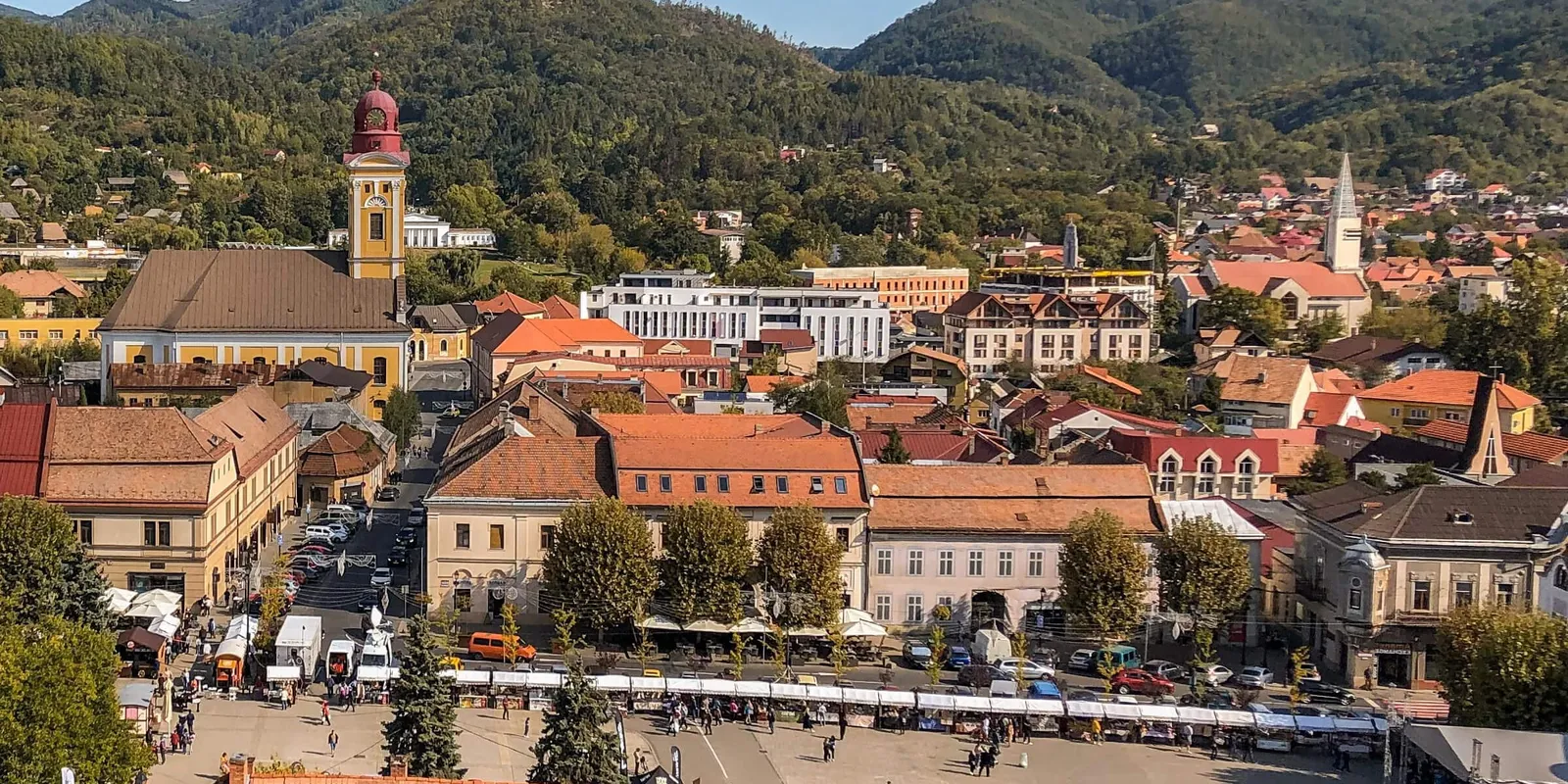

Baia Mare: Art Nouveau architecture in mining Transylvania
A former mining center for gold and silver in northern Transylvania, Baia Mare preserves an Art Nouveau historic center at the foot of the Carpathians.
The center, with its Art Nouveau architecture in mining Transylvania's heart, is comfortably explored on foot.
The Tower of Stephen, a Gothic bell tower from the fifteenth century, remains the tallest historic monument of the old mining city.
A few steps away, Liberty Square, surrounded by colorful houses in Baroque and Art Nouveau style, remains the architectural heart of the historic center.
Heading inland one can reach the village of Săpânța, famous for its Funny Cemetery with brightly painted tombstones.
As evening falls, local museums recount the mining history of the region, active in extracting gold and silver since Roman times.
The Cheerful Cemetery of Săpânța, with over eight hundred painted wooden crosses created by a single local artisan, tells the story of the deceased's life through humor rather than limiting itself to celebrating death, a unique approach in European funerary tradition.
Baia Mare was an important center for gold and silver extraction since Roman times, an activity that continued uninterrupted until the closure of the last mines in the early Two Thousands, leaving behind visible industrial heritage.
Related articles

You might also like...
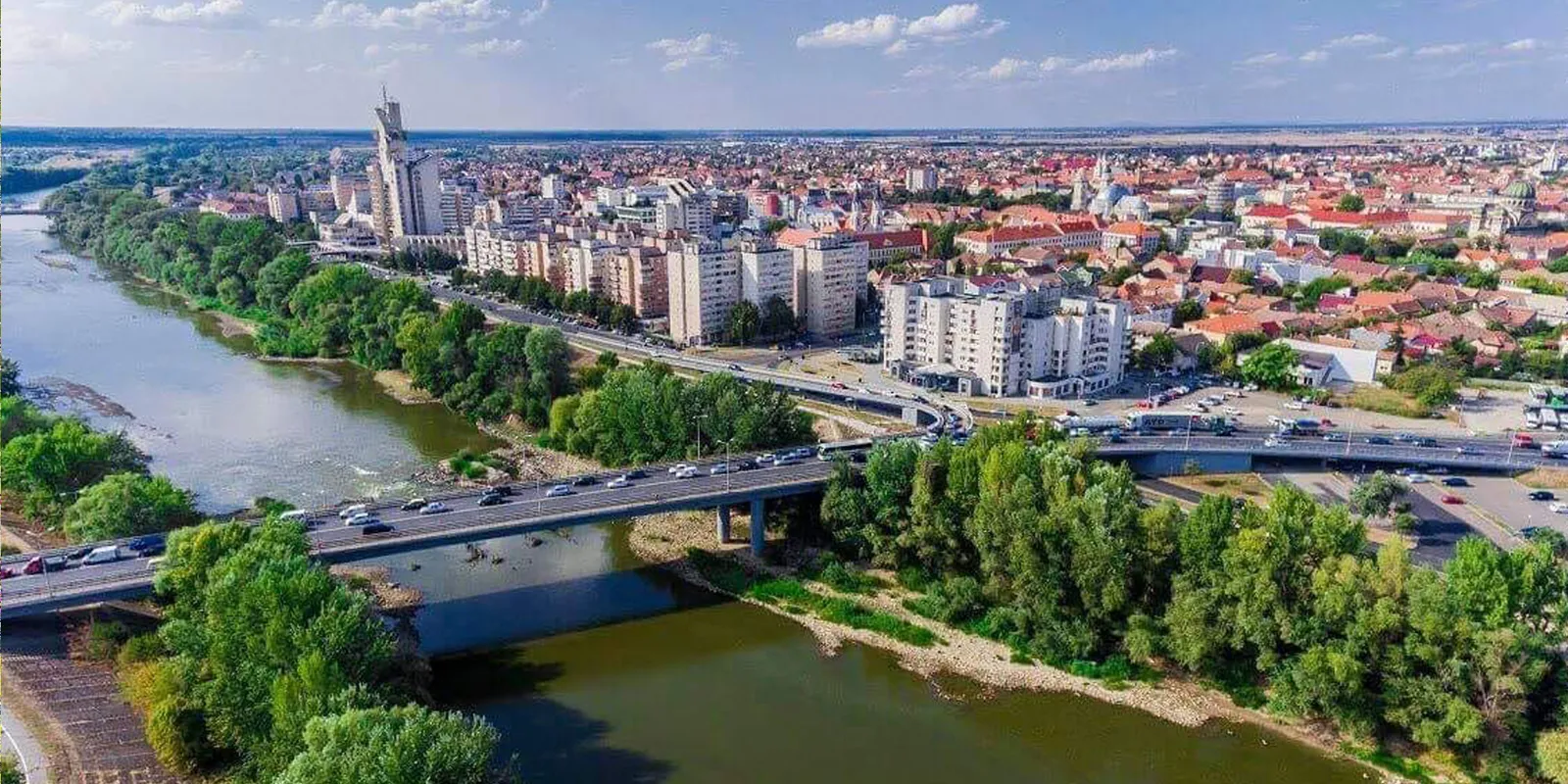
Satu Mare: where three cultures meet at the border
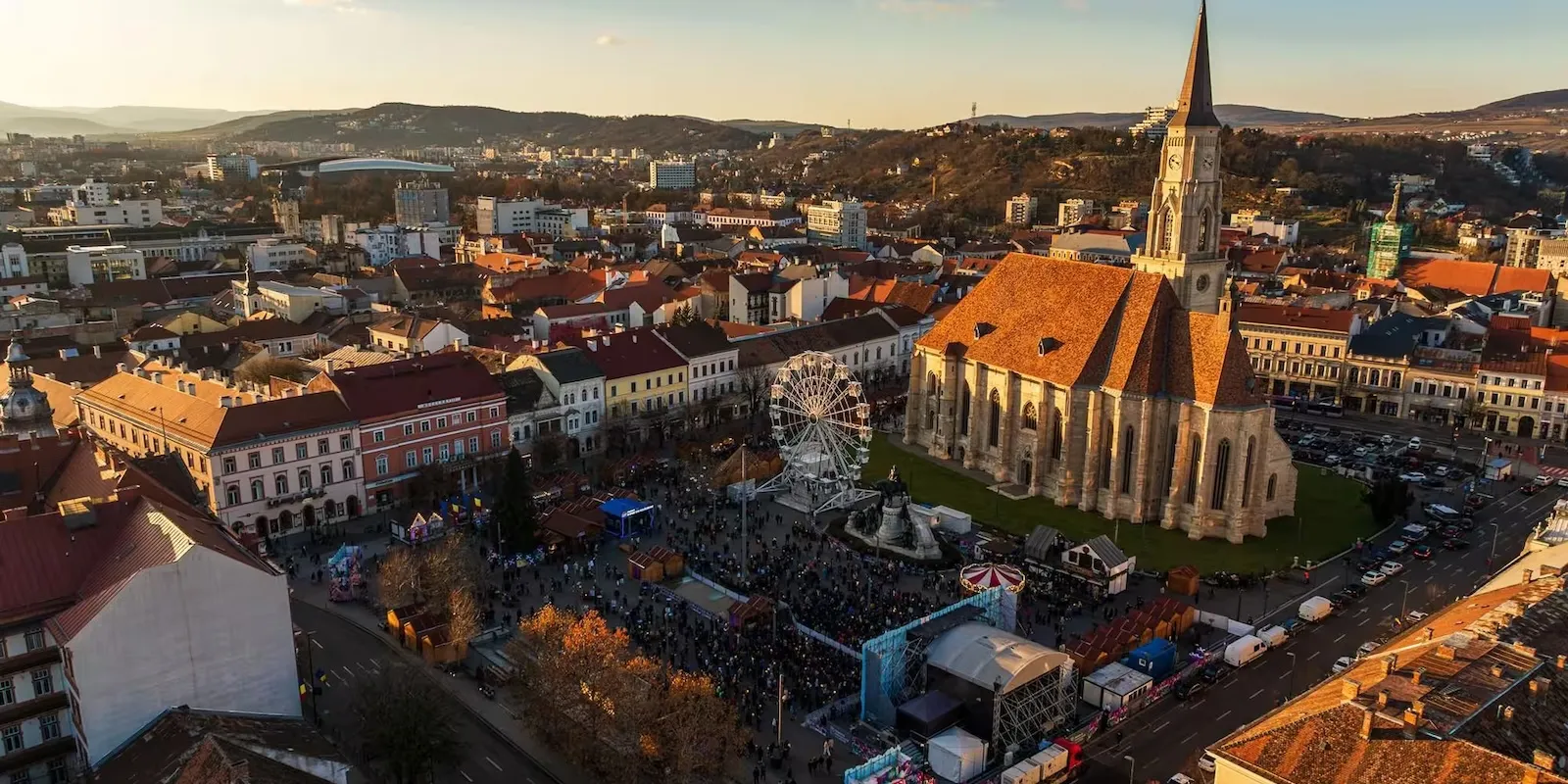
Cluj-Napoca: the cultural capital of Transylvania

Jose Maria Córdova International Airport: where to stay, areas and recommended hotels

SkyWest Airlines: How to Recognize the Largest Regional Carrier in North America

Joplin Regional Airport: where to stay, areas and recommended hotels