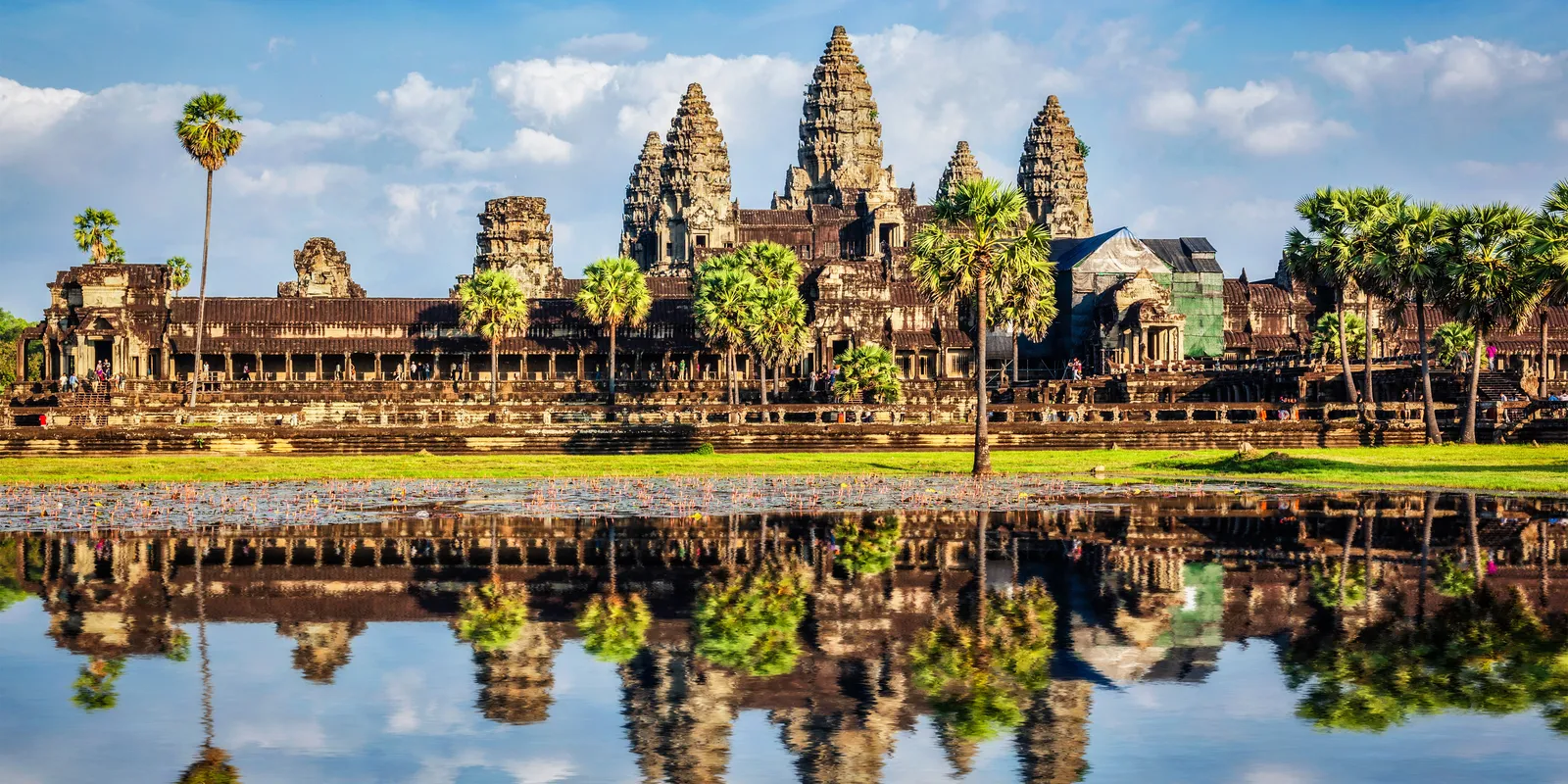

Siem Reap: the gateway to Angkor
From rice paddy village to tourist hub: Siem Reap lives almost entirely in function of the temples of Angkor, the world's largest religious complex, just kilometers away from the center.
The temples are far from each other: a tuk-tuk or car with driver is the most common solution.
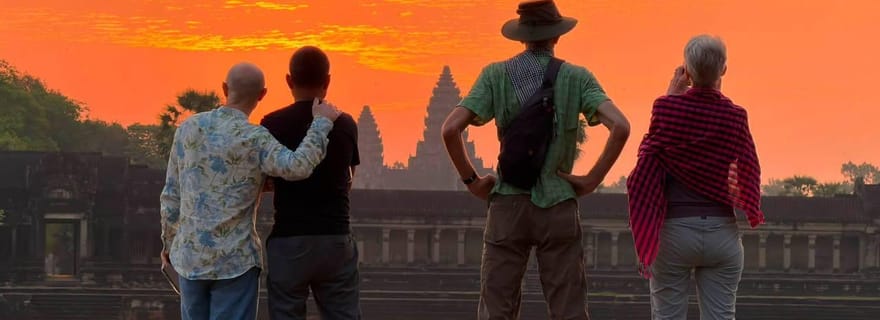
Every morning the sun rises behind the towers of Angkor Wat, built in the twelfth century by King Suryavarman II as a Hindu temple and later becoming Buddhist: it remains the world's largest religious monument by extent.
Continuing northward, one enters the fortified city of Angkor Thom, where the temple of the Bayon displays over two hundred stone faces carved on dozens of towers.
In the afternoon, at Ta Prohm, the roots of enormous strangler fig trees literally wrap around the ruins left deliberately unrestored, made famous by the 'Tomb Raider' film.
Returning to the city in the evening, Pub Street, the heart of Siem Reap's nightlife, offers a stark contrast to the silence of the temples visited just hours before.
The faces of Bayon shift expression depending on the light and time of day: some visitors find them serene in the morning and almost unsettling in the warm light of late afternoon.
The archaeology team deliberately left the roots of Ta Prohm intertwined with the stones, rather than removing them as in neighboring temples, specifically to show what the entire Angkor area had become before twentieth-century restoration.
Guided tours and experiences in Siem Reap

Related articles


You might also like...
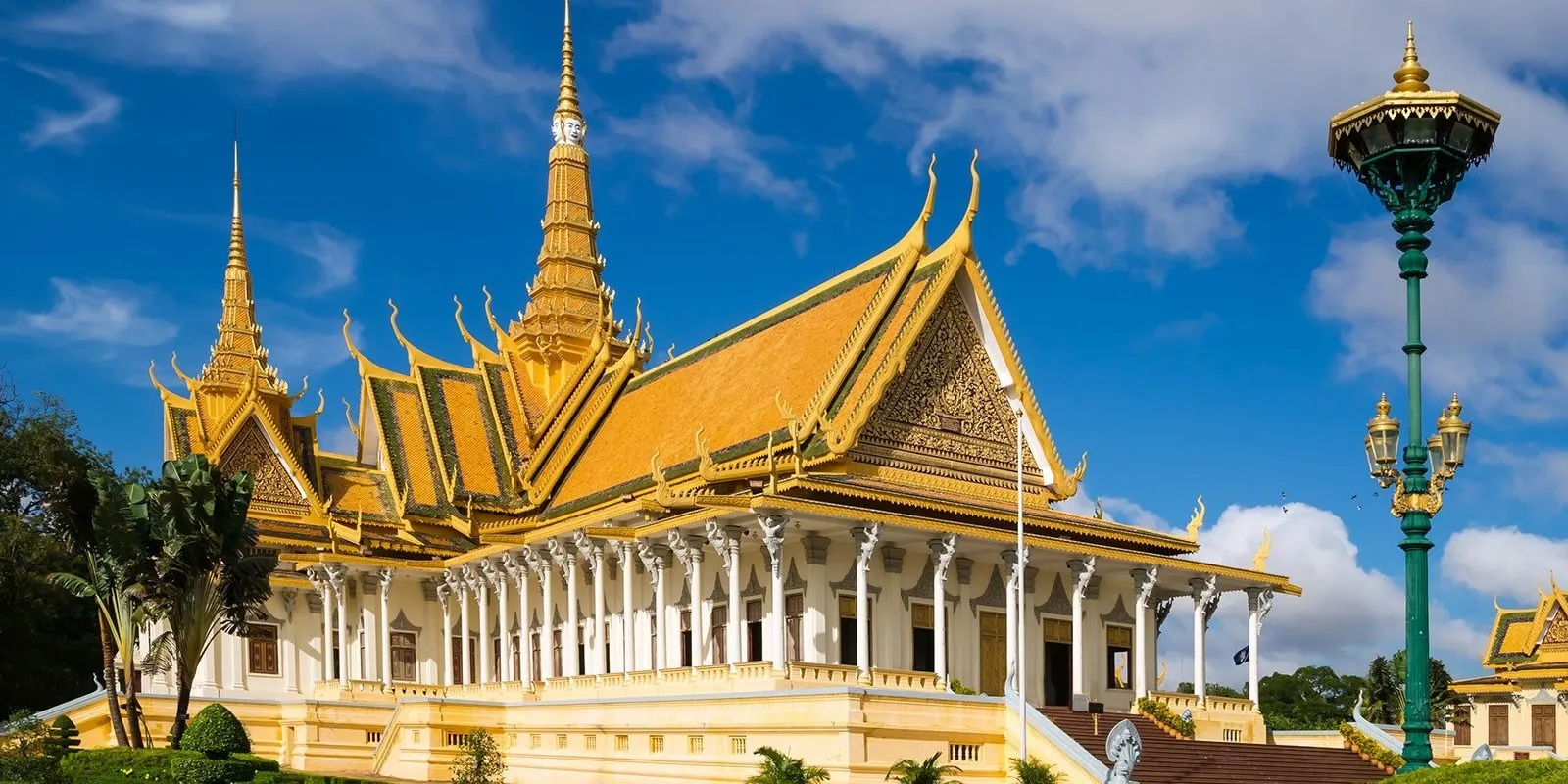
Phnom Penh in a Day: Palaces and Memory
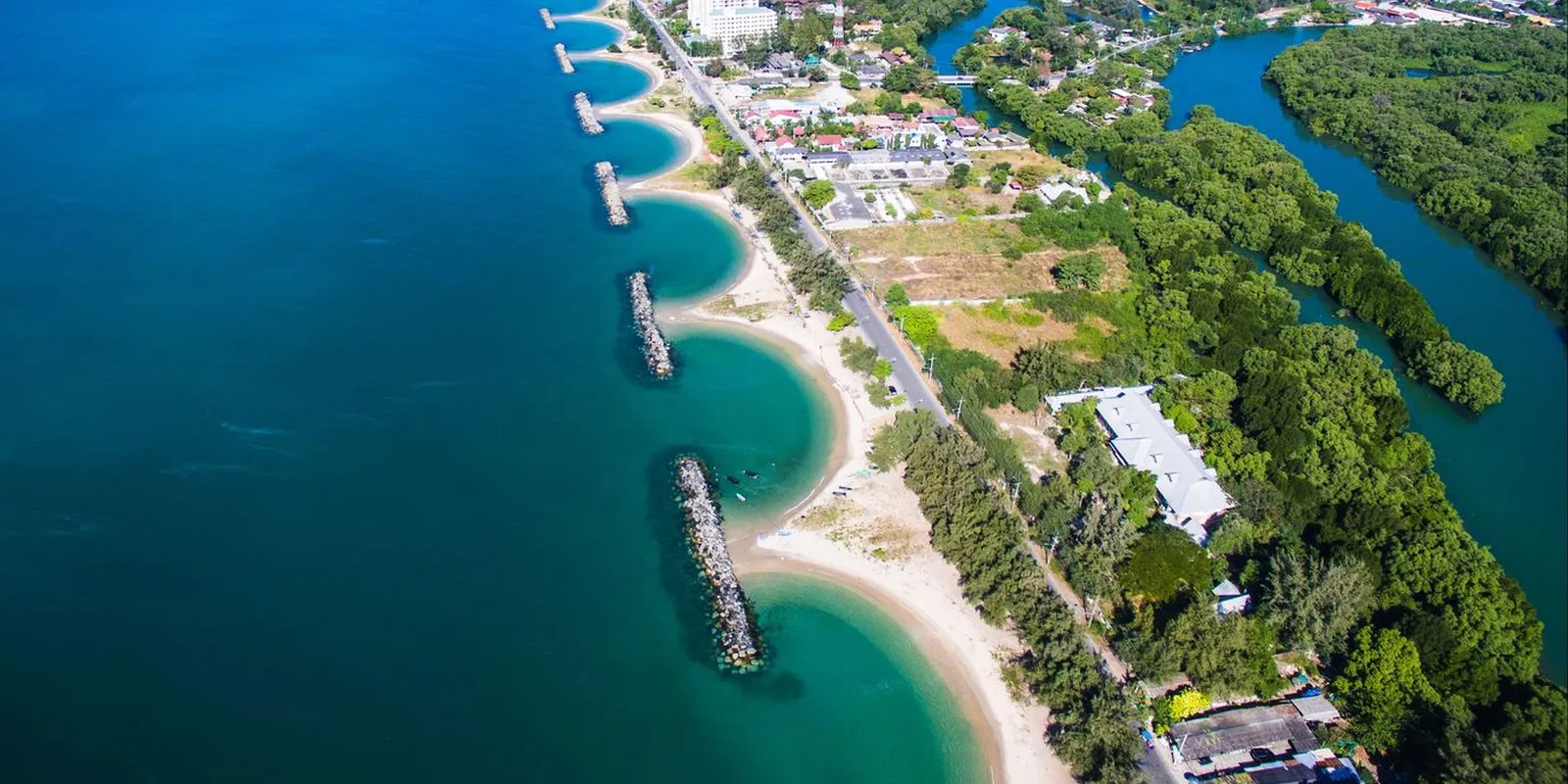
Rayong: the gateway to Ko Samet island

Baggage insurance: how to get the maximum refund

Libyan Airlines: Routes, Fleet and the Situation of Flights From Libya

Brisbane International Airport: where to stay, areas and recommended hotels