Phnom Penh in a Day: Palaces and Memory
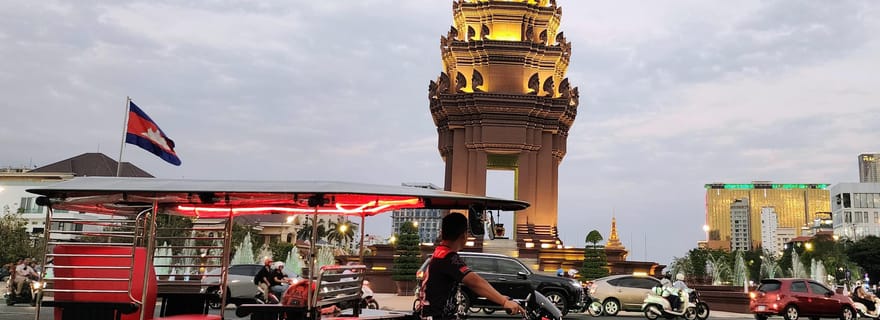
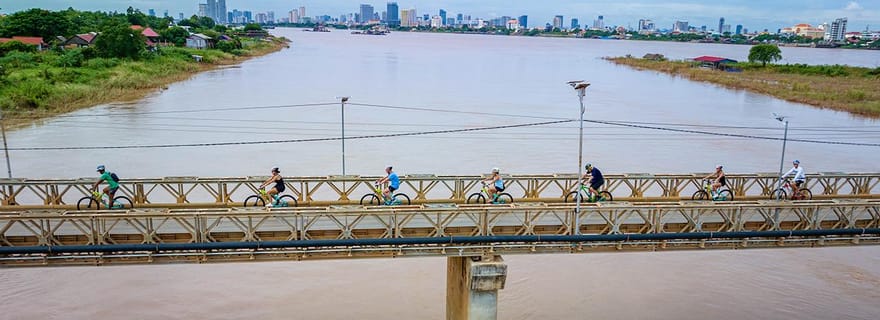
At the confluence of the Mekong, Tonle Sap, and Bassac rivers—the "four faces" from which the city takes its Khmer nickname of Chaktomuk—Phnom Penh unites French colonial avenues, golden temples, and a recent past marked by the Pol Pot regime years.
A day here necessarily alternates between the grandeur of the palace and vibrant present neighborhoods with the memory of that period, without one excluding the other.
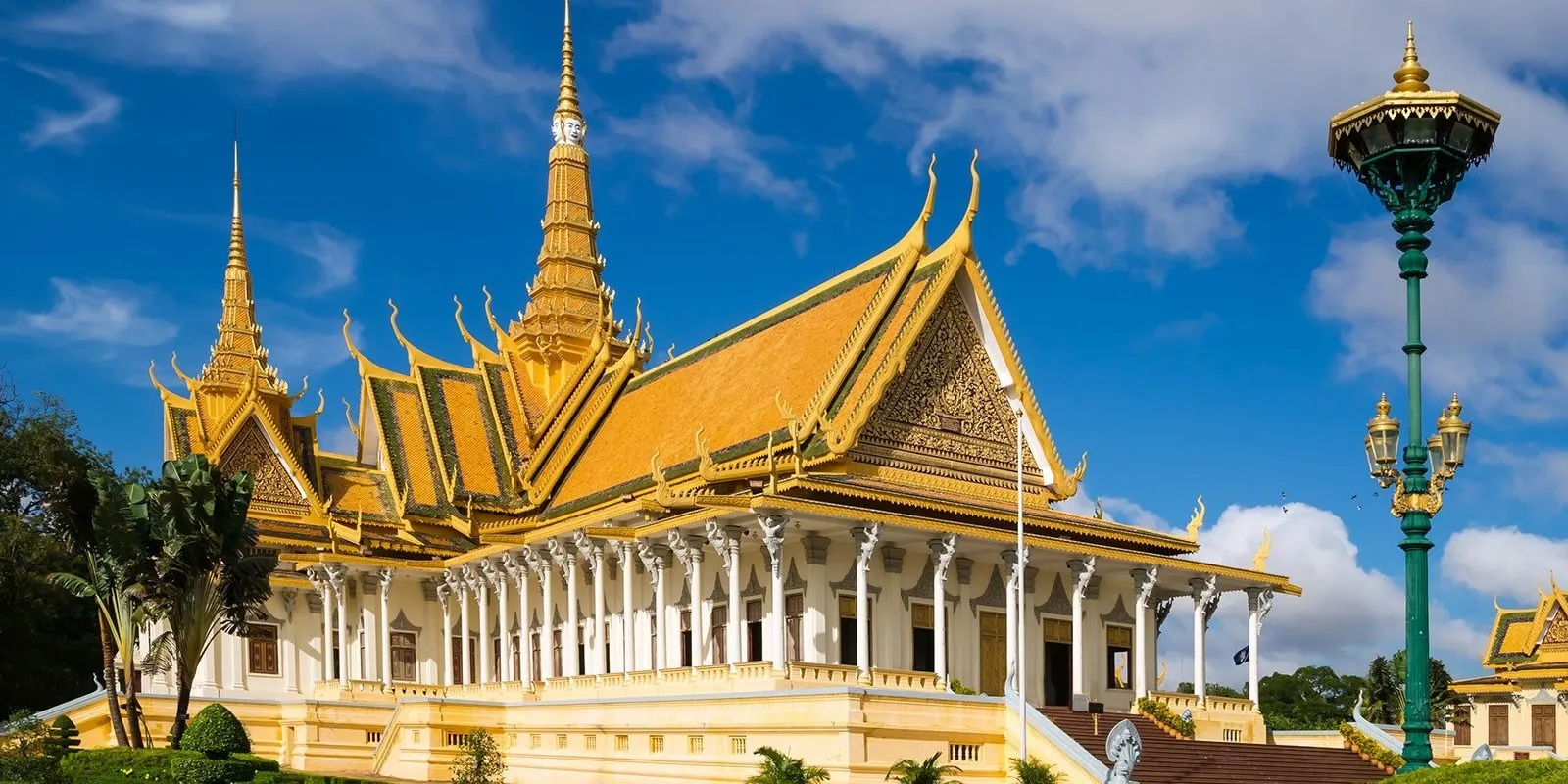
The Royal Palace and the attached Silver Pagoda, with a floor composed of over 5,000 massive silver tiles, remain the city's calling card: covered shoulders and knees are required, and the visit is limited to pavilions open to the public.
Just further north, Wat Phnom rises on the city's only artificial hill: according to legend it was here that the lady Penh, in the 14th century, had a temple built to house some Buddha statues found in the river, giving the name to the future capital.
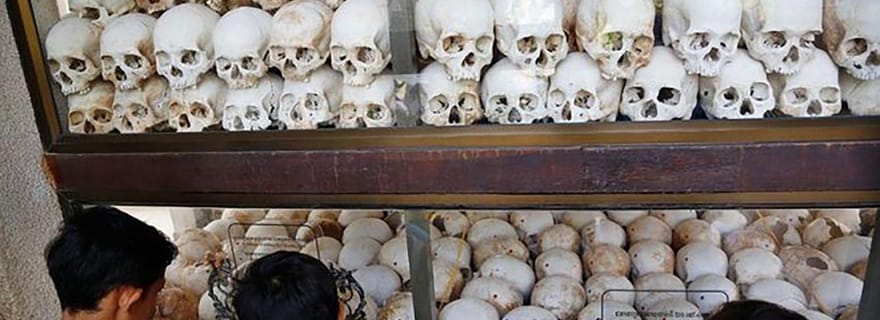
The Tuol Sleng Genocide Museum, a former school transformed by the Khmer Rouge into the S-21 prison, is almost always a stop on the day's itinerary: not just a place of memory, but an exhibition path that rigorously reconstructs those years and the justice process that followed.
The Central Market (Phsar Thmei), with its ochre art deco dome built in the 1930s, closes the round among gold stalls, clothing and local street food.
At sunset, the Sisowath Quay riverfront fills with families strolling, street vendors, and groups doing aerobics to the beat of music, with the Tonle Sap turning orange behind the Royal Palace.
It is a moment when the river geography of the city, rather than its history, becomes the day's protagonist — a reversal worth noting every time in Phnom Penh.
Guided tours and experiences in Phnom Penh

Related articles

You might also like...
Sihanoukville: Cambodia's changing beach town
Ho Chi Minh City: war, markets and rooftop cafés

How to behave at the airport from departure to boarding

Paderborn Lippstadt Airport: where to stay, areas and recommended hotels

Ürümqi Diwopu International Airport: where to stay, areas and recommended hotels