

St. John's: the colourful houses of Jellybean Row
North America's oldest English-founded city, St. John's marked the history of global communications when the world's first transatlantic radio signal arrived here in 1901.
The center is explored on foot; for Cape Spear a car is needed.
The colorful houses known as Jellybean Row dot the historic center: local tradition holds that the colors helped fishermen recognize their own homes even in the fog.
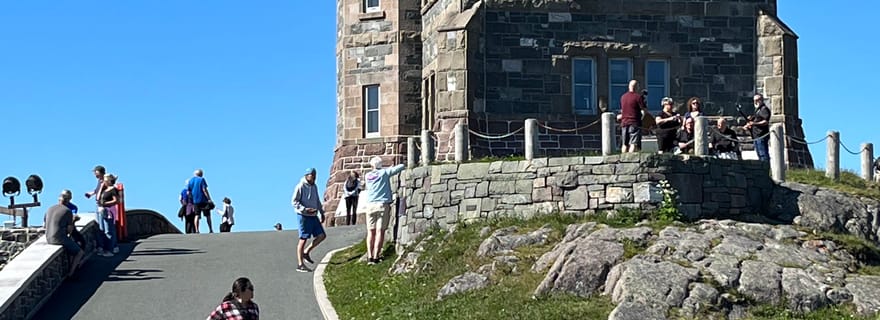
Climbing toward the harbor, you reach Signal Hill, where in December 1901 Guglielmo Marconi received the first transatlantic radio signal in history.
Continuing along the coast, you arrive at Cape Spear, the most easterly point of the North American continent, with a lighthouse active since 1836.
Toward evening, George Street, according to local tradition the avenue with the highest bar-per-square-meter density in North America, comes alive with live music.
The signal received by Marconi at Signal Hill, a few letters in Morse code transmitted from English Cornwall, proved for the first time that radio waves could cross the ocean, paving the way for modern global communications.
At Cape Spear, being the easternmost point of the continent, the sun rises here before any other place in continental North America.
Guided tours and experiences in Saint John's
Related articles


You might also like...
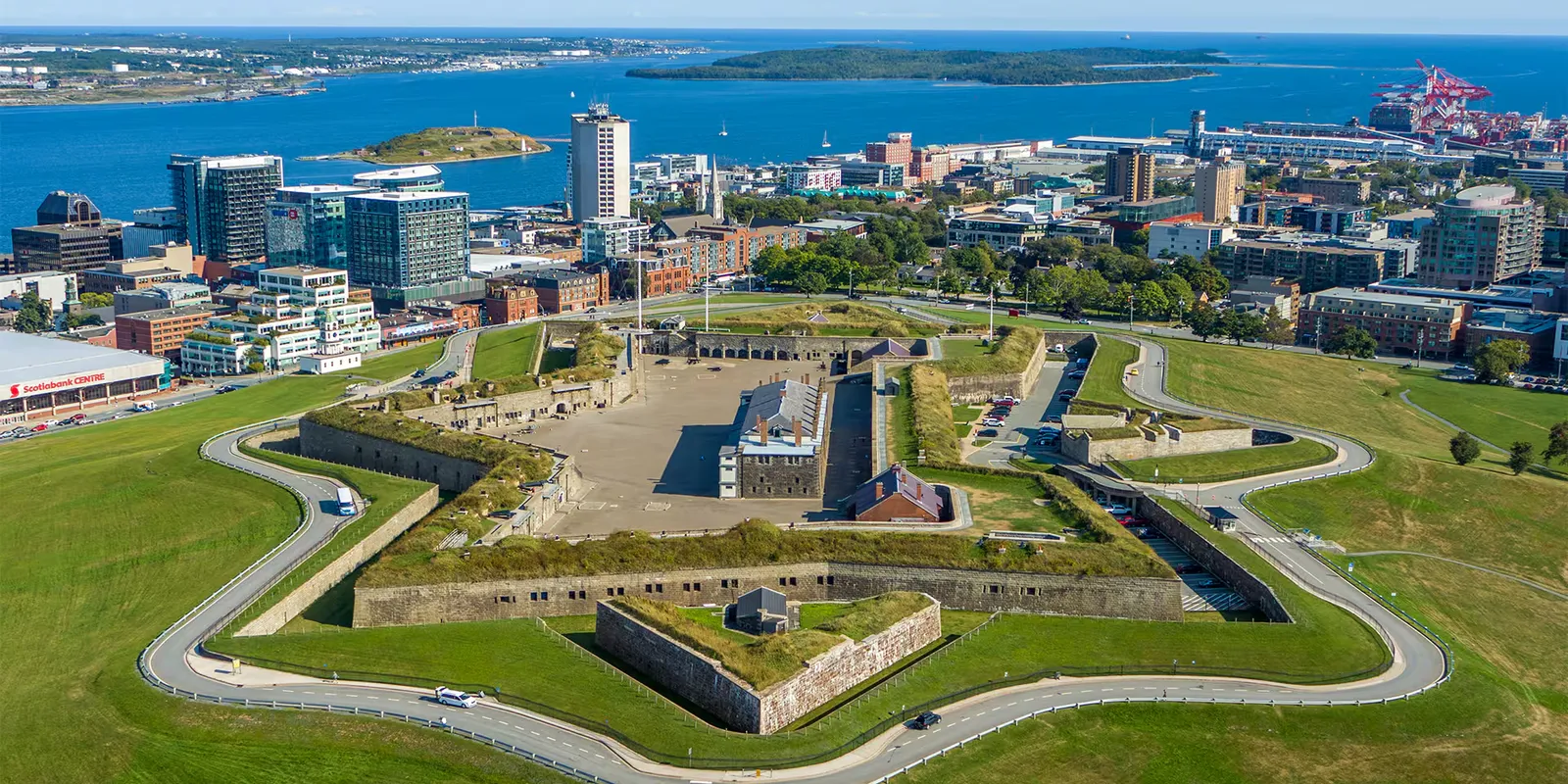
Halifax: the port that received the Titanic victims

Bangor: the city that inspired Stephen King

Ndjili International Airport: where to stay, areas and recommended hotels

Phoenix Sky Harbor International Airport: where to stay, areas and recommended hotels

Israir: Israel's Second Airline Between Leased Aircraft and New Intercontinental Routes