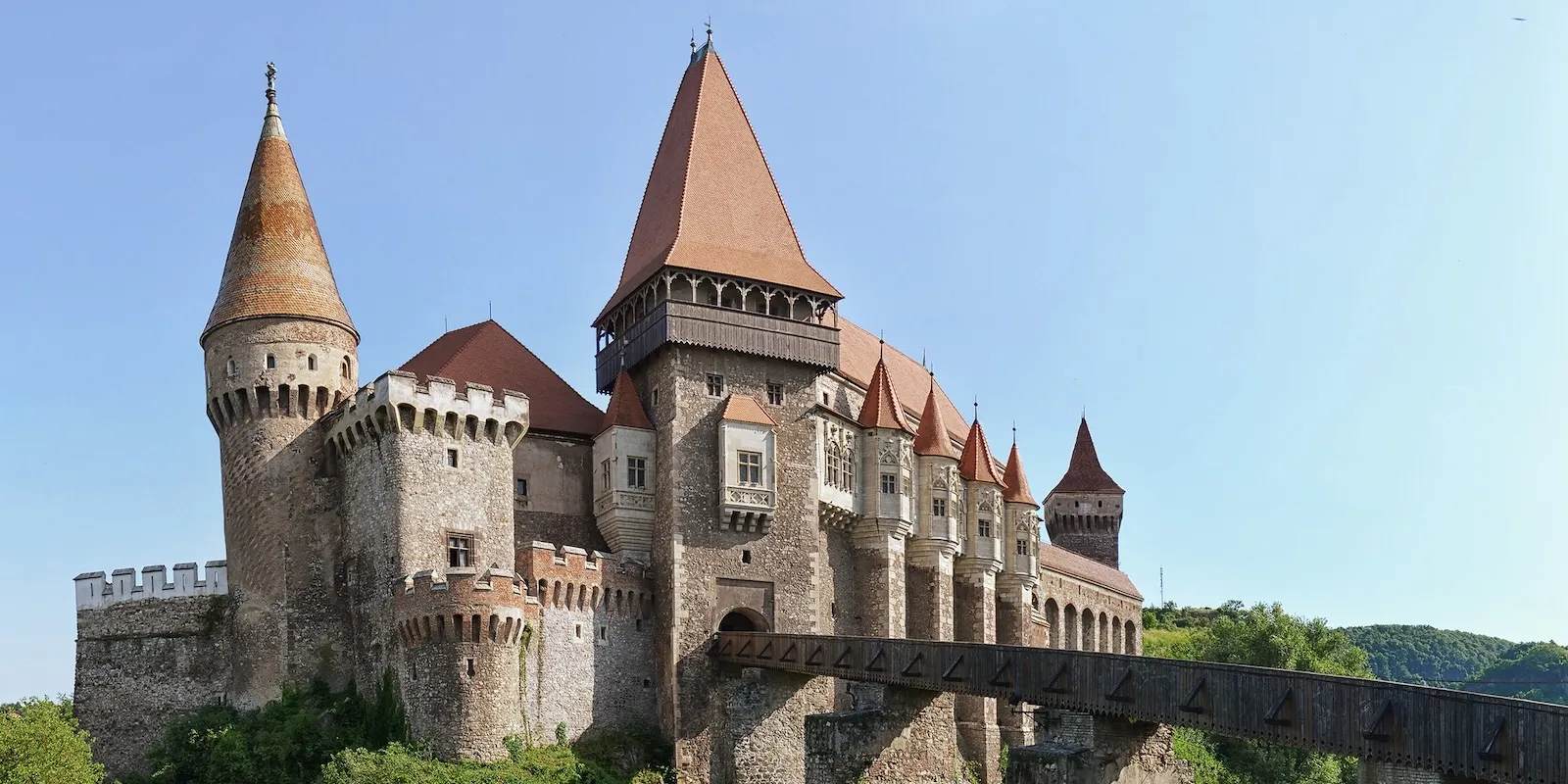

Suceava: the gateway to Bucovina's painted monasteries
Former capital of medieval Moldavia, Suceava remains the most convenient base for reaching the painted monasteries of Bucovina.
A rental car remains useful for the monasteries inland.
The Fortress of Suceava, residence of the princes of Moldavia for two centuries, resisted numerous Ottoman sieges thanks to its reinforced defensive walls.
A few minutes away, the Monastery of Zamca, founded by the local Armenian community, combines Armenian and Moldavian architectural elements.
Continuing south, you reach the Monastery of Moldovița, a UNESCO World Heritage site, with sixteenth-century exterior frescoes perfectly preserved despite centuries of weather exposure.
As evening falls, the historic center of Suceava, with its ethnographic museum, tells the peasant traditions of the Bucovina region.
The painted monasteries of Bucovina, a UNESCO site, owe their survival to a unique blue pigment, the celebrated 'Voronet blue,' whose exact chemical composition remains the subject of study today.
Suceava Fortress withstood three consecutive Ottoman sieges in the fifteenth century under Prince Stephen the Great, who made it the most impregnable stronghold of medieval Moldavia and a symbol of Romanian national resistance.
Related articles

You might also like...
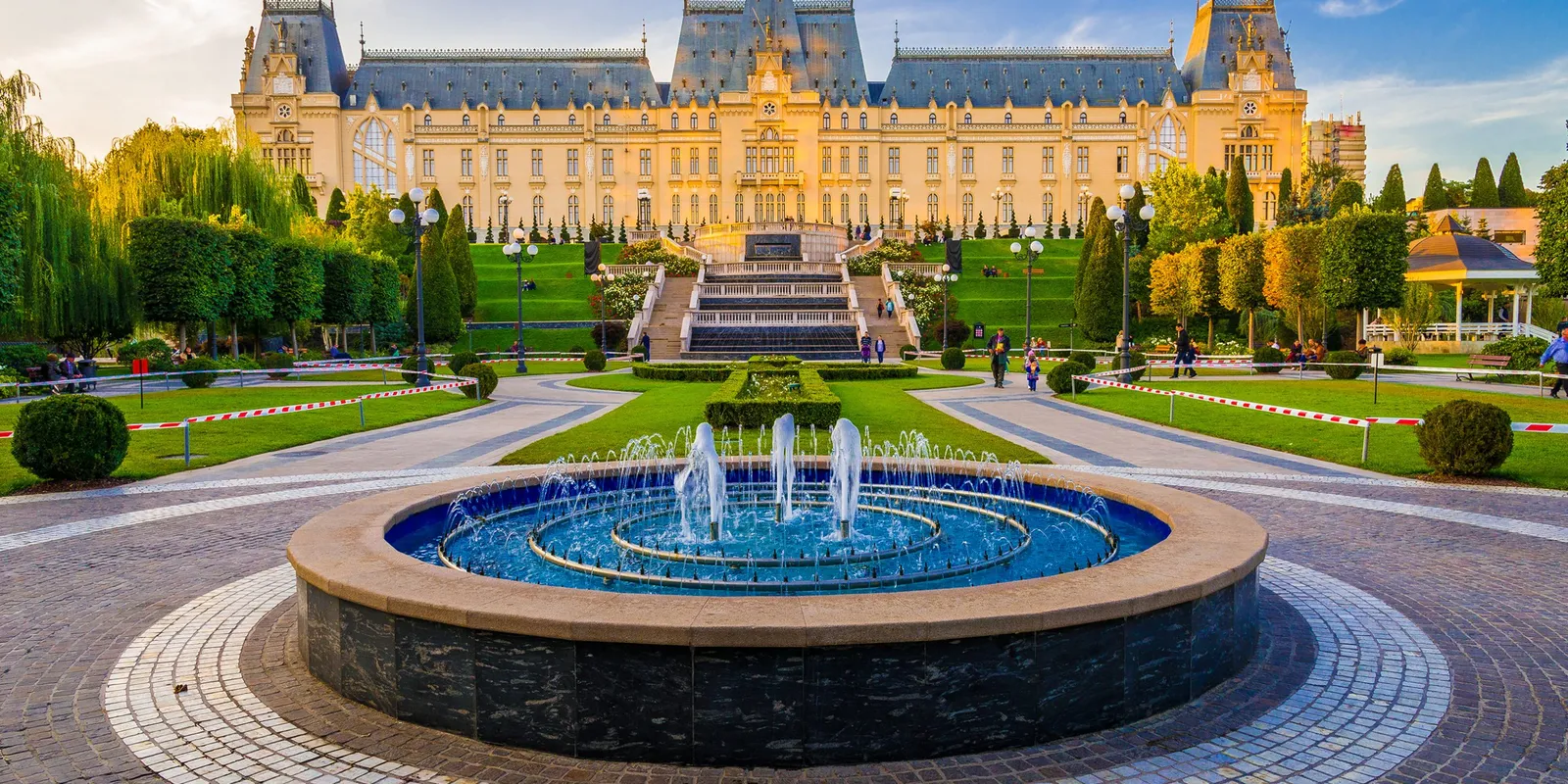
Iași: the cultural capital of Romanian Moldavia
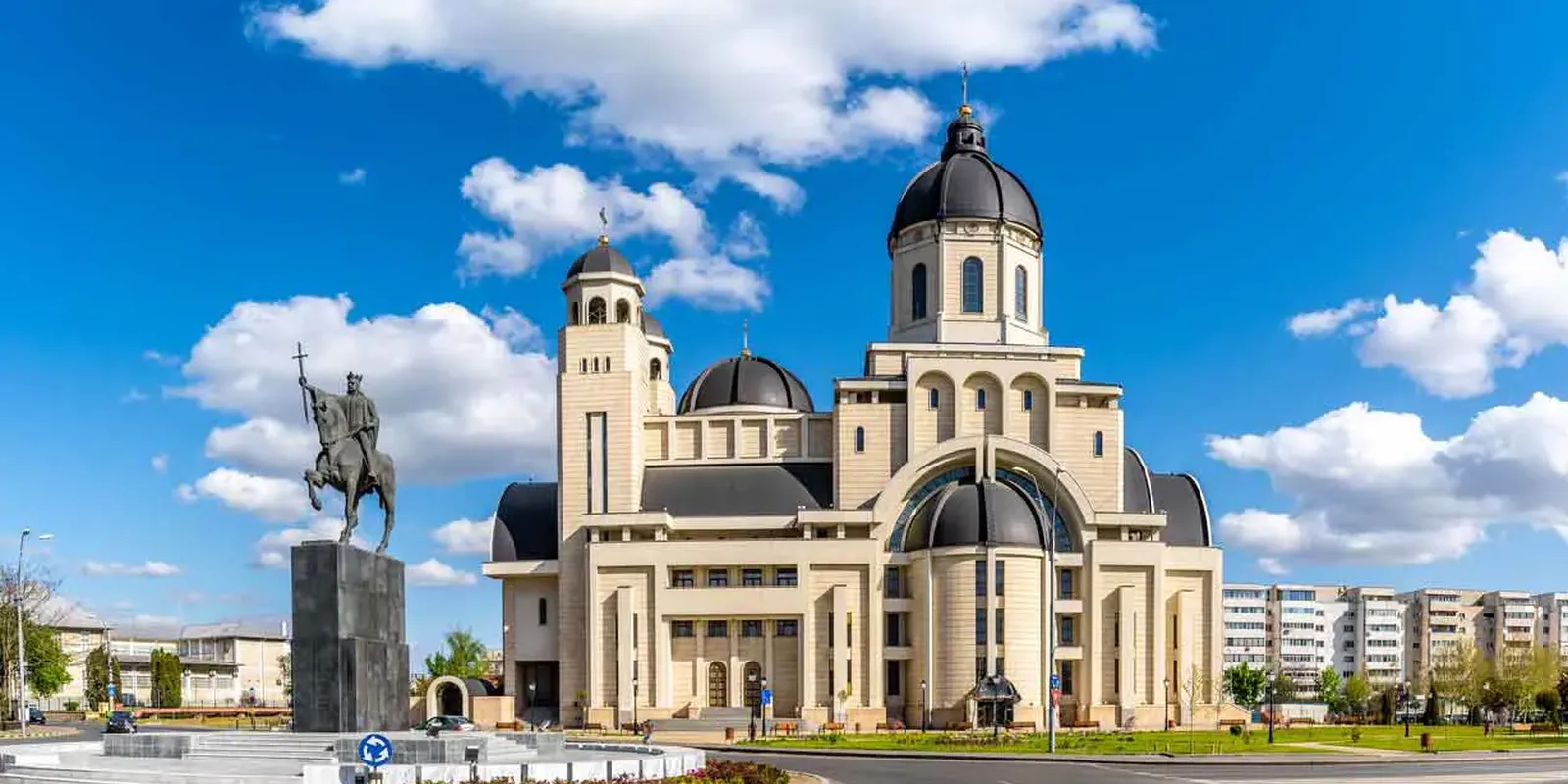
Bacău: the gateway to Moldavia, birthplace of George Enescu

Dubuque Regional Airport: where to stay, areas and recommended hotels
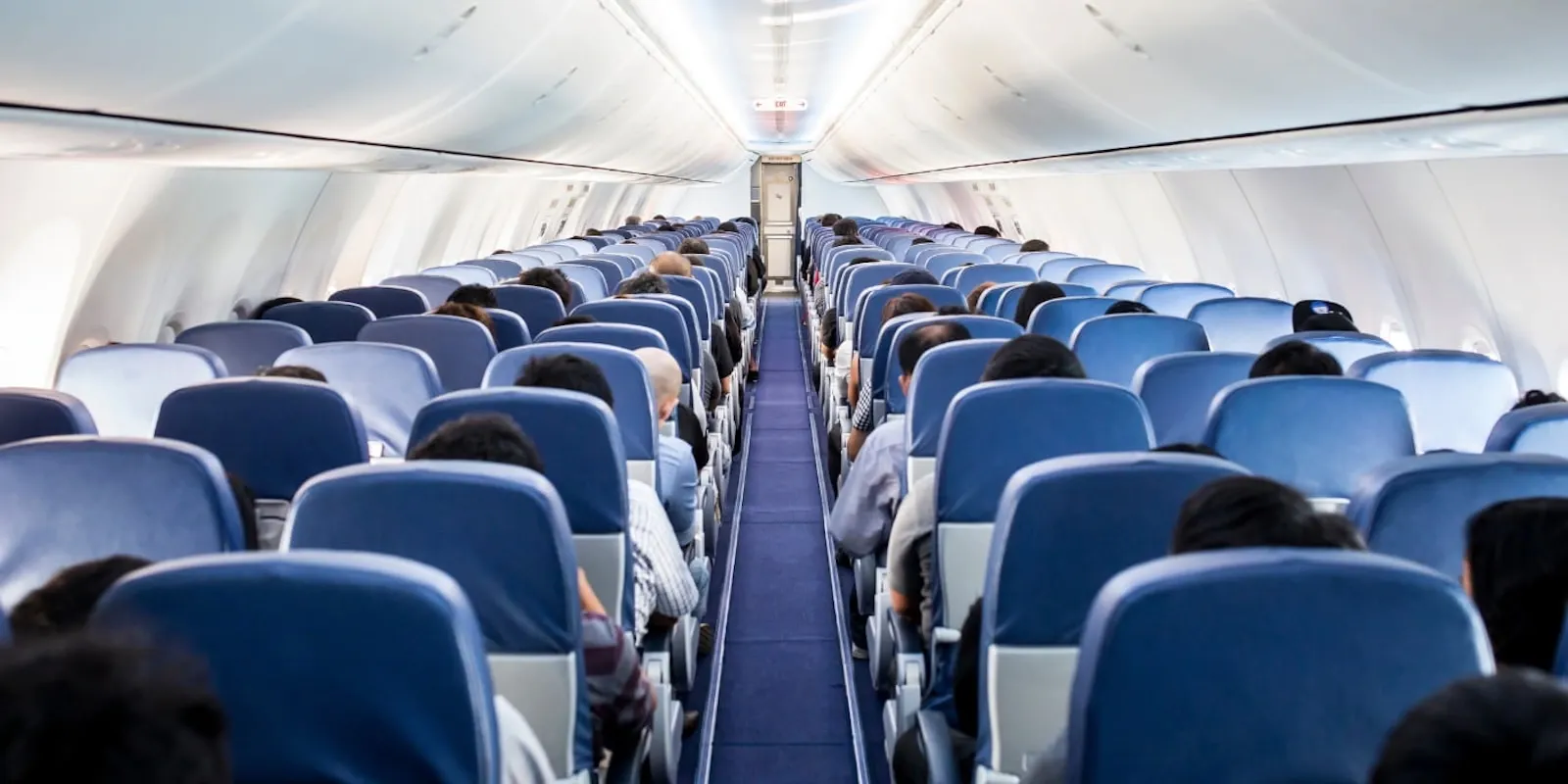
Assigned seat or seat selection: what's really worth it
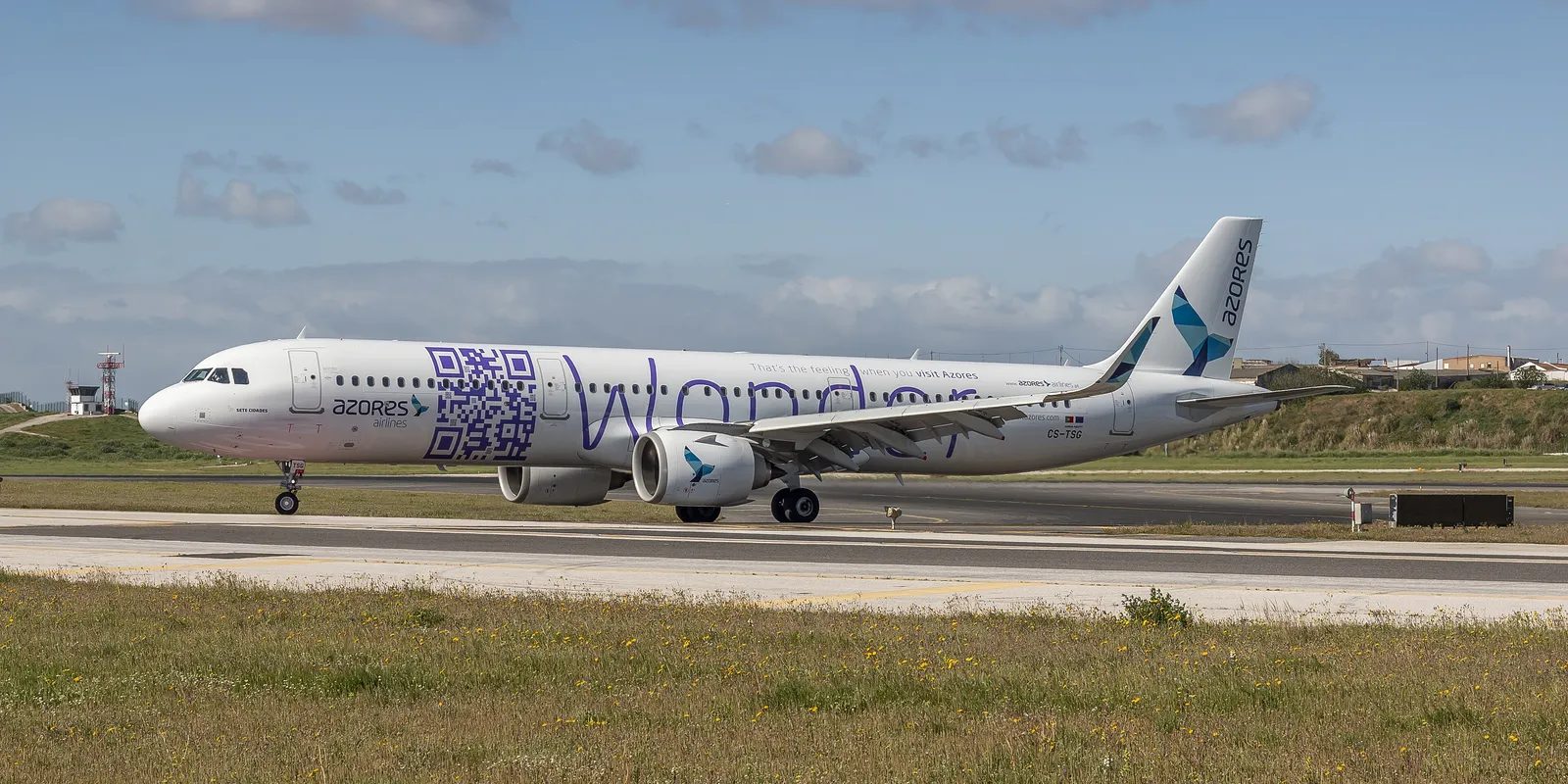
Azores Airlines: The Airbus A320neo Fleet and Flights from the Archipelago to the World
