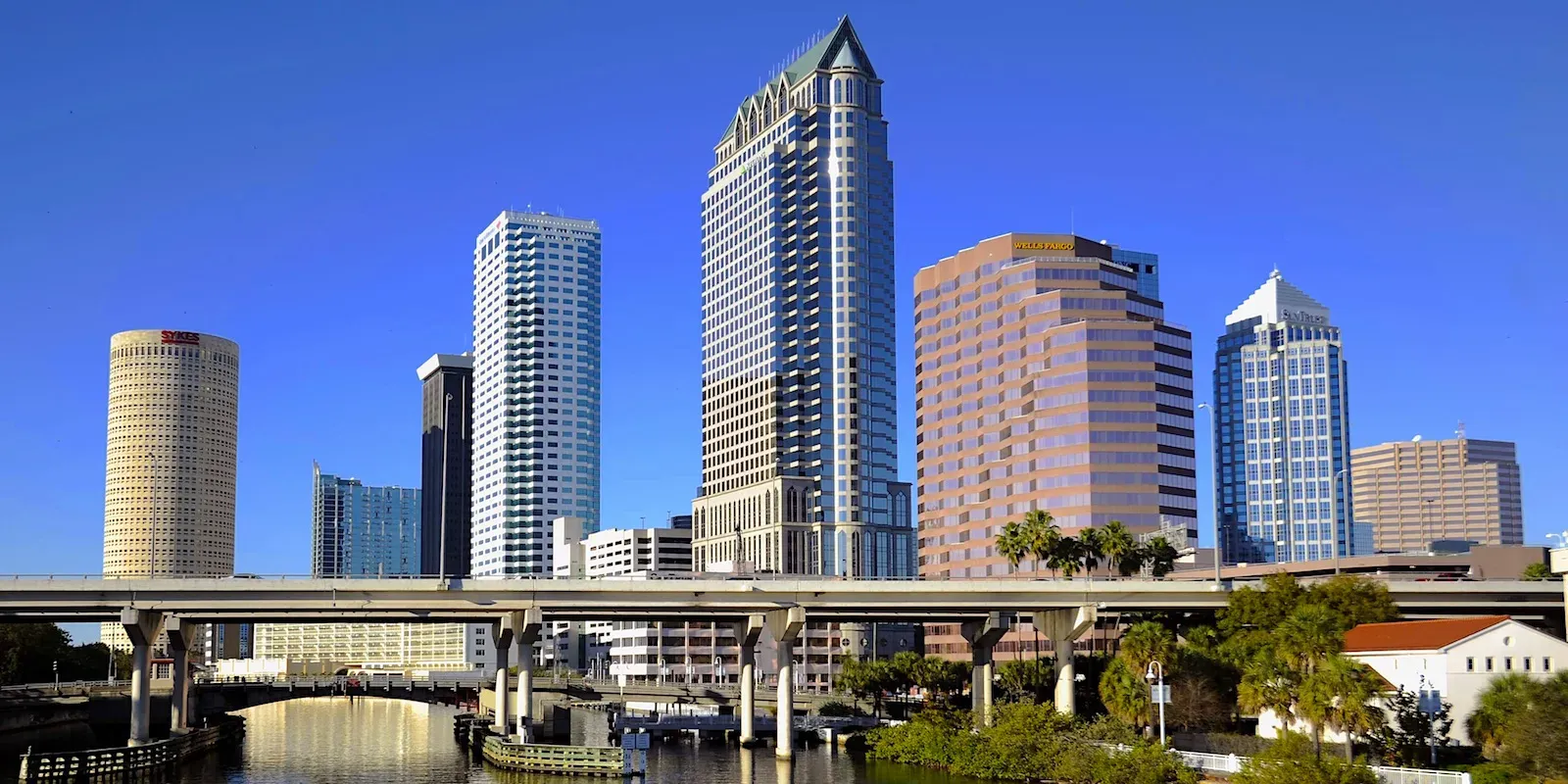

Tampa: Cuban cigars and the riverwalk
Built around one of America's major cigar industries in the late nineteenth century, Tampa preserves in the Ybor City neighborhood the legacy of thousands of Cuban and Spanish workers who came to work the tobacco leaves.
A historic streetcar conveniently connects Ybor City to downtown and the waterfront.
Ybor City, designated a national historic monument, preserves brick cigar factories now converted into restaurants and bars, along with social clubs built by the Cuban, Spanish, and Italian communities working side by side.
The Tampa Riverwalk, over two and a half kilometers of pedestrian path along the Hillsborough River, connects museums, public parks, and the city amphitheater in a route completed only in 2018 after decades of partial projects.
The Henry B. Plant Museum, housed in a former luxury hotel with silver domes in Moorish style built in 1891, tells the era when the railroad transformed Tampa from a fishing village into a destination for the wealthy North.
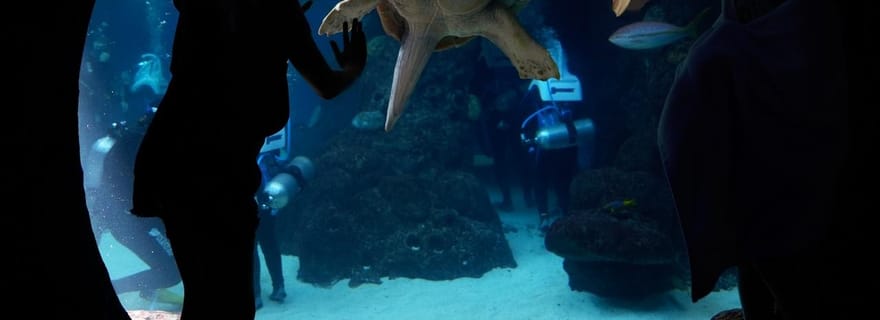
The Florida Aquarium, on the waterfront, reconstructs ecosystems ranging from Florida mangrove swamps to Caribbean coral reefs, with a tank for sharks also navigable by guided diving.
The cigar factories of Ybor City and the Moorish domes of Plant's hotel tell of two different Tampas that grew in the same decade: one made of immigrant workers, the other designed for a clientele that workers would never have met.
The Riverwalk, completed only a few years ago, is perhaps the first city project to literally place both of these legacies on the same pedestrian path.
Guided tours and experiences in Tampa
Related articles

You might also like...
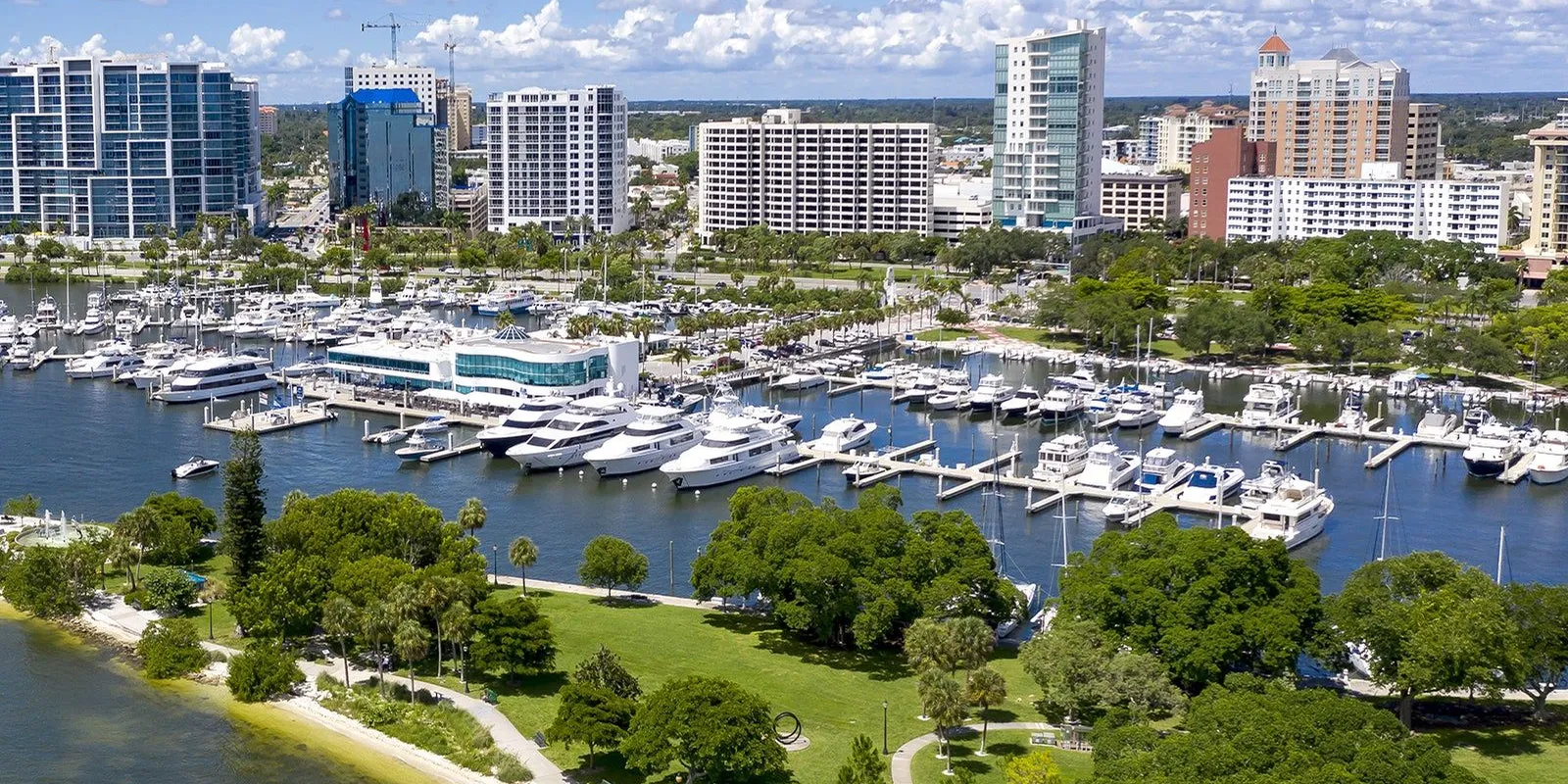
Sarasota: quartz sand and the American circus
Orlando beyond the parks: lakes and art

Pre-flight anxiety: how to deal with it in the days before

Hosea Kutako International Airport: where to stay, areas and recommended hotels

Shanghai Hongqiao lounges: how to choose between T1 and T2
