
Ürümqi: bazaars and mummies at China's edge
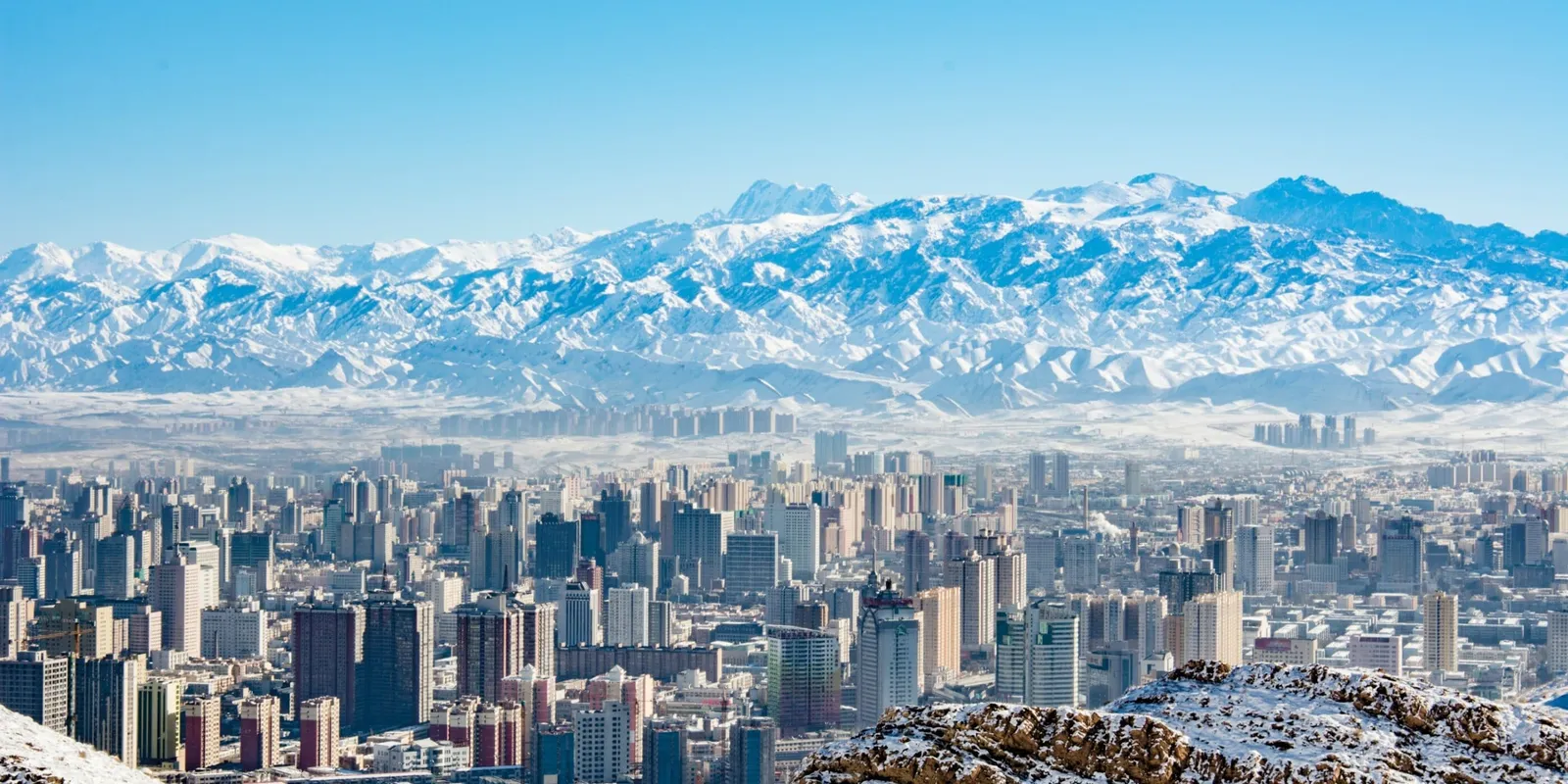
The city farthest from any ocean in the world according to official geography, Ürümqi has been a hub of exchange between Turkic, Chinese, and Persian peoples for two thousand years along the caravan routes of Central Asia.
The center is conveniently explored by metro, which opened in 2018.
The Grand Bazaar International, the largest of Central Asia in Islamic style, brings together under decorated minarets stalls of carpets, dried fruit, and inlaid knives from the Uyghur tradition.
The Xinjiang Regional Museum houses the famous mummies of the Tarim Basin, naturally mummified bodies preserved by the desert climate up to four thousand years ago, with somatic features that still divide scholars on their origin.
The Red Hill Park, the highest point in the city, hosts a Buddhist pagoda from the eighteenth century from which you observe all of Ürümqi squeezed between the snow-capped Tian Shan mountains and the surrounding desert basin.
In the evening, food stalls that open around the bazaar serve roasted lamb skewers and freshly baked naan bread, become the symbol of the district after sunset.
The Tarim mummies, with their wool fabrics still colored after millennia, tell of a multiethnic region long before it became Chinese, Uyghur, or anyone else's.
The Grand Bazaar, loud and alive, seems the modern and informal version of the same crossroads of peoples that the museum displays in its cases.
Related articles

You might also like...
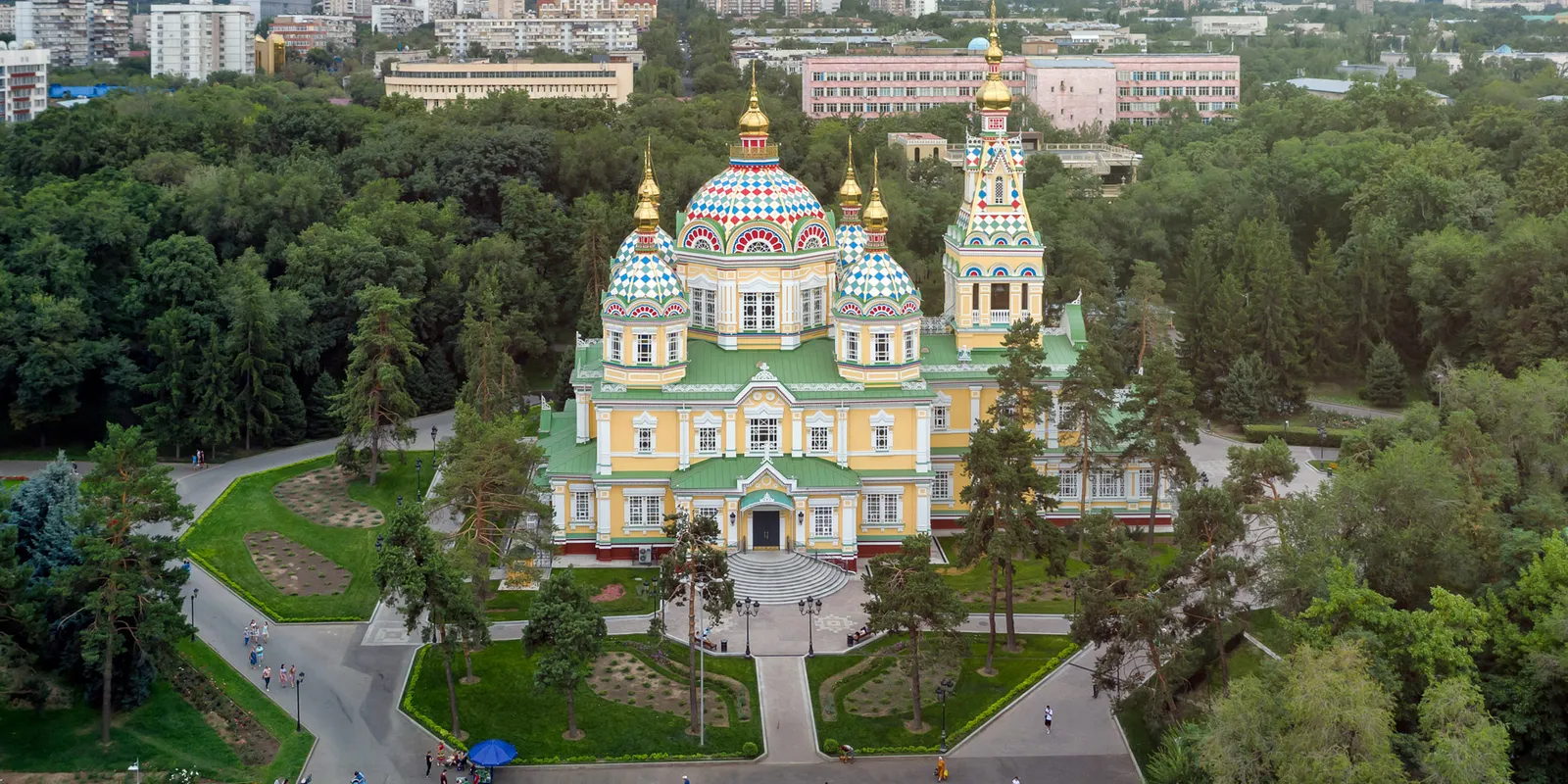
Almaty: what to see in 1 day
Bishkek: Soviet boulevards at the foot of the Tian Shan

Practical tips for infrequent flyers

What to do in the first minutes when a flight is cancelled

Allama Iqbal International Airport: where to stay, areas and recommended hotels