
Vaasa: the Swedish legacy on the Bothnian coast
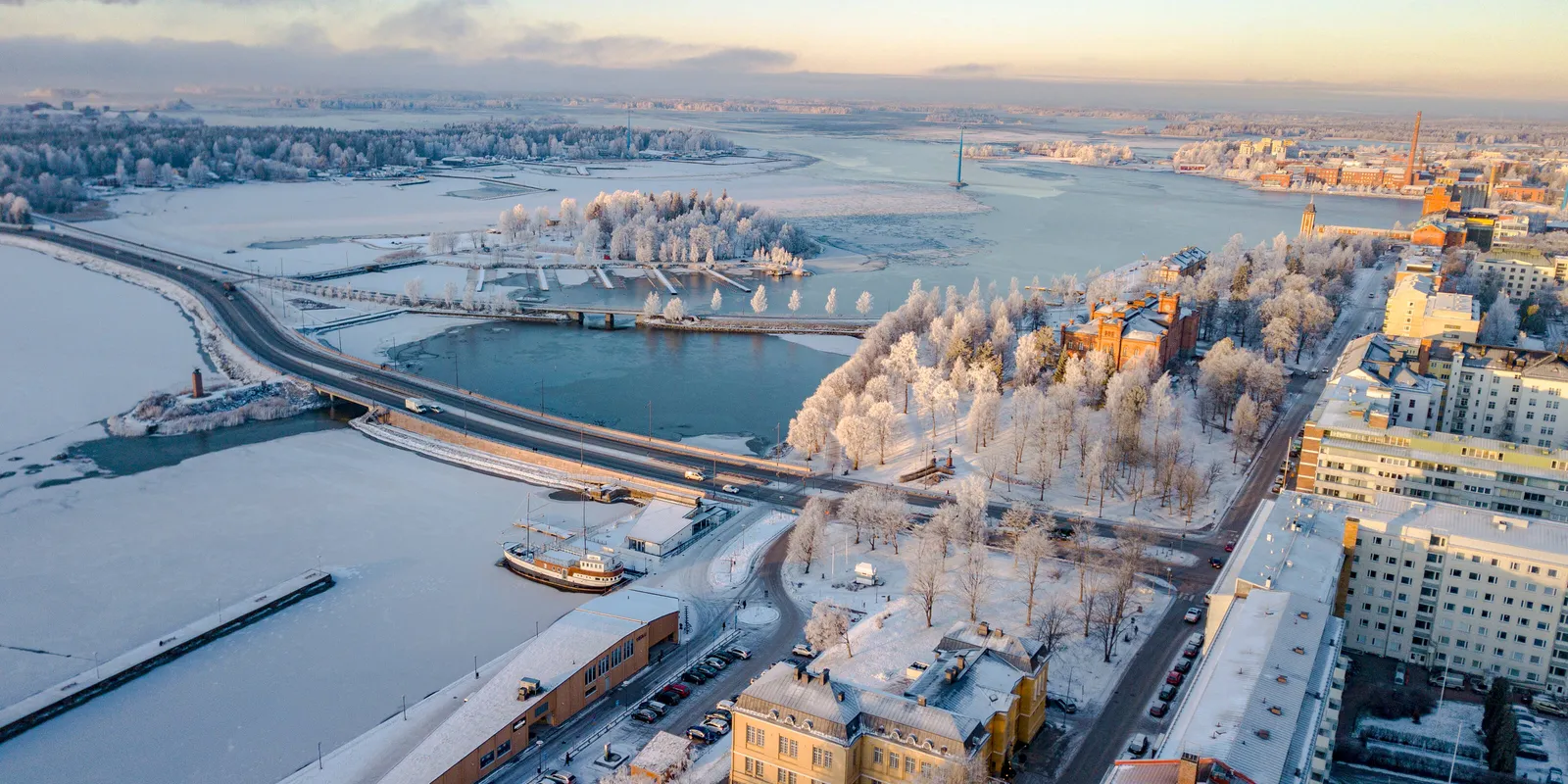
Rebuilt after a devastating fire in the nineteenth century, Vaasa remains Finland's city with the highest percentage of Swedish-speaking population.
The center, preserving strong Swedish heritage, can be comfortably visited on foot along the Botnia coast.
The Kuntsi Museum of Modern Art, a converted port warehouse, displays Finnish contemporary art on the waterfront, featuring works by contemporary Scandinavian artists.
Just steps away, Vaasa's Old Town, located at a distance from the current port, marks where the original settlement stood before the 1852 fire.
Continuing toward the archipelago you visit Kvarken, a UNESCO world heritage site, where land visibly rises today due to post-glacial rebound.
Toward evening, Vaasa's port animates fish restaurants with views toward Sweden across the Gulf of Bothnia.
The Kvarken Archipelago, a UNESCO World Heritage site shared with Sweden, rises almost a centimeter each year due to postglacial rebound, the fastest rate of land uplift measured anywhere in the world, continuously creating new islands.
Vaasa was completely rebuilt closer to the sea after the 1852 fire that destroyed the original town, leaving the old settlement as a separate archaeological site from the modern center and today accessible on foot.
Related articles

You might also like...
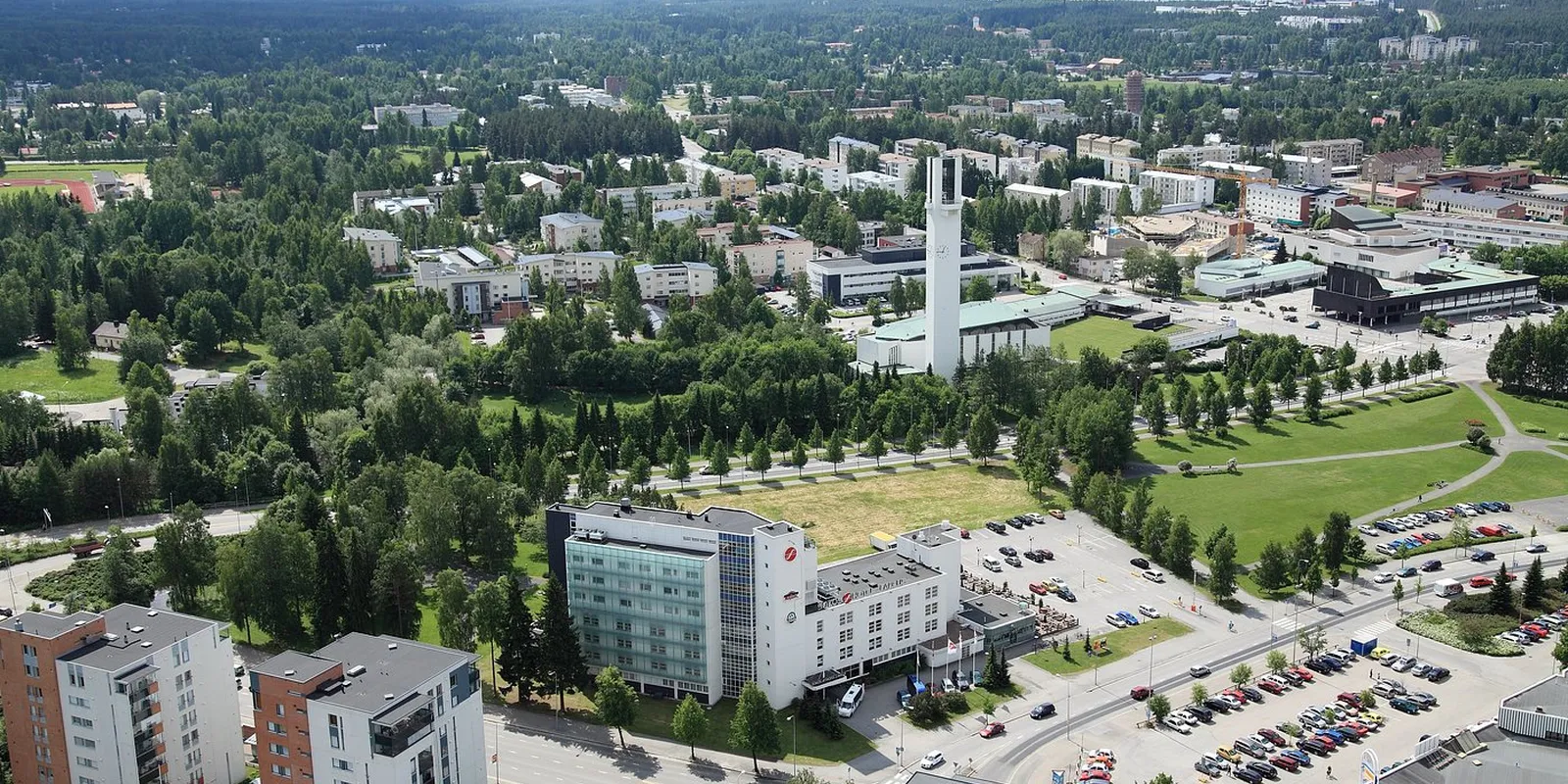
Seinäjoki: the city designed by Alvar Aalto
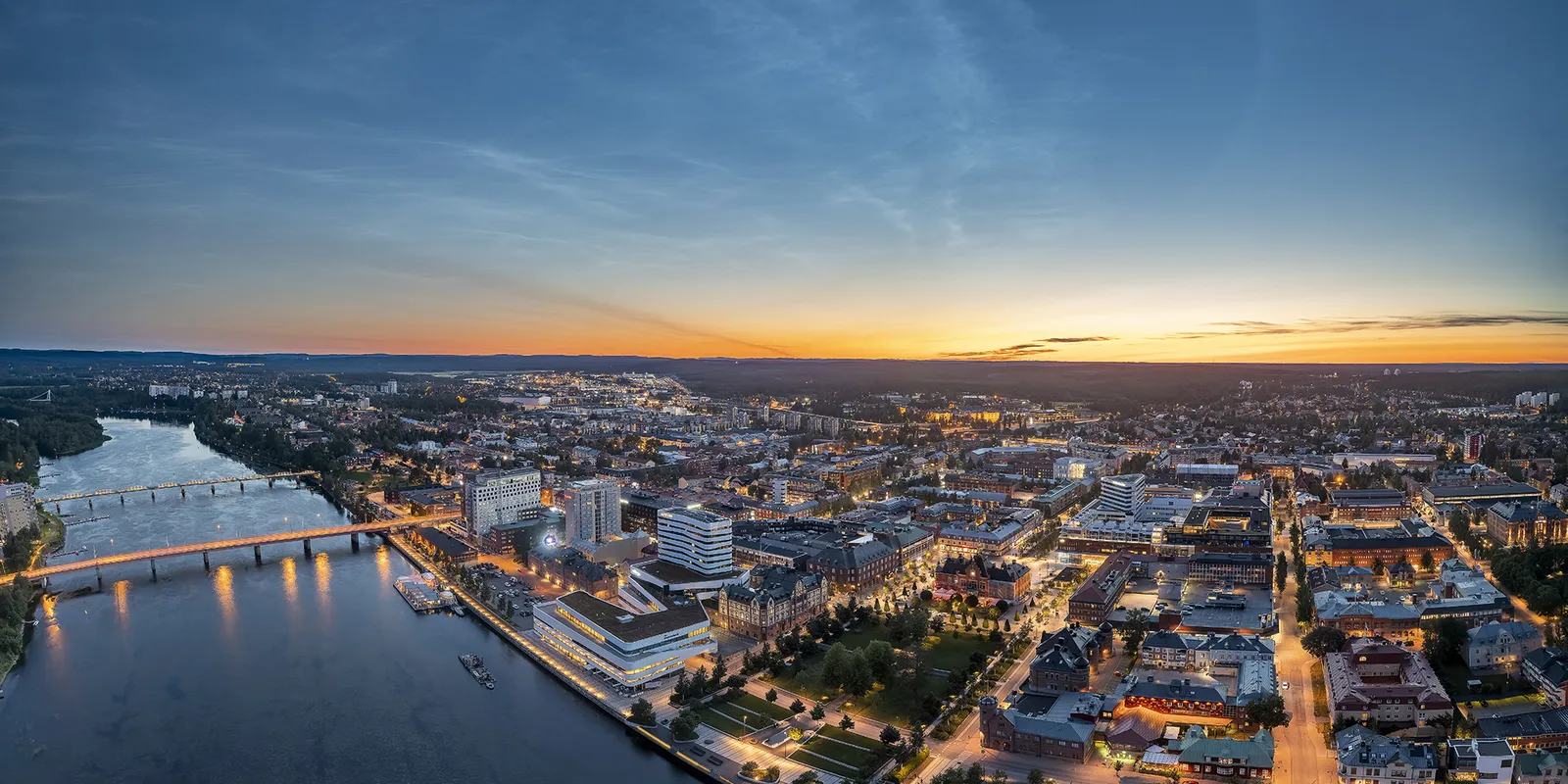
Umeå: reindeer and cultural festivals in Swedish Lapland

Épinal-Mirecourt Airport: where to stay, areas and recommended hotels

Cataratas del Iguazú International Airport: where to stay, areas and recommended hotels

Lufthansa: Fleet, Routes and Service of the German Flag Carrier