Documents for flying: a guide so you don't get stuck
It is not the absence of a document that blocks most travelers at check-in, but a residual validity rule for the passport that changes from country to country — and which many assume is «always six months», when in reality it must be verified case by case on the destination embassy website.
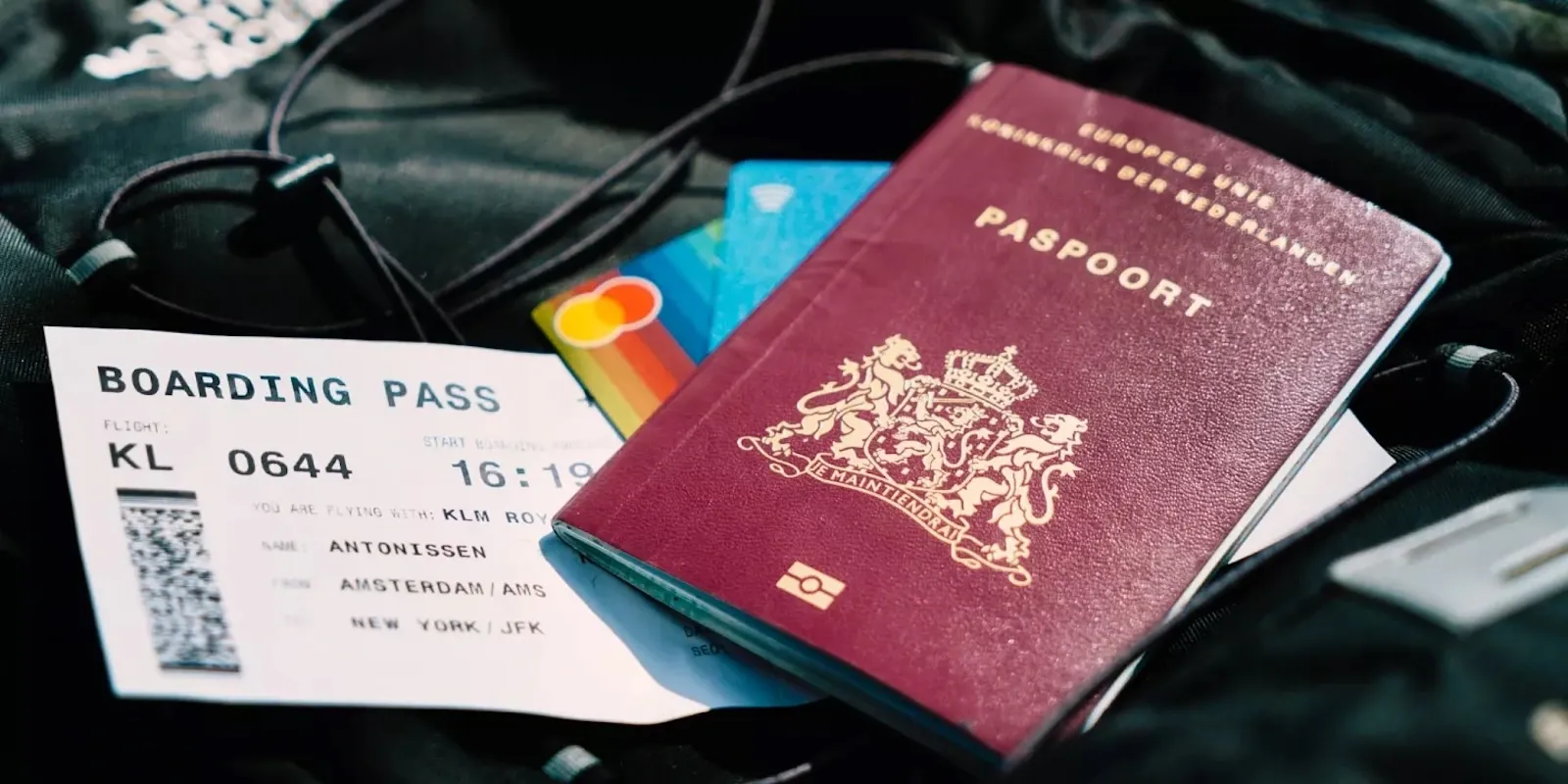
Passport: residual validity and the new EES biometric registration
Residual validity rules are not universal: some countries require the passport to be valid for at least three months beyond your return date, others for six, and the exact threshold must always be confirmed on the official website of the destination embassy or relevant foreign ministry, not from generic travel guides. It is also important to know that, from April 10, 2026, the EES (Entry/Exit System) is fully operational in all 29 countries of the Schengen area and associated countries: for non-EU citizens on short stays, the system registers face and fingerprints at the border instead of a paper stamp, following a gradual rollout that started on October 12, 2025. Those who want to speed up the check can pre-register their biometric data up to 72 hours in advance via the free «Travel to Europe» app by Frontex, but today it is only active at a few airports in Sweden and Portugal, so it is not yet a general solution.
Visas and electronic authorizations: ESTA, ETIAS and local rules
For the United States, the ESTA has an official cost of 40 dollars as of September 30, 2025 (previously 21) and is requested only on the official government site esta.cbp.dhs.gov. For Europe, the much-anticipated ETIAS — designed for extra-EU travelers exempt from visas such as Americans and British — was planned for the last quarter of 2026, but as of today (October 2026) is not yet operational: the official EU page states that the system «is not currently in operation» without setting a date, while industry media speculate a delay to 2027. No website today asking for payment to «register» a mandatory ETIAS is telling the truth: always verify the actual status on etias.europa.eu before paying anything.
Minors and backup copies of documents
Every minor who flies must have their own valid document (national ID or passport according to destination), and if traveling with only one parent some countries require an additional declaration to be verified in advance at the Police Station or relevant consulate. A high-resolution color scan of all documents saved to cloud storage and emailed to yourself remains the most useful safety net in case of loss, because it speeds up the issuance of a temporary document by the consulate.
Three or four weeks before departure, verify on the official website of your destination — not on a travel article — the residual validity required and the actual status of visas or electronic authorizations: these are the two pieces of information that change most often and which a late check cannot fix anymore.
You might also like...
Digital documents: how to manage visas online

Schiphol lounges: choosing between Schengen and non-Schengen

Munich airport lounges: what changes between T1 and T2

Julius Nyerere International Airport: where to stay, areas and recommended hotels
Visas and permits: navigating foreign bureaucracy