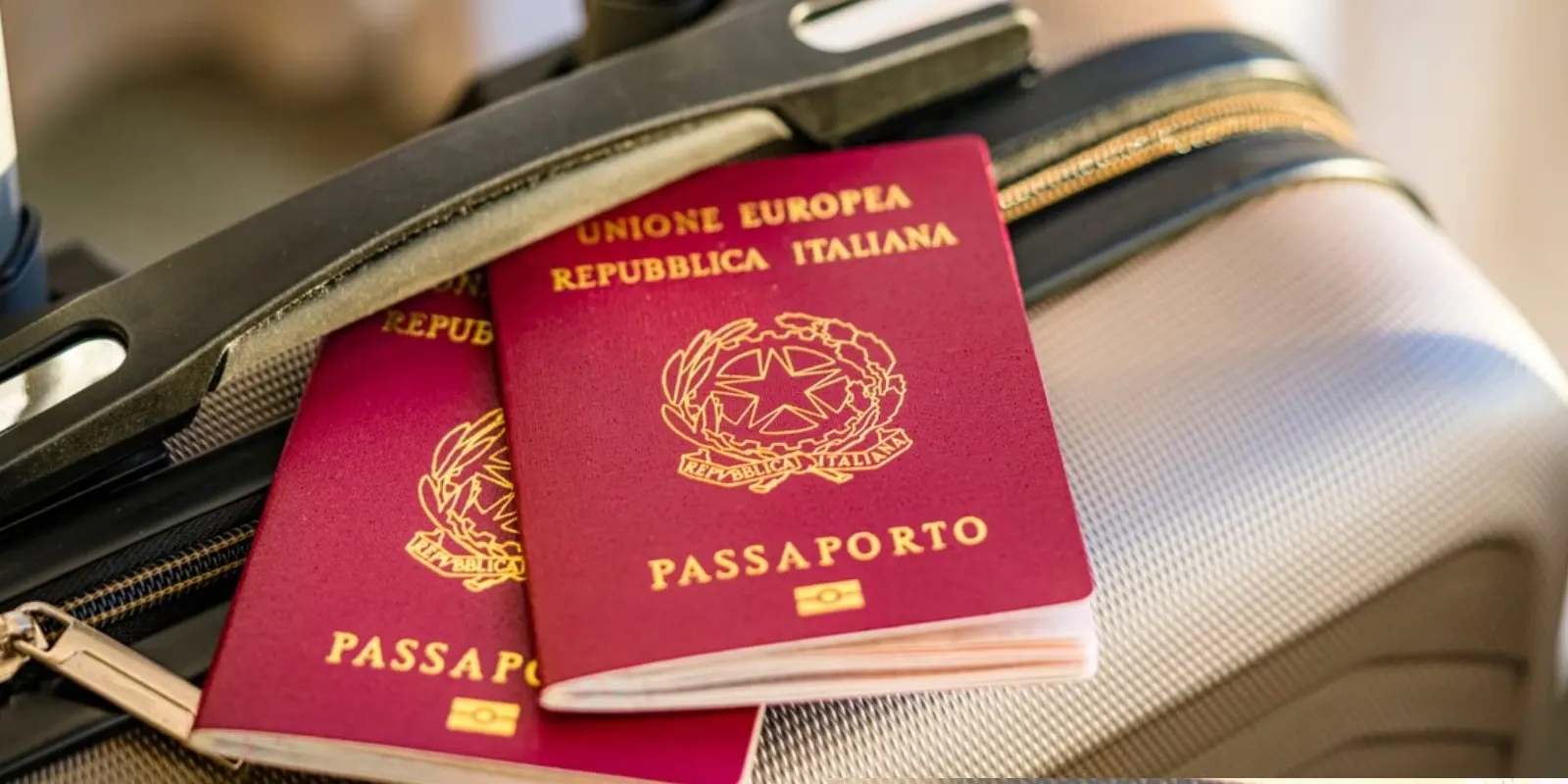
ID card or passport: which one do you need to fly
Within the Schengen area, a valid electronic identity card is sufficient for any EU citizen. Outside that area, including the United Kingdom after Brexit, a passport is almost always required, with the sole exceptions of San Marino and Vatican City.
Within the Schengen area: when an ID card is enough
For EU citizens, a valid identity card is sufficient for any movement within the Schengen area, by virtue of free movement agreements. There is, however, a practical detail: in Italy many municipalities have stopped renewing the old paper format and issue only the electronic identity card (CIE), the only one with the chip required by automated gates at some airports. A valid document without a chip still remains suitable for boarding: it simply does not allow the use of the e-gate.
For minors the issue becomes more complex: some countries require an exit authorization if the child is not traveling with both parents, an aspect covered in detail in the article dedicated to documents for the youngest travelers. You should also check the text on the back of the ID card: in some cases, for specific administrative or judicial reasons of the holder, the document is issued as not valid for abroad, a detail that few notice until they find themselves blocked at the check-in desk.
Outside Schengen: the case of the United Kingdom and other destinations
Outside the Schengen area, a passport becomes almost always mandatory, with the sole bilateral exceptions of San Marino and Vatican City. The most relevant case for those traveling from Italy is the United Kingdom: after leaving the European Union, the ID card is no longer accepted and EU citizens must present a passport. From 2025 a second requirement was added: every visa-exempt visitor, including Europeans, must obtain in advance a UK ETA (Electronic Travel Authorisation), whose fee rose to 20 pounds (about 23 euros) from 8 April 2026; once approved it remains linked to the passport used for the request and is valid for two years with multiple entries. The functioning of these systems is described in the article dedicated to electronic travel authorizations.
Loss and damaged documents: what actually happens
If an ID card or passport is lost or stolen abroad, the consulate can issue a temporary travel document, valid only for direct return to the home country and not for continuing the trip to other destinations. The procedure requires first a report to local authorities and then a consular appointment, which can take from a few hours to a couple of days. Even a passport physically damaged, with torn pages or non-functioning chip, can be rejected by automated checks even if formally still valid, forcing manual review.
In case of doubt about the exact destination, the safest choice remains to bring the passport anyway, even when an ID card alone would theoretically be sufficient: it costs nothing and eliminates any margin of uncertainty at the check-in desk.
You might also like...

Digital documents: how to manage visas online

Gdańsk Lech Wałęsa Airport: where to stay, areas and recommended hotels

In-flight entertainment: how to never get bored
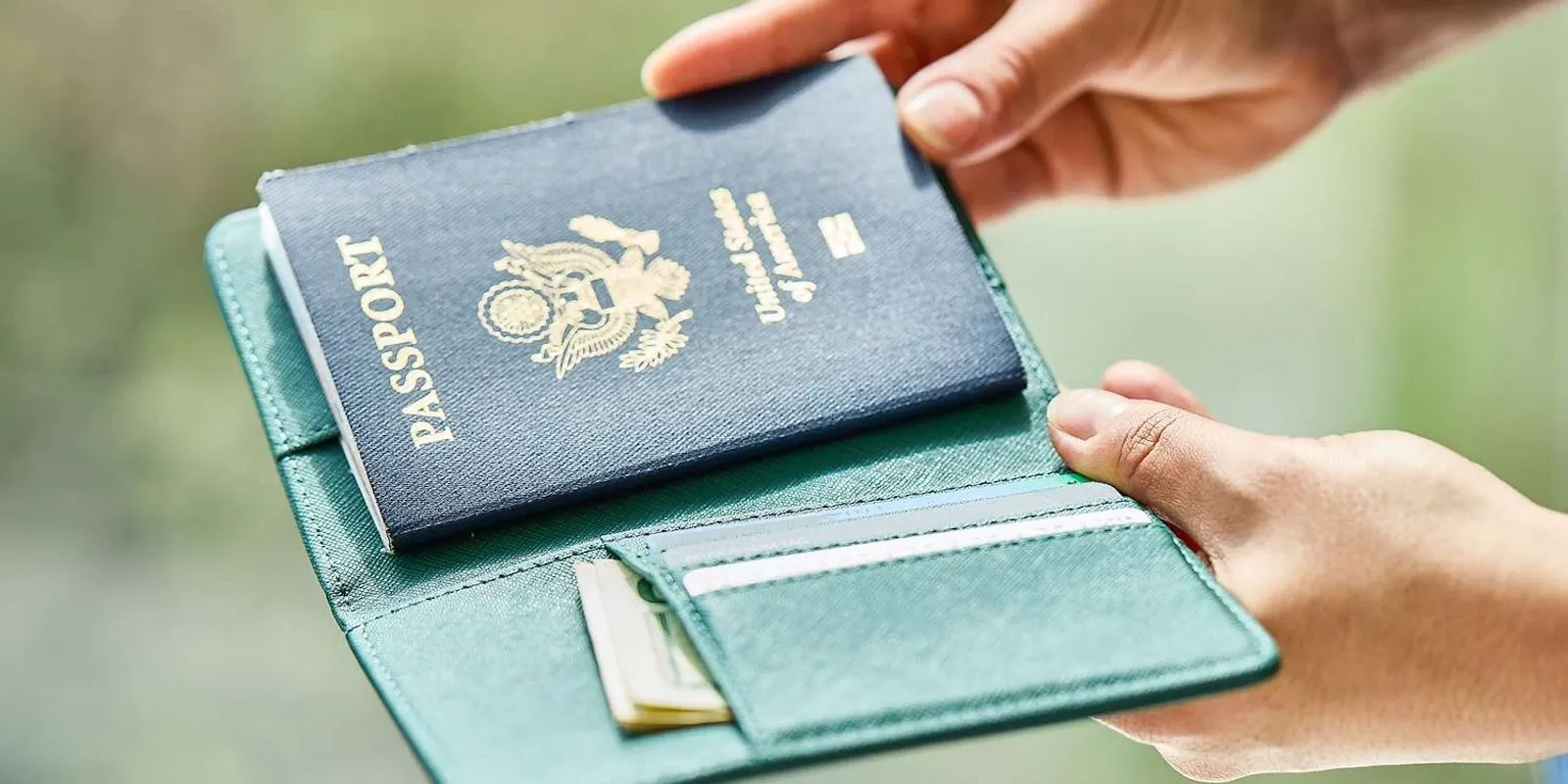
What documents you need depending on the type of flight

Sunwing Airlines No Longer Exists: What to Know if the Name Still Appears in Your Vacation Package