
What documents you need depending on the type of flight
The right question is not "what documents do I need to fly" but "what do I need for this flight": a domestic flight, one within the Schengen area and one intercontinental each require three completely different sets of documents, and confusing them is the most common planning mistake among those who travel infrequently.
Domestic or Schengen flight: ID card is enough
For a purely domestic flight, a valid ID card is sufficient — expired even by a single day, it blocks boarding regardless of whether the flight remains in the same country. The same rule generally applies to the 29 Schengen area countries (almost all EU states, plus Iceland, Norway, Switzerland and Liechtenstein): the only exceptions among EU states today are Ireland and Cyprus, where passport control remains active as for an extra-European destination — Romania and Bulgaria, however, became fully part of the Schengen area, including land borders, as of January 1, 2025.
Outside Schengen: passport, visas and the new EES system
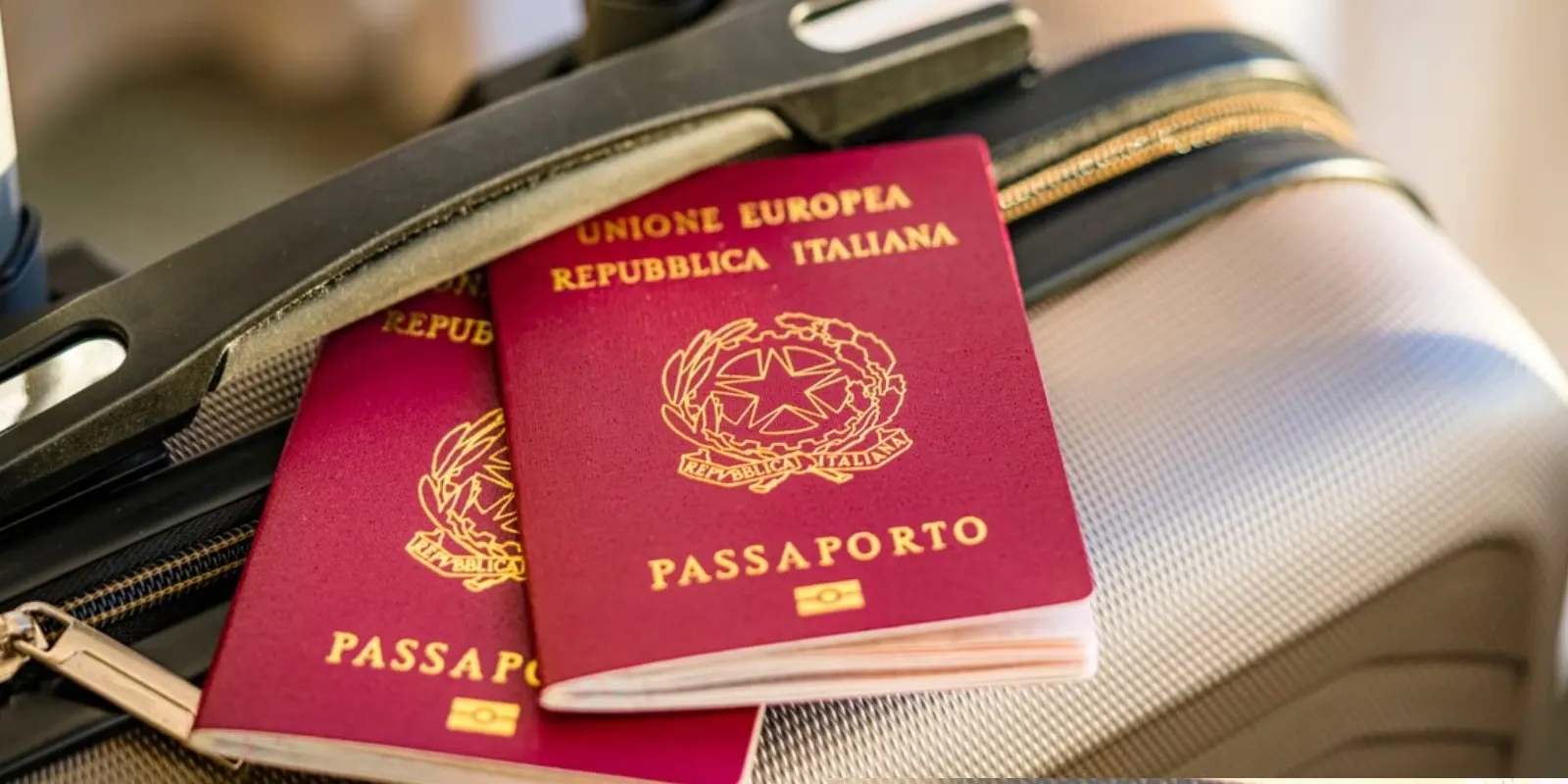
For a flight outside Schengen, a passport becomes the only accepted document in most cases, often with a residual validity requirement that varies from country to country (commonly between three and six months beyond your return) and must be verified on the relevant embassy website. This may be supplemented by a visa, an electronic authorization such as ESTA (40 dollars for the USA) or ETA (20 pounds for the United Kingdom as of April 2026), or specific health documentation. As of April 10, 2026, the EES is fully operational throughout the Schengen area and registers the face and fingerprints of non-EU citizens in place of the paper stamp; ETIAS, intended for visa-exempt extra-EU travelers, was expected by the end of 2026 but is not yet active today — no law in force today requires paying for ETIAS registration.
Connections, dual citizenship and stays beyond 90 days
A connection in a third country may require its own transit visa even without leaving the international area of the airport, and the requirements stack leg by leg in an itinerary with multiple countries, not just for the final destination. Nationality also matters regardless of destination: different passengers on the same flight may have different requirements, a relevant aspect for families with dual citizenship. Finally, those exceeding 90 days of stay (the most common threshold, but not universal) can no longer rely on entry without a visa and must request specific authorization well in advance.
Minors, foreign residents and residence permits
Every minor must have their own document, and if traveling with only one parent, some countries require an additional declaration to be verified in advance. Those residing in Italy without Italian citizenship should also bring a valid residence permit with them, because some airlines and border authorities require it to demonstrate the right of return; a simple renewal receipt is not always accepted as a substitute, so it should be verified in advance with the destination authority.
Before booking, check the documentary requirements for your specific nationality, for each connection included in your itinerary, and on the updated official website of your destination: rules such as Schengen membership or the status of EES and ETIAS change year to year, so verification of a previous trip is not enough anymore.
You might also like...

Digital documents: how to manage visas online
ID card or passport: which one do you need to fly

Brindisi Salento Airport: where to stay, areas and recommended hotels

Newport News Williamsburg International Airport: where to stay, areas and recommended hotels

Swiss International Air Lines: The New Airbus A350 Fleet and the Farewell to the Old A340s