What really happens during airport security checks
Behind every security checkpoint passage is a precise sequence of automatic and human verifications, designed to balance speed and security. Understanding it makes the entire process less opaque.
Baggage: from X-rays to new CT scanners
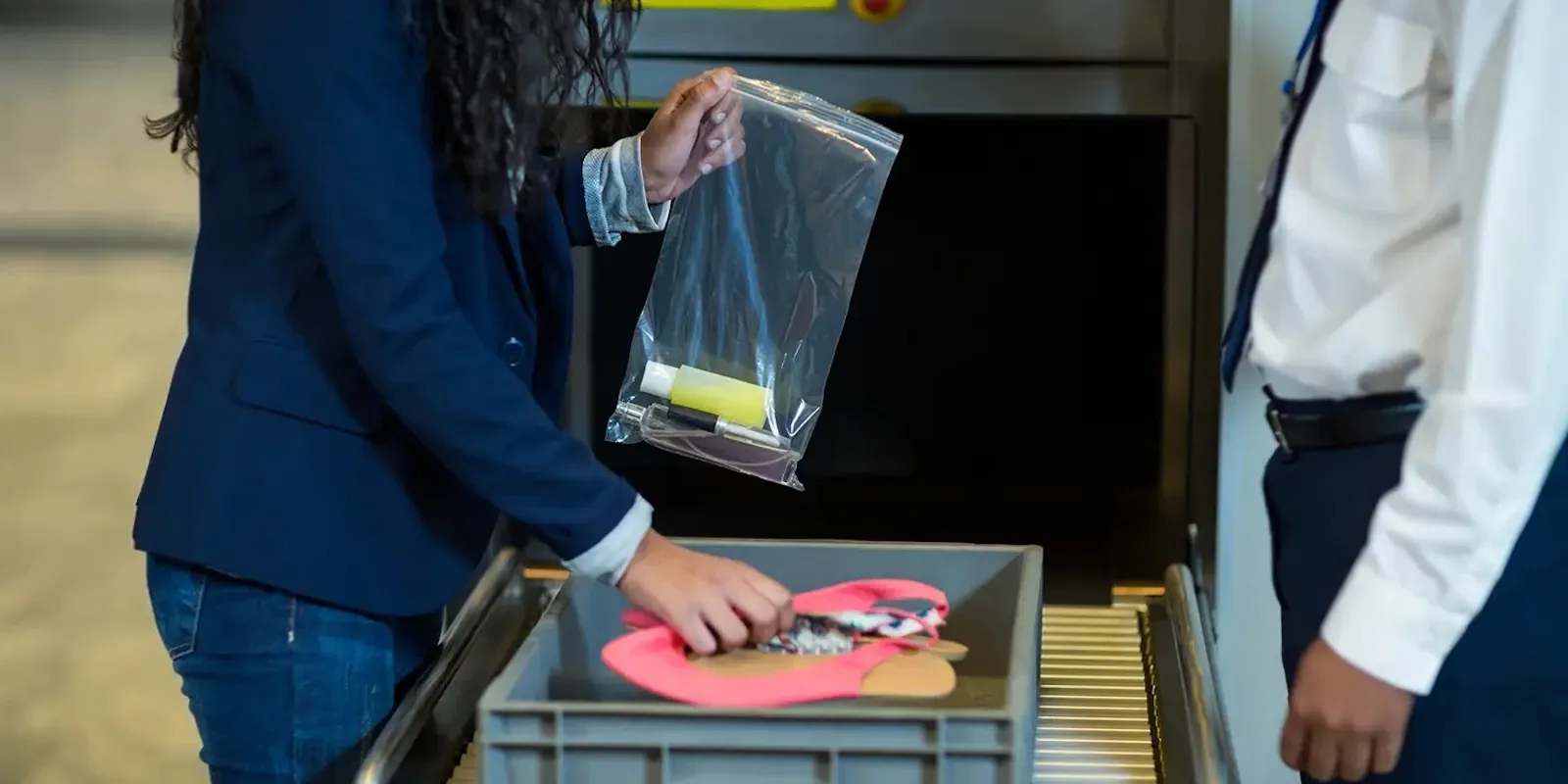
Carry-on baggage passes through an X-ray scanner or, at an increasing number of stops, a new CT scanner that returns an image of the contents to operators. In Italy these scanners have been active since 2026 at Fiumicino, Linate, Malpensa T1, Bologna and Turin, with ENAC aiming to extend them to other airports by summer 2026: they reconstruct content in 3D and distinguish materials, allowing liquids and laptops to remain in the suitcase and permitting liquids up to 2 liters, a threshold that replaces the old 100 ml except on some sensitive routes.
The person: metal detector and body scanner
The passenger passes through a metal detector or, where available, a millimeter-wave body scanner, which generates a generic image of the body — not an actual photograph — to detect objects hidden under clothing without physical contact. Images are not stored.
When additional screening is needed
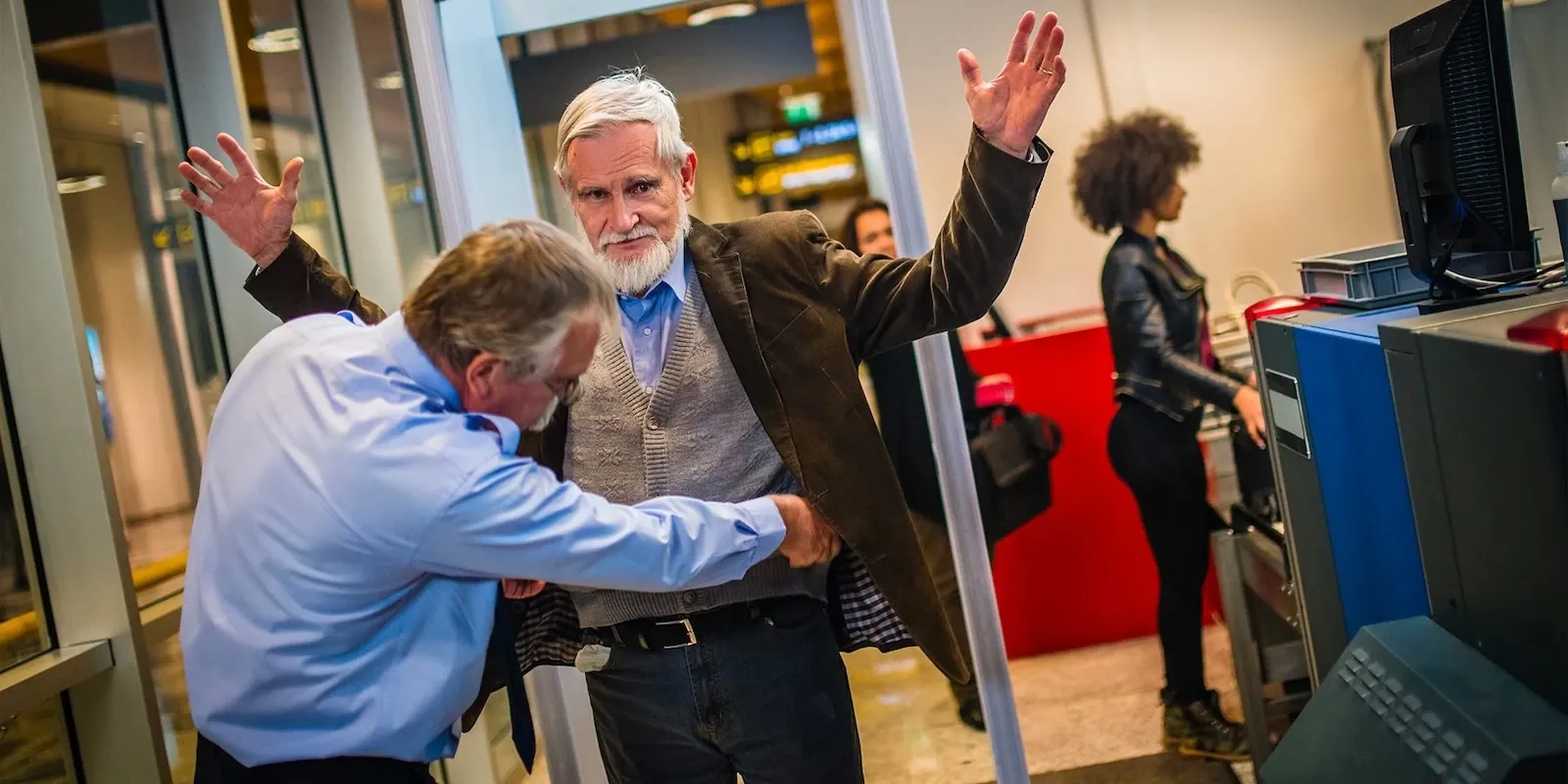
If the baggage scanner or body scanner detects something the system cannot rule out with certainty, a targeted manual check of the flagged area or object follows: not an accusation, but standard procedure in these cases. This is supplemented by random sampling checks, such as explosives trace detection swabs, applied even to those who triggered no alarm.
For the majority of passengers the entire journey, from document to baggage recovery, takes just a few minutes: additional screening concerns only a minority of cases and does not indicate a specific suspicion.
You might also like...

Phnom Penh Techo Airport: where to stay, areas and recommended hotels
Airport security: how to handle random checks

Arad International Airport: where to stay, areas and recommended hotels
Missing your flight: a practical guide to handling the emergency

Air Corsica: Flights and Fares for the Island's Public Service Obligation (PSO) Link