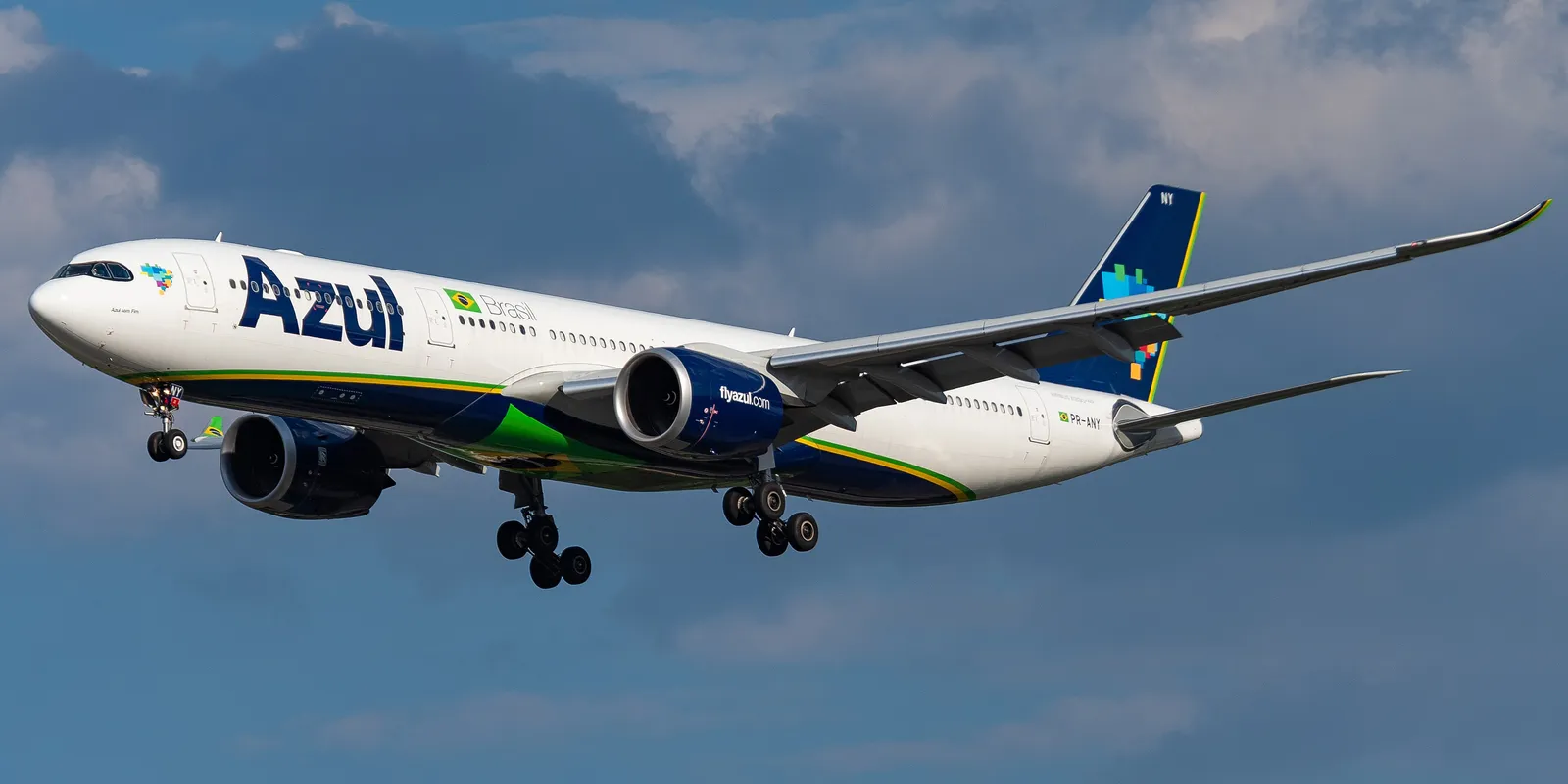
Azul Linhas Aéreas: What Passengers Say About the Airline With the Most Routes in Brazil
Founded in 2008 by entrepreneur David Neeleman, Azul is now the airline with the largest number of domestic routes in Brazil, with its main hub at Viracopos-Campinas, near São Paulo. In 2025 it went through a financial restructuring under US Chapter 11, concluded with its exit from the process in February 2026 and a sharp reduction in debt.
History and positioning
Founded in 2008 by entrepreneur David Neeleman, Azul is now the airline with the largest number of domestic routes in Brazil, with its main hub at Viracopos-Campinas, near São Paulo. In 2025 it went through a financial restructuring under US Chapter 11, concluded with its exit from the process in February 2026 and a sharp reduction in debt, including a cut of about 2.5 billion dollars in debt and new capital from United Airlines and American Airlines.
The fleet
The model stands out for its reach: Azul serves a great many small and medium-sized Brazilian cities that competitors serve poorly, thanks to a mixed fleet with Embraer E195s and ATR 72s for regional routes, alongside Airbus A320s, A321neos and the long-range A321XLR for international routes to the United States and Europe.
Routes and network
The domestic network is the broadest among Brazilian carriers by number of cities served, a direct competitive advantage over GOL and LATAM on secondary destinations. The introduction of the A321XLR has made it possible to open new long-haul routes to the United States without having to go through an intermediate hub.
On board and service
The TudoAzul loyalty program is reported to be generous in earning points compared with direct competitors, while the new A321XLR configuration on long-haul routes is appreciated by those who have already flown the new routes to the United States.
What passenger reviews reward
- A domestic destination network judged the broadest among Brazilian carriers, useful for those flying to secondary cities.
- The TudoAzul loyalty program reported as generous in earning points compared with direct competitors.
- The introduction of the A321XLR on long-haul routes, with a configuration appreciated by those who have already flown the new routes to the United States.
What remains a concern
- Recurring losses and the debt restructuring have caused worry among frequent flyers about the future stability of some minor routes.
- Some regional routes with reduced frequency compared with the pre-restructuring period, after the fleet cuts announced during Chapter 11.
- Customer service response times judged long when claiming a refund for a cancellation.
Azul remains the most practical choice for anyone who needs to reach secondary Brazilian cities not served by other carriers, thanks to a domestic network without equal in the country. It is less suitable, at least in the short period after the restructuring, for those planning trips on minor routes that could see further frequency adjustments.
Before booking a less-traveled regional route, check the updated schedule on the website: after the 2025 restructuring some frequencies have changed from what is reported in less recent travel guides.
You might also like...

Milano Linate Airport: where to stay, areas and recommended hotels

Stansted airport lounges: how to choose between the two

Tallahassee International Airport: where to stay, areas and recommended hotels

Airport transfer: what to know before booking
Azerbaijan Airlines: What Passengers Say About AZAL Comfort and Punctuality