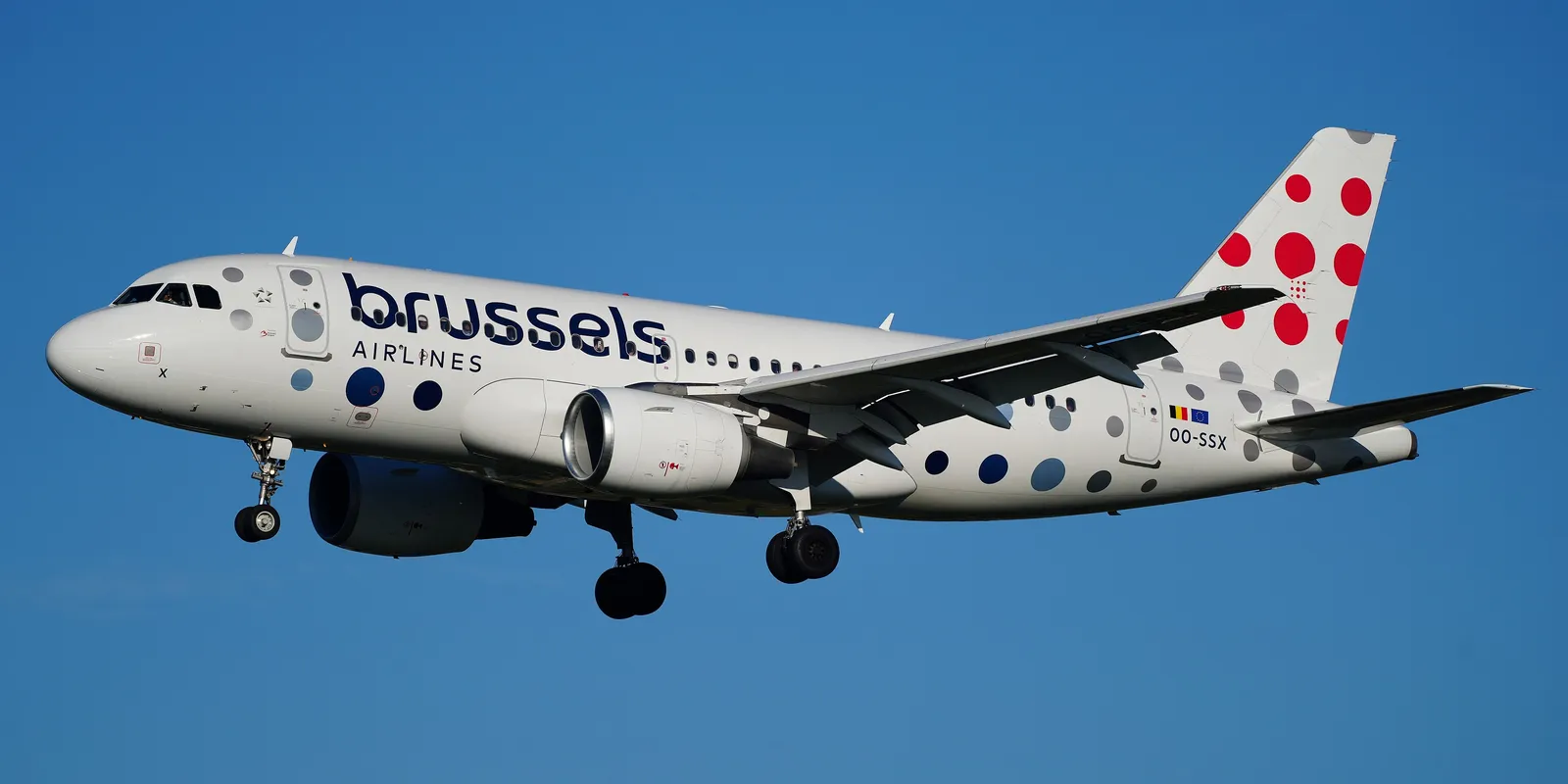
Brussels Airlines: What Passengers Say About the Belgian Carrier of the Lufthansa Group
Created in 2006 through the merger of SN Brussels Airlines (heir to the historic Sabena) and Virgin Express, Brussels Airlines is now part of the Lufthansa Group, with its hub at Brussels-Zaventem airport. From Sabena it inherited a network to Central Africa that is particularly broad for a European airline of this size, and that remains one of its distinguishing features.
The fleet
Brussels Airlines operates Airbus A320 and A319 aircraft on European routes, alongside a group of Airbus A330s dedicated to long-haul links to sub-Saharan Africa and, at certain times, to North America. The European fleet follows Lufthansa group standards in terms of cabin configuration, while the A330s keep a long-haul product that is more specific to the African routes.
History and positioning
Created in 2006 through the merger of SN Brussels Airlines, heir to the historic Sabena, and Virgin Express, Brussels Airlines is now part of the Lufthansa Group. From Sabena it inherited a network to Central Africa that is particularly broad for a European airline of this size, a legacy that remains its strongest distinguishing trait compared with other European carriers of comparable size.
Routes and network
The network includes short and medium-haul routes across Europe from the Brussels-Zaventem hub, plus several Central and West African destinations served with the A330, where the airline holds a direct-connection position that few other European carriers match with the same breadth.
On board and service
Integration with the Lufthansa group's Miles & More program makes connections easier for those traveling with other carriers in the alliance. On board, service on the long-haul African routes is generally attentive, while on shorter European flights the product stays in line with the continental standard, with no particular distinguishing elements.
What works according to reviews
- Direct connections to several Central African cities not served by many other European carriers.
- Cabin staff often described as friendly, particularly on long-haul flights.
- Good integration with the Miles & More program and with connections within the Lufthansa group.
What is criticized most often
- Frequent delays on short-haul flights departing from Brussels, especially at peak hours.
- Legroom judged limited in economy on long-haul flights compared with direct competitors on the same African routes.
- Complaint handling through customer service reported as slow, with response times of several weeks.
Brussels Airlines is a solid choice for anyone who needs to reach Central Africa with a direct connection from Europe, thanks to a network that few competitors cover as broadly. It is less suitable for those seeking maximum economy comfort on a long flight, where space remains in the lower-middle range for the industry.
If you are flying to Africa with bulky luggage, check the specific allowance for that route in advance: on some African destinations the baggage rules differ from the standard European ones of the group.
You might also like...
Japan Airlines: A Guide to the Airline Reborn After Its 2010 Bankruptcy

Baton Rouge Metropolitan, Ryan Field: where to stay, areas and recommended hotels

Juwata Airport: where to stay, areas and recommended hotels

Bahamasair: The ATR and Boeing Fleet of the Bahamas' Flag Carrier

Cat on a plane: the logistics of departure day