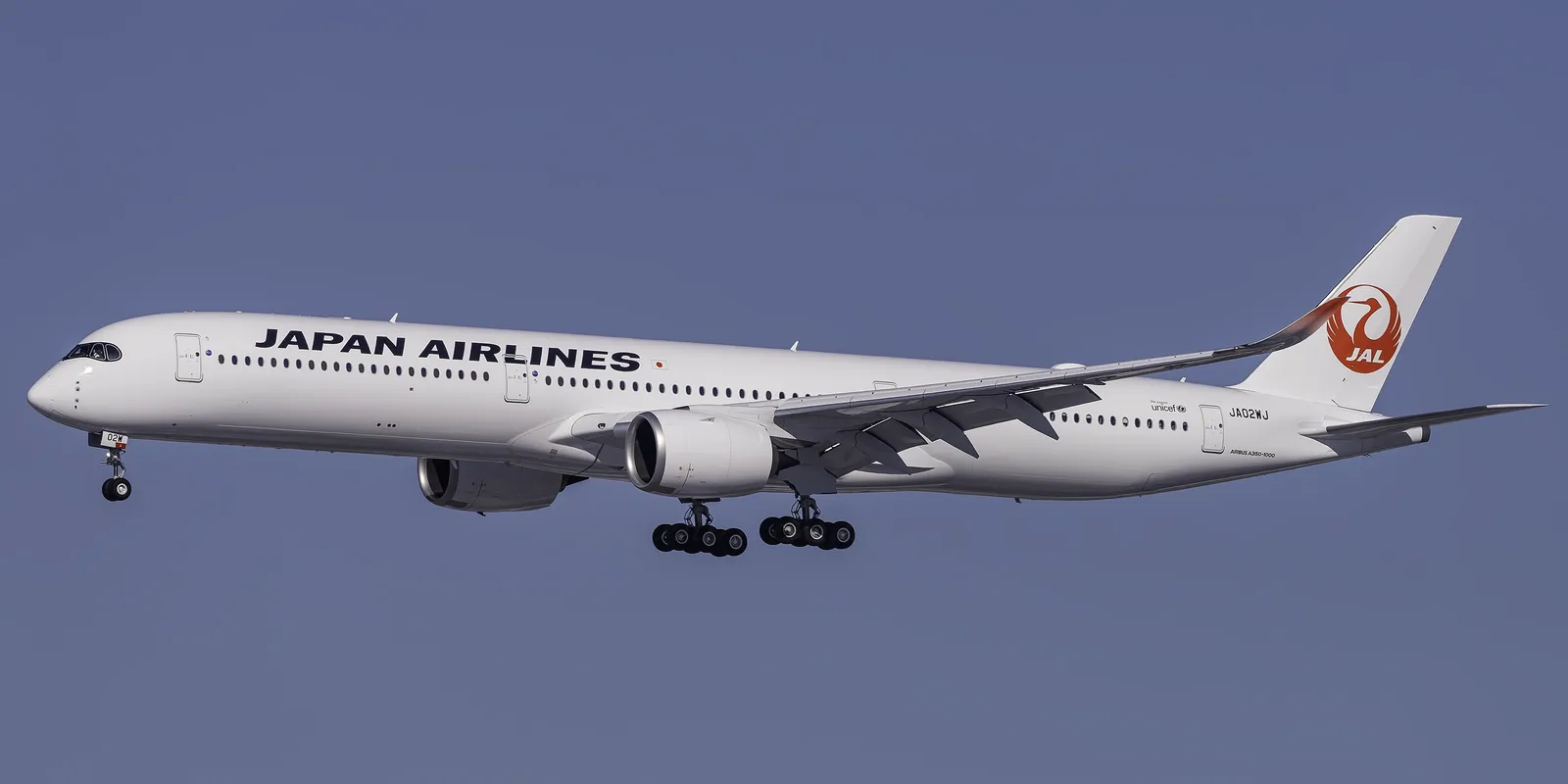
Japan Airlines: A Guide to the Airline Reborn After Its 2010 Bankruptcy
Japan Airlines was founded in 1951 as Japan's flag carrier and in 2010 went through one of the most spectacular bankruptcies in commercial aviation history, with a restructuring led by the state and by manager Kazuo Inamori that drastically downsized the fleet and workforce before the return to the stock market in 2012. A member of oneworld since 2007, it now operates an intercontinental and domestic network from its two Tokyo hubs, Haneda and Narita, comparable to that of rival ANA, with a group that also includes regional carriers such as Japan Transocean Air.
History and positioning
The 2010 bankruptcy remains the decisive turning point in JAL's recent history: enormous debts, an oversized fleet and unprofitable routes pushed the airline into receivership, from which it emerged smaller but stronger, with a cost-management model that became a case study in the industry. Today JAL is growing again, with recent Airbus A350 orders marking a break from its historically almost all-Boeing fleet.
Routes and network
The intercontinental network links Tokyo with the main cities of North America, Europe and Asia, while the JAL group also covers Japan's more delicate regional links through subsidiaries such as Japan Transocean Air for Okinawa. The Haneda hub, more central than Narita for those arriving in Tokyo, has over the years become a competitive strength for JAL on business flights to North America.
The fleet
The fleet combines Boeing 777 and 787 Dreamliner aircraft on long-haul routes with the most recent orders of Airbus A350-900 and A350-1000, gradually earmarked for the flagship intercontinental routes. On short and medium regional routes the group also uses Embraer E170/E190 jets, while the JAL Sky Suite business class on long-haul flights is generally well rated for privacy and comfort.
What passengers say
Most-cited pros:
- Precise, punctual cabin service, in line with Japan's reputation for operational quality.
- Business class praised for its layout with direct aisle access.
- Good handling of connections at the Haneda hub.
Most-cited cons:
- Economy fares not always competitive with Gulf carriers on routes to Europe.
- Fewer premium seats available in high season compared with the demand.
Japan Airlines is a solid choice for anyone flying to Japan who wants punctuality and polished cabin service, particularly in long-haul business class, where the seat layout is among the most appreciated in the industry. It is less suitable for those looking for the absolute lowest fare, where the group's low-cost carriers or the Gulf airlines can be cheaper on some routes. A practical tip: at Haneda the minimum connection times are tighter than at Narita, so it is worth checking them carefully if your flight involves an international connection at this airport.
You might also like...
Aeroitalia: The ITA Airways Lawsuit, the Growing Fleet and What to Expect On Board

Penang International Airport: where to stay, areas and recommended hotels

Golosón International Airport: where to stay, areas and recommended hotels
ITA Airways in 2026: The New Fleet, the Move to Lufthansa and What Passengers Really Say

How long it takes to reach the gate