Cebu Pacific: A Guide to Fares, Fleet and What to Expect On Board in 2026
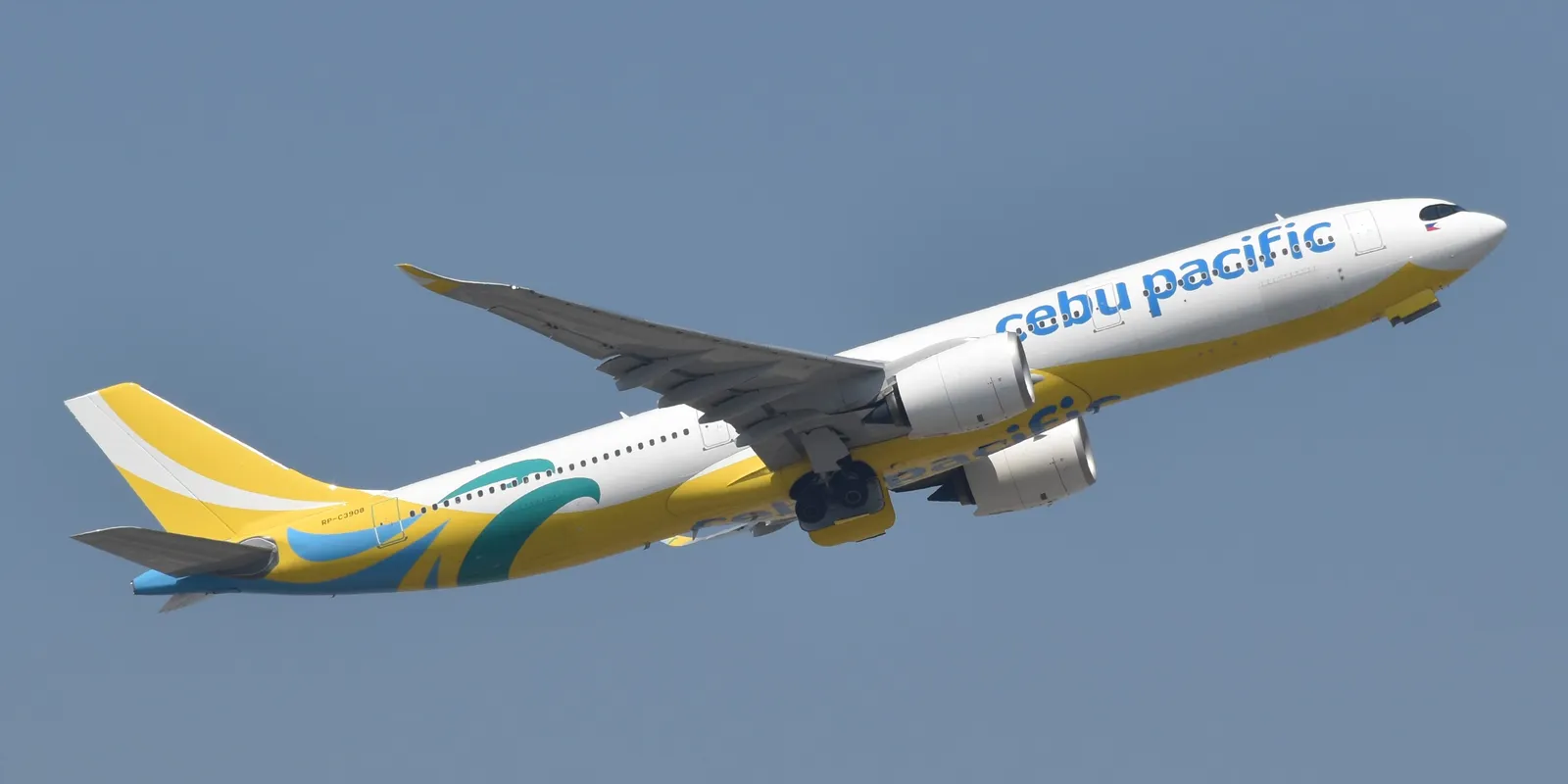
Cebu Pacific is the airline that first introduced low-cost fares in the Philippines in 1996, after being founded in 1988 as a regional carrier: today it is part of the JG Summit group of the Gokongwei family and, with the arrival of its hundredth aircraft in 2025, it has become the largest Philippine airline by fleet and by network of destinations, operating from the two hubs of Manila and Cebu.
History and positioning
Founded in 1988 as a small regional carrier, Cebu Pacific was relaunched in 1996 as the first low-cost airline in the Philippines, a model that successfully copied the growth of the big Asian low-cost carriers. Under the umbrella of the JG Summit group, it has built over the years an extensive presence in the Philippine domestic market, an archipelago where air transport often replaces road or ship transport between the islands, becoming over time the country's leading carrier by number of aircraft.
The fleet
In mid-2025 the fleet counted about 99 aircraft, rising to 100 in July with the arrival of a widebody: specifically 40 Airbus A320s, 26 A321s, 12 long-haul A330s and 22 ATR turboprops for the shorter regional routes. In October 2025 the airline signed an agreement with Airbus and Pratt & Whitney for up to 152 A321neos, a sign of a strategy betting on larger narrowbodies to make better use of the congested airport slots of Southeast Asia.
Routes and network
Cebu Pacific boasts the broadest network among Philippine airlines, with 37 domestic destinations and 26 international ones in Asia, Australia and the Middle East, for more than 3,300 weekly flights on 124 routes in total. The model remains a hub-and-spoke built on Manila and Cebu, with the domestic archipelago as the hard core of traffic and international leisure routes serving as a growth complement.
Fares and baggage
The fare model follows the classic low-cost scheme: the base fare includes only a limited carry-on bag, while checked baggage, seat selection and meals must be purchased separately or through the higher bundle fares. Buying baggage in advance online costs noticeably less than adding it at the airport on the day of departure.
What passengers say
- Recurring praise: breadth of the domestic network, frequency of links between the islands, and competitive starting fares on the busiest routes.
- Most cited issues: delays and cancellations during high season and during typhoons, difficulty reaching customer service, and an overall cost that rises quickly if you add multiple extras.
Cebu Pacific is a sensible choice for those traveling in the Philippine archipelago with flexibility on schedules who want the widest range of direct links between the islands. It is less suitable for those with a tight connection or looking for absolute certainty of punctuality, especially in typhoon season. Buy baggage and a seat at the time of booking: the surcharge paid at the airport on the day of the flight is systematically higher.
You might also like...

Lynden Pindling International Airport: where to stay, areas and recommended hotels

Toncontín International Airport: where to stay, areas and recommended hotels
Azerbaijan Airlines: What Passengers Say About AZAL Comfort and Punctuality
Useful technology for stress-free air travel
TAAG Angola Airlines: The New Fleet and the Route to Lisbon