Cubana de Aviación: Why Flying to Cuba on the Flag Carrier Is a Gamble
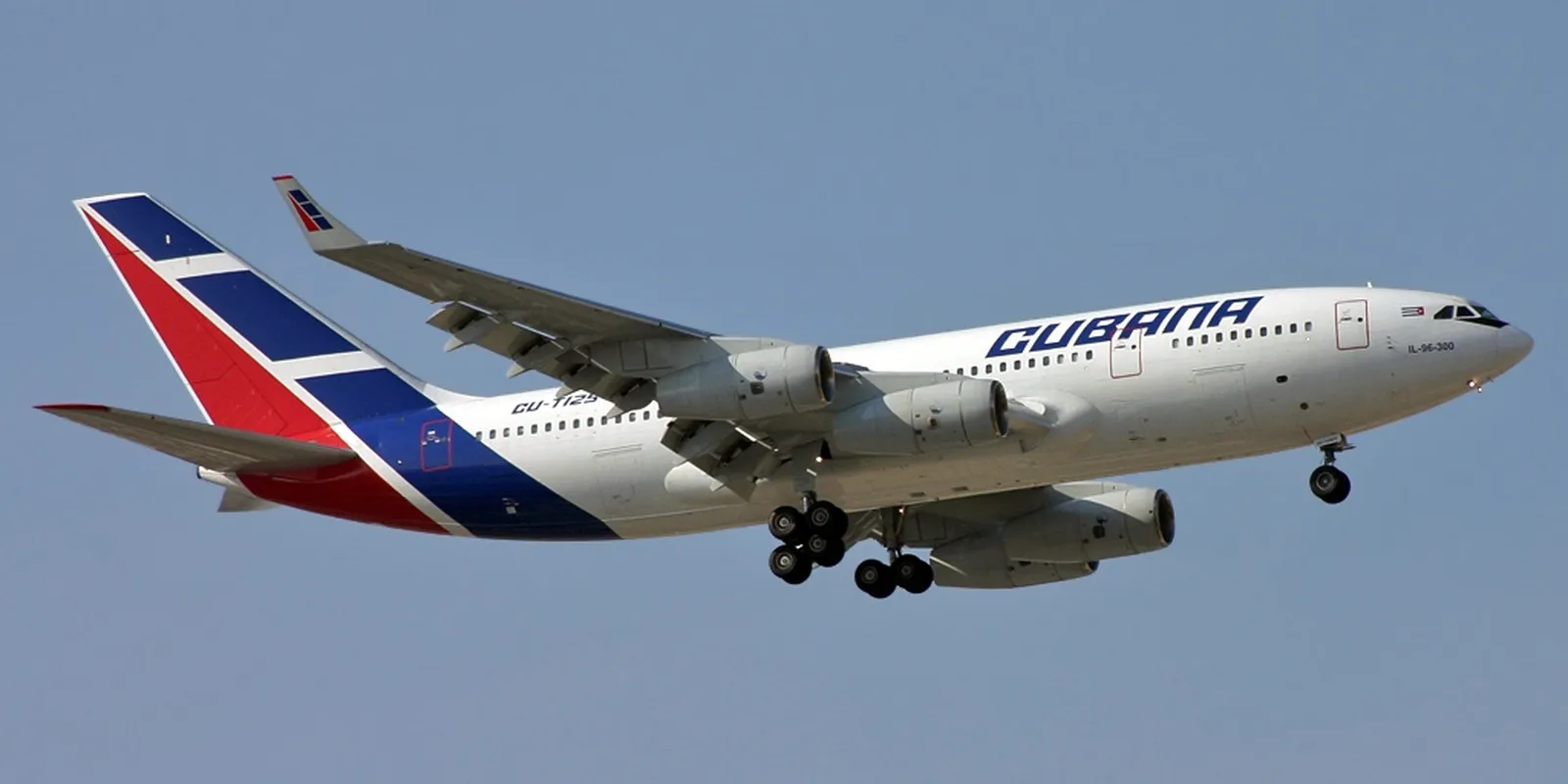
Cubana de Aviación is the flag carrier of Cuba, founded in 1929 and 100% state-owned since 1959. It has its hub at Havana's José Martí International Airport, but the network it serves today is a fraction of its historic one: the US embargo limits access to Western aircraft and spare parts, forcing the airline to depend on an increasingly old Russian and Ukrainian fleet.
From regional carrier to chronically struggling airline
For decades Cubana operated a relatively broad network to Latin America and Europe, but US sanctions and Cuba's economic crisis in recent years have progressively eroded both the fleet and the routes. In 2024 the airline was forced to halt its links with Argentina after it was denied fuel, an episode that sums up well the carrier's everyday operating difficulties.
A fleet of Soviet and ex-Soviet aircraft
The fleet today numbers just 15 aircraft: 4 Ilyushin Il-96-300s, 2 Tupolev Tu-204-100Es (plus one freighter) and 2 ATR 72-200s, to which are added 6 Antonov An-158s grounded since 2018 over maintenance problems that were never resolved. It is one of the oldest fleets among flag carriers still operating, with an average aircraft age that weighs directly on cancellations and delays.
A network cut to the essentials
In January 2025 Cubana operated only two domestic routes and two international ones, to Venezuela and Spain: a drastic contraction from the network that in the past linked much of Latin America. Those who need to fly to or from Cuba today often have to choose between Cubana and a limited number of foreign airlines that still serve Havana.
What travelers really report
Those who have flown recently report:
- Cancellations and reschedulings at very short notice, even on the day of departure.
- Difficulty obtaining refunds in foreign currency.
- Crews described as friendly despite the complicated operating conditions.
Among the most widespread complaints: the almost structural uncertainty about actual schedules, which makes it risky to plan connections or commitments right after arrival.
Cubana makes sense above all for those who need to reach Havana from Madrid or Caracas with no direct alternatives, not for those with tight time constraints. It is the wrong choice for any trip with an important connection right afterward, a cruise with a fixed sailing time or an event with a date that cannot be postponed.
The most useful practical tip: keep your phone reachable and check the flight time in the 24-48 hours before departure, not just at the time of booking — with such a small fleet, last-minute changes are the norm rather than the exception.
You might also like...
Low-cost airlines: how to avoid unnecessary extra fees

Nashville airport lounges: which one to choose by concourse
Swiss International Air Lines: The New Airbus A350 Fleet and the Farewell to the Old A340s

Ayers Rock Connellan Airport: where to stay, areas and recommended hotels
People's Viennaline: The Tiny Austro-Swiss Airline and the Routes It Really Flies
