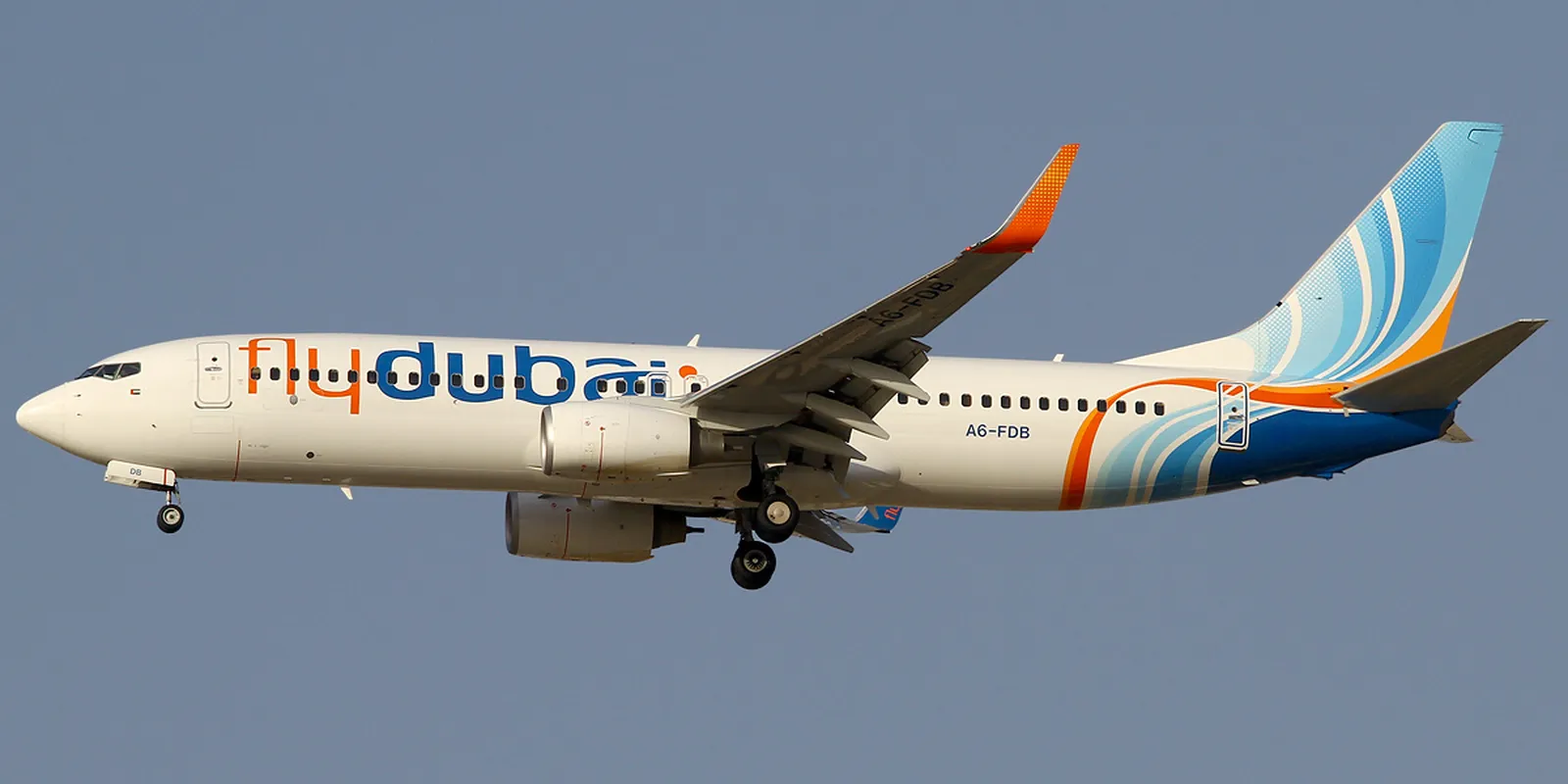
Flydubai: Emirates' Low-Cost Twin That Flies Only Boeing 737s
Flydubai was founded in 2008, also controlled by the Dubai government, with its hub at Dubai International, partly shared with Emirates. Since 2017 the two airlines have operated a broad codeshare and network complementarity agreement, with Emirates focused on long-haul widebody links and flydubai on the short- and medium-haul markets reachable with narrowbodies, often to Eastern European and Central Asian destinations poorly covered by the big carriers.
History and positioning
The flydubai model is a hybrid compared with traditional low-cost carriers: besides unbundled Economy, the airline also offers a Business class on the same Boeing 737s, a rare choice among low-cost airlines and designed to capture both leisure and business traffic on regional routes.
The fleet
The fleet consists entirely of Boeing 737 aircraft, in NG versions and the newer 737 MAX 8: in 2025 seven new MAX 8s were delivered between April and August, bringing the total to 93 aircraft, with five more expected by year-end to exceed 95 aircraft overall.
Routes and network
The network covers more than 135 destinations in 57 countries, with a 2025 expansion of eleven new destinations and four more due by December, including Chisinau, Iași, Vilnius and Riga: particular attention to the Eastern European and Baltic markets that Emirates, with its widebody-only fleet, cannot serve efficiently.
Fares and baggage
Like many hybrid low-cost carriers, the base Economy fare includes neither checked baggage nor a meal, while Business Class on the same 737s offers a fuller product with generous baggage and lounge access, an intermediate solution for those who want more comfort without moving to a widebody carrier.
What passengers say
Travelers who use it for regional routes from Dubai generally describe it as an efficient option for destinations that Emirates does not link directly, with the most frequent criticism tied, as with many low-cost carriers, to the handling of delays in periods of heaviest traffic.
Flydubai is the most sensible choice for anyone who needs to reach a regional destination in Eastern Europe, Central Asia or Africa from Dubai that Emirates does not link with its widebody-only aircraft. It is less suitable for those looking for the premium product expecting the same level as Emirates cabins, because even flydubai's Business Class remains that of a narrowbody, not a widebody. If your itinerary combines an Emirates flight and a flydubai one, always check that the ticket is issued in a single booking, to be entitled to protection in case of a missed connection.
You might also like...

Sørkjosen Airport: where to stay, areas and recommended hotels
People's Viennaline: The Tiny Austro-Swiss Airline and the Routes It Really Flies

Nanchang Changbei International Airport: where to stay, areas and recommended hotels
Aeroitalia: The ITA Airways Lawsuit, the Growing Fleet and What to Expect On Board

Narita lounges: how to find your way between T1 and T2