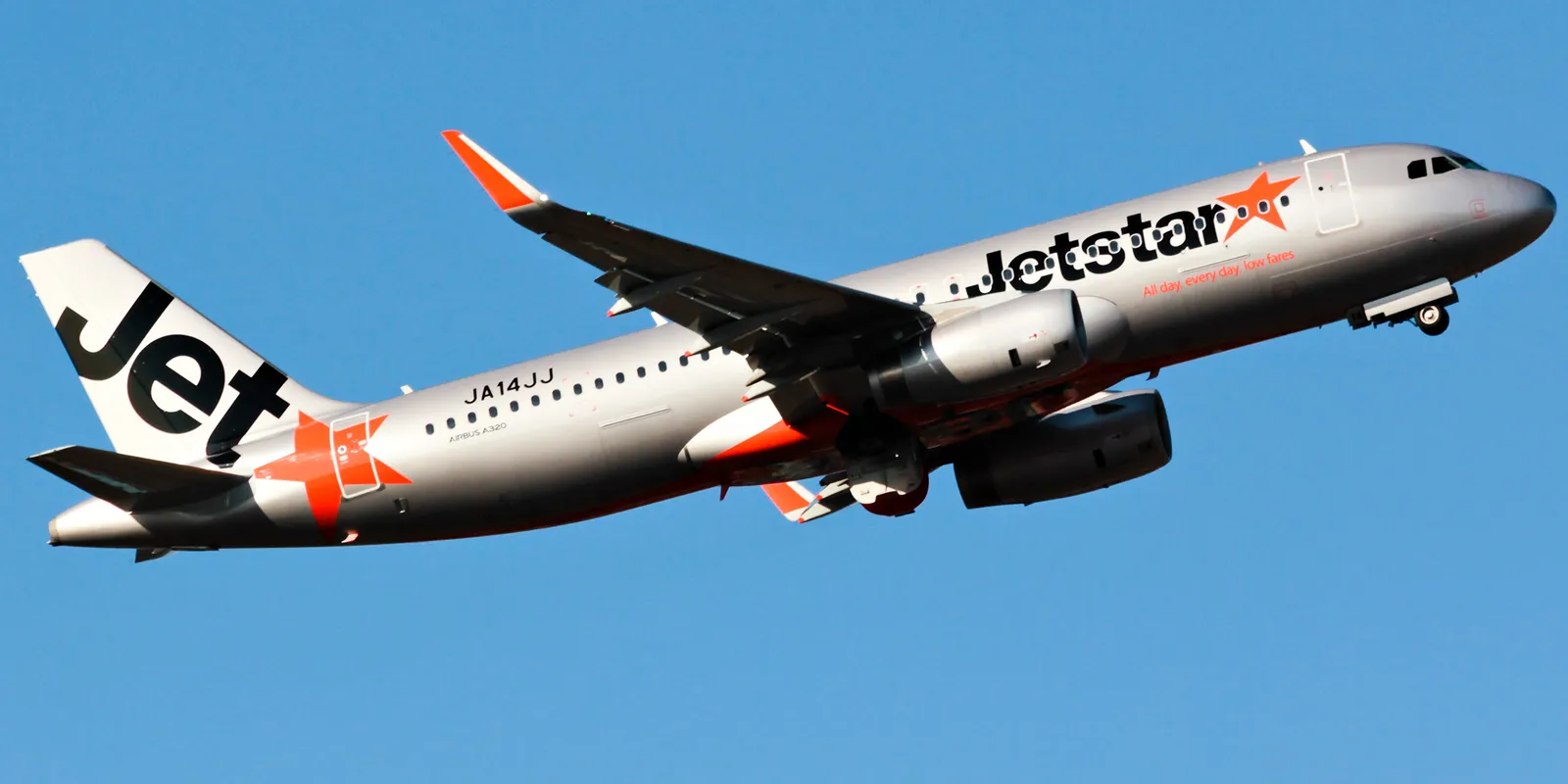
Jetstar Japan: Fares, Baggage and Routes of the JAL and Qantas Low-Cost Carrier
Jetstar Japan is the low-cost airline born in 2012 from a joint venture between Japan Airlines, Qantas (through the Jetstar brand) and Mitsubishi Corporation, with its main base at Narita airport and further operations from Kansai and Chubu Centrair. It operates a uniform fleet of Airbus A320 aircraft on a network that combines Japanese domestic routes with international links to South Korea, Taiwan, Hong Kong, the Philippines and Guam, with a fully unbundled fare model.
History and positioning
Its launch in 2012 brought to Japan the Jetstar model already established in Australia and other Asian markets, at a time when the Japanese domestic market was still dominated by the high fares of the two historic carriers. The mixed JAL-Qantas-Mitsubishi ownership gave the airline access to airport slots and the infrastructure of its partners, a competitive advantage that is far from a given for a new-generation low-cost carrier.
Routes and network
The network covers the main domestic routes between Tokyo, Osaka, Nagoya, Fukuoka, Sapporo and Okinawa, alongside international links to Seoul, Taipei, Hong Kong, Manila and Guam. It is a point-to-point model rather than a pure hub-and-spoke one, with Narita as the most important base for international connections.
Fares and baggage
Like every low-cost airline in the Jetstar group, the base fare includes only the seat and a small carry-on bag; checked baggage, seat selection, meals on board and even larger carry-on sizes are paid extras. The lowest discounted fares also have very strict rules on changes and cancellations, something to consider carefully before booking trips whose plans are not yet final.
What passengers say
The upside:
- Base fares among the lowest on the Japanese domestic market if booked in advance.
- A convenient network for combining several Japanese cities in a single low-cost trip.
The downside:
- Extra charges for baggage and seat selection that add up quickly.
- Greater sensitivity to delays in bad weather than carriers with more operational slack.
Jetstar Japan is the most sensible choice for those who travel light and want the lowest possible price between the Japanese cities it connects, accepting a product stripped of any included services. It is less suitable for those traveling with heavy luggage or needing flexibility on dates, because the cheap fares heavily penalize changes. A practical tip: weigh and measure your carry-on before showing up at the gate, because checks at the boarding gates are frequent and the surcharge paid there always costs more than the one added online when booking.
You might also like...

Taiwan Taoyuan International Airport: where to stay, areas and recommended hotels

Bahamasair: The ATR and Boeing Fleet of the Bahamas' Flag Carrier

Malmö Sturup Airport: where to stay, areas and recommended hotels

People's Viennaline: The Tiny Austro-Swiss Airline and the Routes It Really Flies

Checked luggage: what to know before you leave