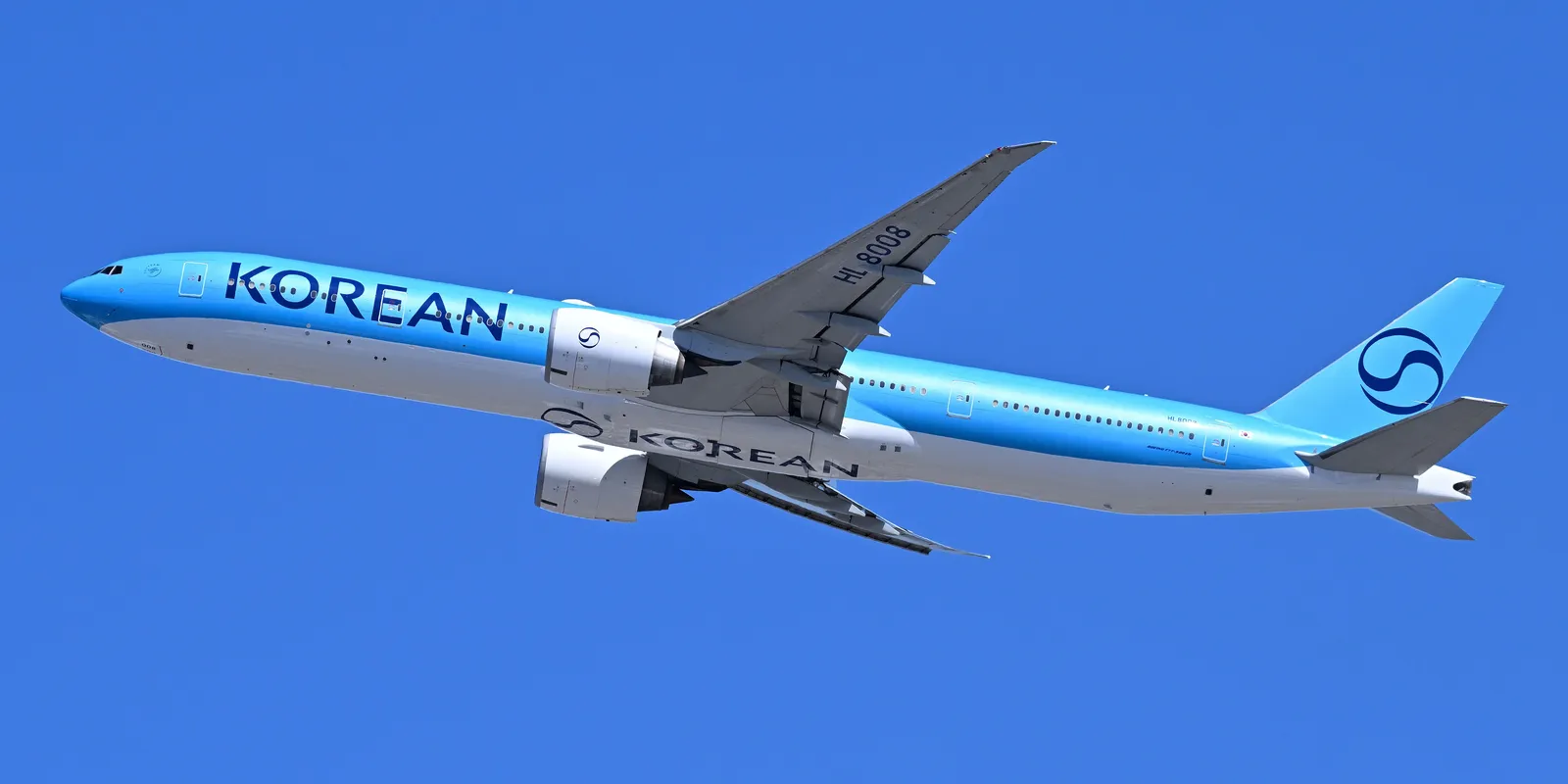
Korean Air in 2026: The Merger with Asiana and the Fleet Becoming a Colossus
Korean Air, with roots going back to 1969, is the leading airline of South Korea and a member of SkyTeam, with its hub at Incheon. 2026 marks a historic turning point: the formal integration with rival Asiana Airlines, set for December 17, which will see Korean Air absorb the fleet, routes and staff of the country's second airline.
History and positioning of a growing carrier
Over the years Korean Air has built a position as the benchmark full-service carrier in East Asia, reinforced by its SkyTeam membership and a broad intercontinental network. The acquisition of Asiana, negotiated for almost five years and approved by the competent authorities with the conditional green light of June 2026, will make Korean Air one of Asia's largest airline groups by fleet and passengers carried.
One of Asia's most varied fleets
The fleet still includes a few passenger Boeing 747-8s, making Korean Air one of the last airlines in the world to operate the type in passenger configuration, alongside Boeing 777-300ERs, Airbus A380s and the newer Airbus A350s, which joined the fleet to renew the long-haul segment. With the absorption of Asiana, its A350-900s and the rival's widebodies will also be added, further widening the variety of aircraft in service in the short term.
Routes and network
From Incheon the network touches the main cities of North America, Europe and Oceania, as well as a dense intra-Asian network to Japan, China and Southeast Asia. Integration with Asiana will bring additional frequencies on routes where the two airlines overlapped, with a rationalization of schedules that the company expects to complete in the months following the formal merger.
What passengers say
- Most praised: the breadth of the intercontinental network, the comfort of the A350 cabins and the business product on flagship flights to the United States.
- Most discussed: frequent flyers' uncertainty about how the Skypass loyalty program will be harmonized with Asiana's during the integration phase.
Korean Air is a solid choice if you fly long-haul from East Asia and want the network breadth of SkyTeam, especially in the coming years when the merger with Asiana will further widen schedule options. It is less suitable, in the immediate term, if you have miles accumulated in the Asiana program and want maximum clarity on the conversion terms, which are still being defined.
If you have a Korean Air or Asiana flight booked straddling December 2026, check the official communications about the merger before departure: flight numbers and departure terminals may change.
You might also like...

Bahamasair: The ATR and Boeing Fleet of the Bahamas' Flag Carrier

Air Caraïbes: A Guide to Flights from Paris to the French Antilles and Guiana

Nadi International Airport: where to stay, areas and recommended hotels

Valladolid Airport: where to stay, areas and recommended hotels

Hanoi airport lounges: how to choose among Noi Bai's rooms