LATAM Argentina: The Local Branch of South America's Largest Airline Group
Part of the Chilean group LATAM Airlines, born as LAN Argentina in 2005 and renamed under the single LATAM brand in 2016, LATAM Argentina operates from the Buenos Aires Aeroparque hub a domestic and regional network that stands alongside that of its fellow Argentine carrier Aerolíneas Argentinas, offering one of the few direct alternatives on many domestic routes.
History and positioning
Born as LAN Argentina in 2005 and renamed under the single LATAM brand in 2016, after the merger of Chile's LAN and Brazil's TAM, LATAM Argentina is part of the Chilean group LATAM Airlines, South America's largest airline group by number of passengers carried. It operates from the Buenos Aires Aeroparque hub a domestic and regional network that stands alongside that of its fellow Argentine carrier Aerolíneas Argentinas, offering one of the few direct alternatives on many Argentine domestic routes. The LATAM group, born from the merger of Chile's LAN and Brazil's TAM, remains today one of the few South American carriers with a direct presence in several countries of the region through separate national subsidiaries.
The fleet
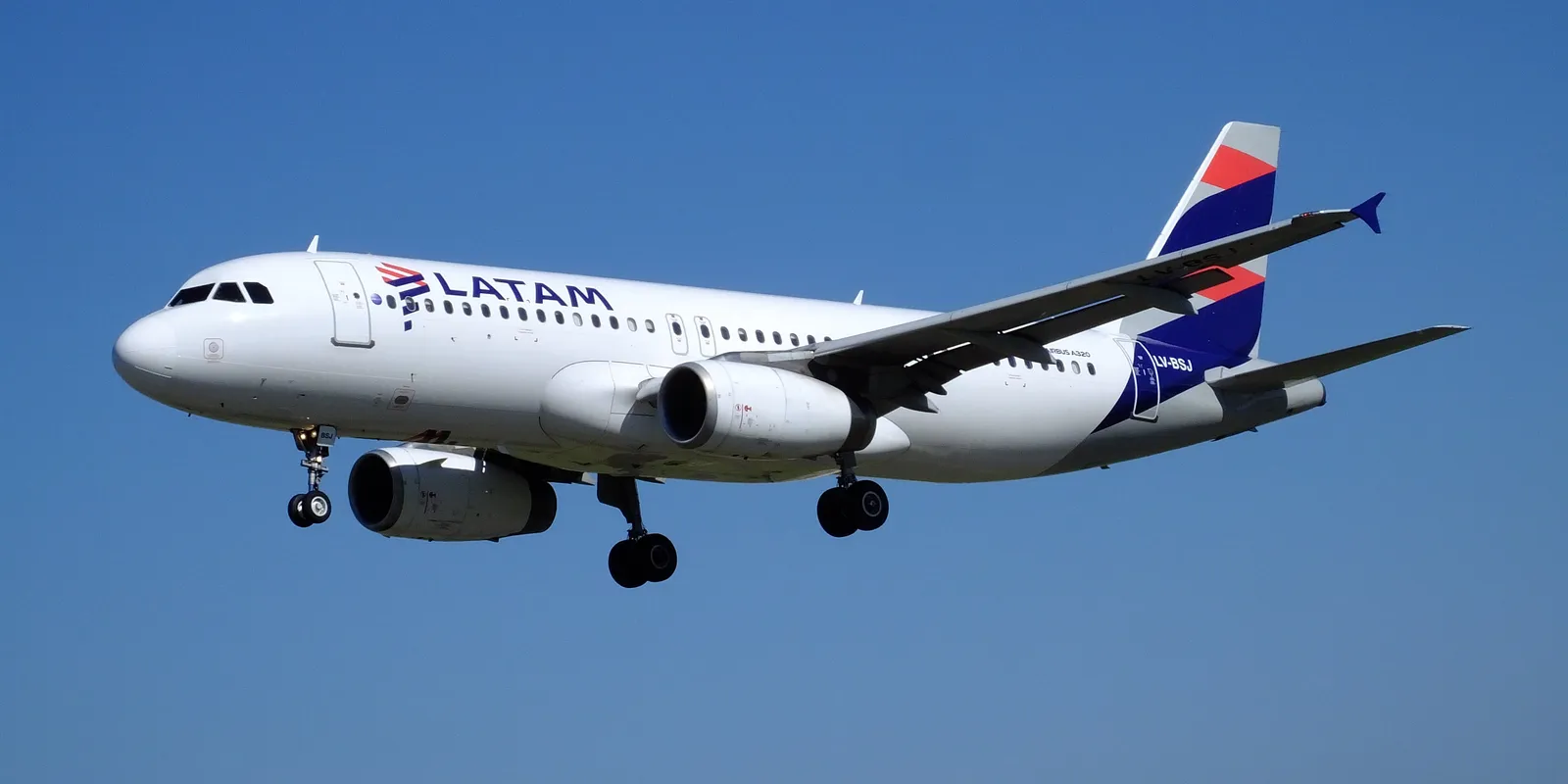
Unlike the mixed fleets of other carriers in the region, LATAM Argentina operates a homogeneous fleet of Airbus A320s, in line with the LATAM group's standard across South America. This uniformity simplifies maintenance and staff training, and allows the group to move aircraft between the various national subsidiaries (Chile, Brazil, Peru, Colombia, Ecuador) with relative operational ease. The homogeneity of the A320 fleet also allows the LATAM group to quickly move aircraft between Argentina and the other national subsidiaries in case of seasonal demand peaks.
Routes and network
The domestic network links Buenos Aires with the main Argentine cities such as Córdoba, Mendoza, Bariloche and Iguazú, while the regional routes integrate with the LATAM network to Chile, Brazil, Peru and Colombia, allowing connections within the same group across South America through the hubs of Santiago and São Paulo. The routes to Santiago de Chile remain among the busiest of the regional network, thanks to geographic proximity and the strong commercial ties between the two countries.
Fares and baggage
The cheaper fares follow a semi-unbundled model: they often exclude checked baggage, which has to be added separately at booking or afterward at a higher cost, while the higher fares include it along with greater flexibility for changes and refunds.
On board and service
On board the A320s service generally consists of a snack or a drink on the shorter domestic routes, while a light meal is provided on the longer regional routes to Chile or Brazil. The premium economy cabin, available on part of the fleet, offers more legroom than standard economy.
What passengers say
Passengers who compare LATAM Argentina with its state-owned rival generally report a simpler online booking experience and a more competitive loyalty program (LATAM Pass) on a regional scale, with more international partners available for earning and using miles. The most positive reviews often concern the digital experience of booking and managing the flight, an area in which the LATAM group has invested significantly in recent years.
- Online booking and app judged simpler than the state-owned competitor's.
- The LATAM Pass loyalty program is useful for those who fly often in South America across several countries.
- A homogeneous A320 fleet that simplifies connections within the group.
- The possibility of accessing LATAM lounges at the main airports with the higher fares.
- Extra fees for checked baggage on the cheaper fares.
- Customer service response times not always quick in case of a canceled flight.
- Base fares less transparent about what is actually included.
- A smaller presence on direct intercontinental routes than the state-owned competitor.
LATAM Argentina suits those who fly often between Argentina and the rest of South America and want to earn miles in a broad regional loyalty program. It is less advantageous for those who travel with a lot of luggage and want the lowest possible fare, given the extra cost for the hold. Always check what is included in the fare you choose at the time of booking: the difference between LATAM's fare classes can be significant.
You might also like...

Bahamasair: The ATR and Boeing Fleet of the Bahamas' Flag Carrier

Florø Airport: where to stay, areas and recommended hotels

Ashgabat Airport: where to stay, areas and recommended hotels
Aeroitalia: The ITA Airways Lawsuit, the Growing Fleet and What to Expect On Board

Turbulence on planes: how to handle it calmly