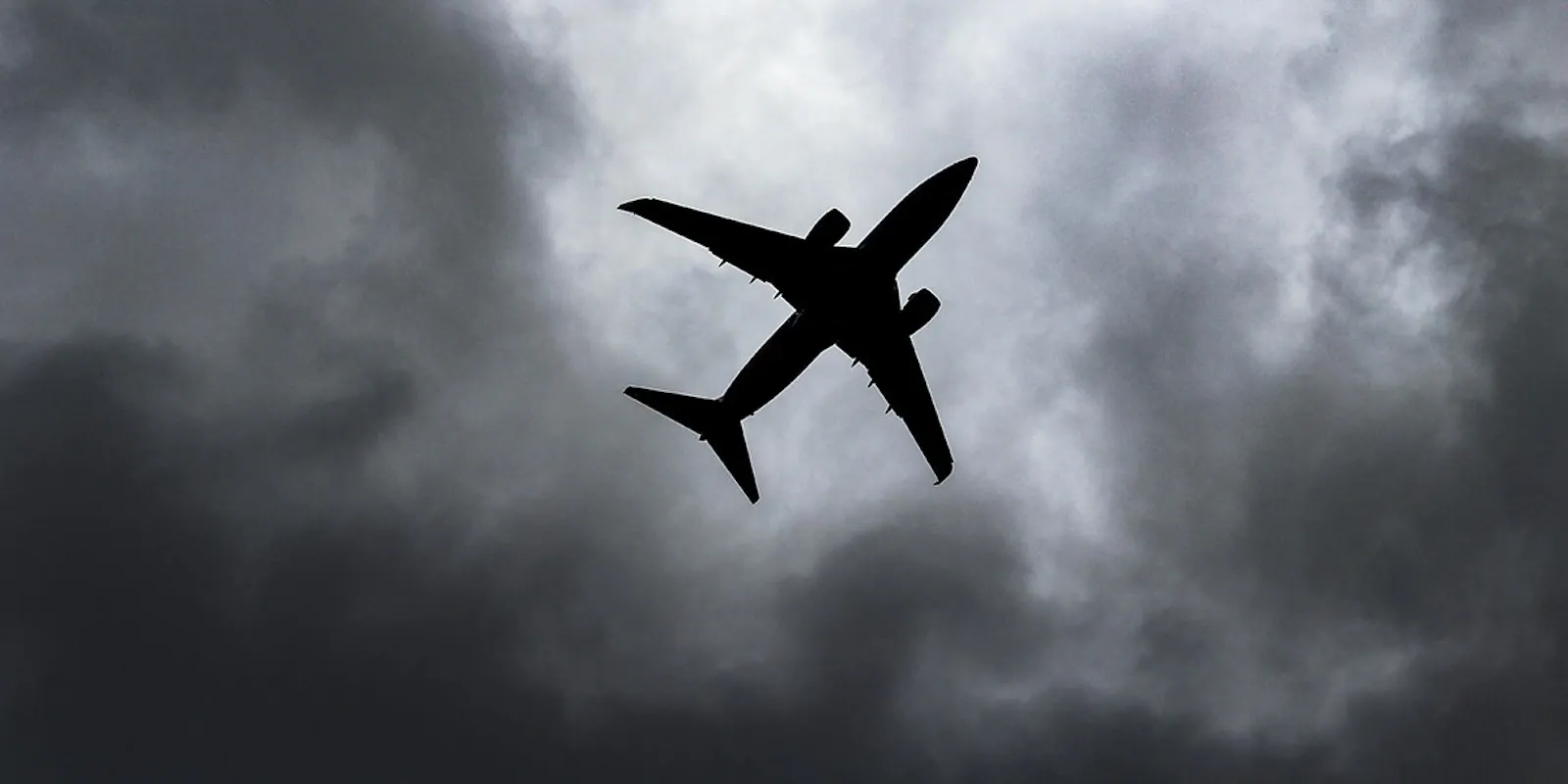
Turbulence on planes: how to handle it calmly
Between 2009 and 2023 the FAA recorded only 37 passengers with serious injuries caused by turbulence in the United States: nearly all did not have their seatbelts fastened.
The structure is not the problem
The wings of a commercial aircraft are designed to flex: it is an intentional mechanism, not a sign of failure. During certification tests of the Boeing 787, technicians bent the wings upward by approximately 7.6 metres from the ground position, applying 150% of the most extreme load the aircraft will ever encounter in service. The most violent turbulence remains well below that threshold, which is why no modern commercial aircraft has ever been lost to structural causes related to turbulence.
How (and when) turbulence can be predicted
Part of the turbulence is predictable: airlines cross meteorological data with PIREPs, reports transmitted by other crews after crossing an unstable area on the same route. When this information indicates a risk area, pilots turn on the seatbelt sign before entering it, often with several minutes' notice.
Clear air turbulence is the most difficult case: it is generated by wind variations at altitude without clouds or visible phenomena, so it escapes the aircraft's meteorological radar and is identified mainly afterwards, through reports from those who have already crossed it. This is why, even in clear skies, the seatbelt should remain fastened when seated.
The real risk factor is the unsecured body
The FAA figure on 37 serious injuries in 14 years isolates the real risk factor: not turbulence itself, but the body not restrained to the seat when it strikes. The vast majority of injuries involve people standing, in the aisle or just leaving the bathroom; among seated and belted passengers, serious injuries remain an exception. Those who live with a more structured anxiety about flying can find numbers and support options in this in-depth article.
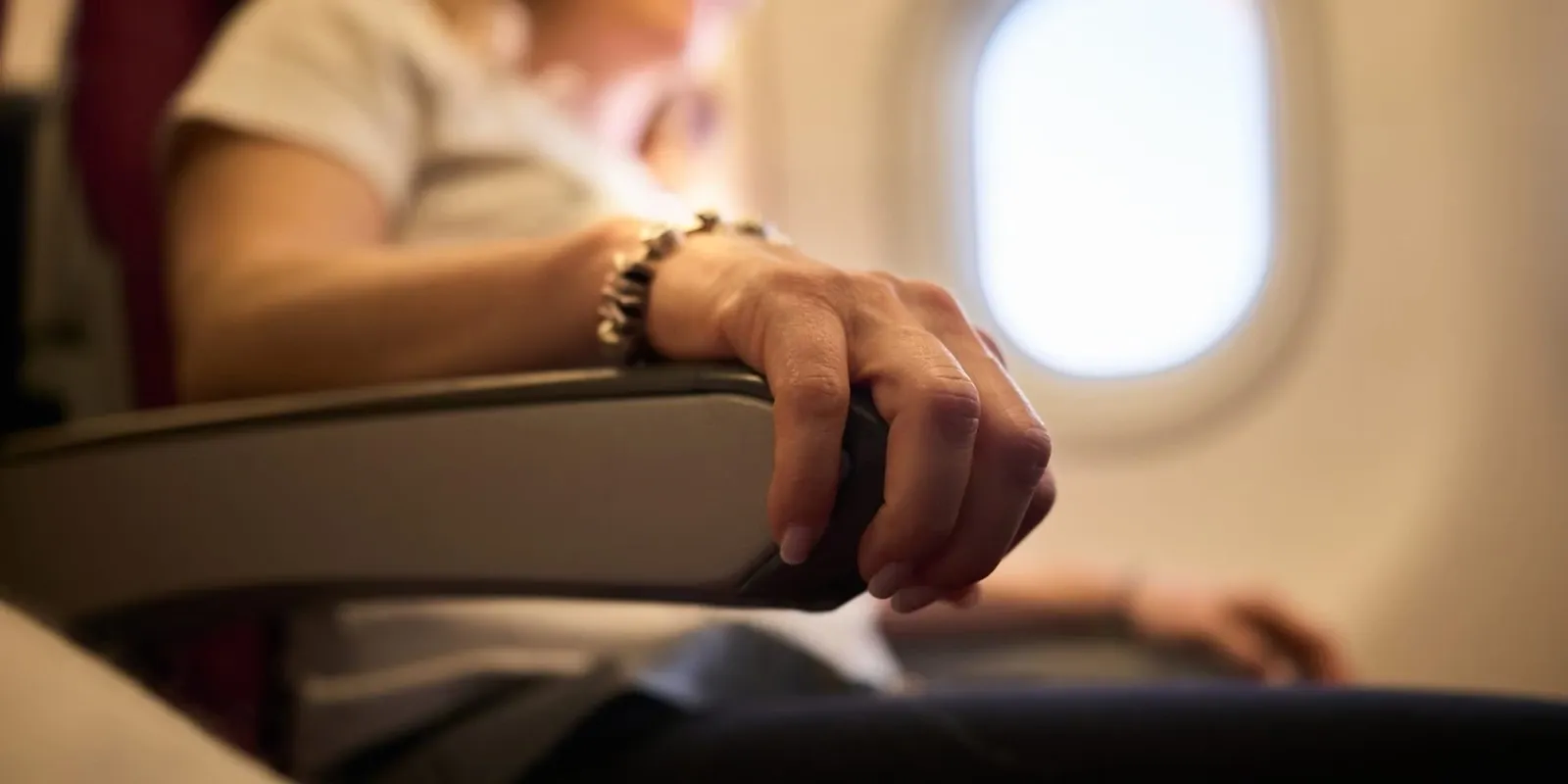
Keep your seatbelt fastened every time you are seated, even with the sign off: it is the only measure that really reduces the risk of injury in case of sudden turbulence.
You might also like...

Salzburg Airport: where to stay, areas and recommended hotels
What to do during a many-hour flight
How to sleep better during a flight

Alcantarí International Airport: where to stay, areas and recommended hotels
Calm Air, from Northern Manitoba to Nunavut: What You Need to Know