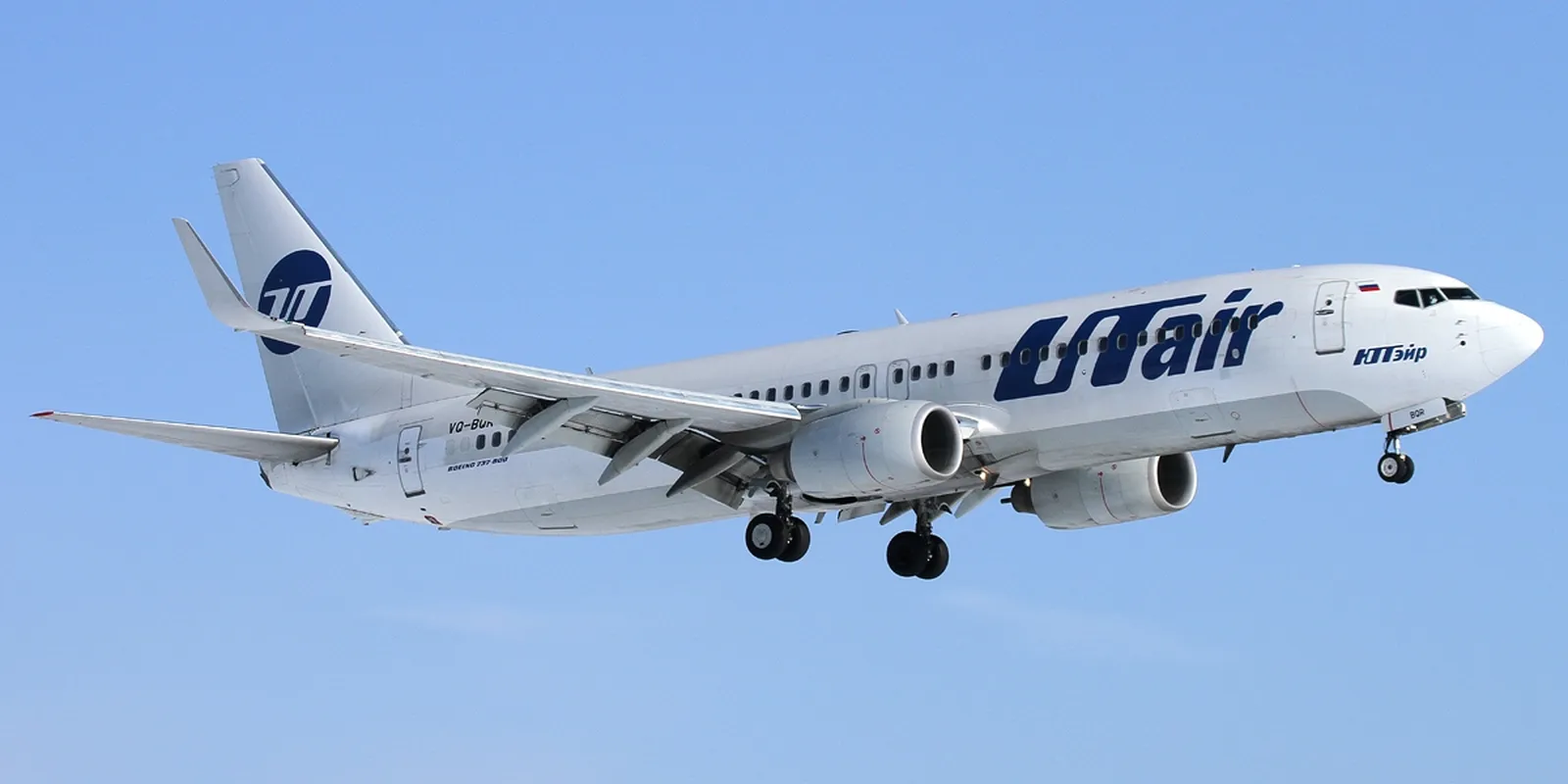
UTair: From Western Siberian Helicopters to Scheduled Flights Across Russia
UTair descends from the Aeroflot directorate of Tyumen, created in 1967 to support the oil and gas industry boom in western Siberia; it became an autonomous airline in 1991 as Tyumenaviatrans and took the name UTair in 2002. It is mainly based at Moscow-Vnukovo with a historic hub at Surgut, and stands out from other Russian carriers for a dual nature: scheduled passenger flights and one of the largest civil helicopter fleets in the world.
The fleet
The fixed-wing component counts about 60 aircraft, including Boeing 737s for scheduled routes and ATR 72s on regional lower-demand legs. The helicopter fleet, on the other hand, exceeds 300 units, one of the largest in the world in the civil sector, used for passenger and cargo transport in remote Siberian regions and for specialized missions supporting the energy sector.
History and positioning
Unlike S7 or Ural Airlines, born as regional offshoots of Aeroflot designed for pure passenger transport, UTair has maintained from its origins a close link with the Siberian energy industry, for which it operates charters and specialized links supporting oil and gas platforms. This dual identity — scheduled carrier and charter/helicopter operator — makes it an atypical case in the Russian landscape.
Routes and network
Scheduled links touch Moscow, Surgut and numerous Siberian cities, with an offering designed more for internal connectivity than for international tourism. The helicopters, on the other hand, operate on unscheduled or on-call routes, often to places without conventional airport infrastructure, a service that remains central to the region's energy economy.
What passengers say
Reviews on Russian portals about UTair concern almost exclusively short-haul scheduled flights, with ratings average for the Russian domestic sector. There is no comparable base of Western reviews, given the almost entirely domestic and specialized nature of the helicopter operation, which in practice is never rated by international portals.
UTair is useful mainly for travelers who need to reach Siberian cities served by scheduled flights or, in a professional context, those who need helicopter connections to remote energy-industry sites; it is not an option designed for an international tourist looking for a network to Europe. If you are booking a scheduled flight, it is worth checking the departure airport well in advance: Vnukovo and Surgut are not interchangeable, and a mistake when booking online is a real risk on a network that operates largely in Cyrillic.
You might also like...
Brussels Airlines: What Passengers Say About the Belgian Carrier of the Lufthansa Group

Nashville International Airport: where to stay, areas and recommended hotels

Chief Dawid Stuurman International Airport: where to stay, areas and recommended hotels
Azerbaijan Airlines: What Passengers Say About AZAL Comfort and Punctuality

How and when to move during a long flight