Belgium: main airports
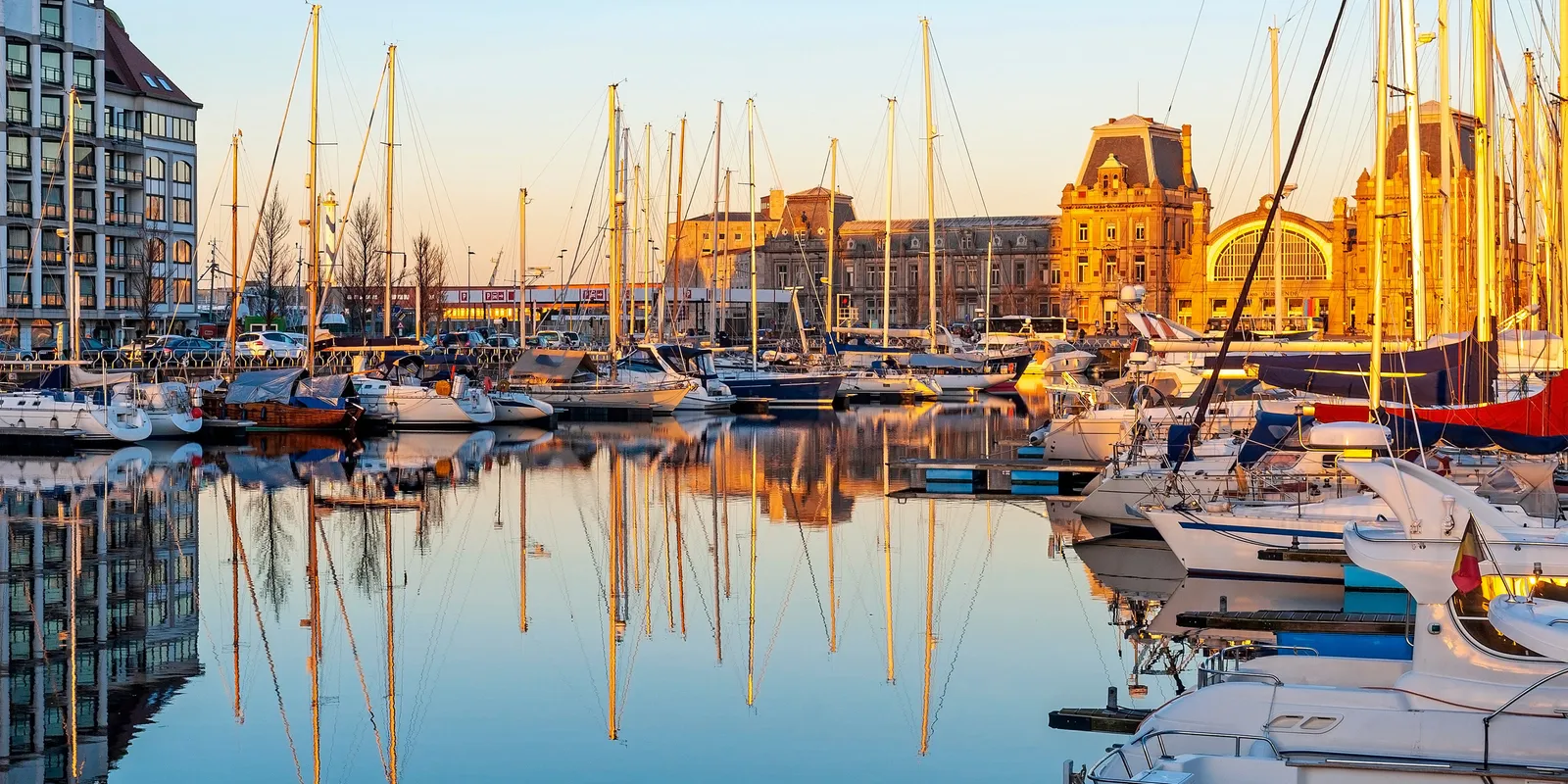
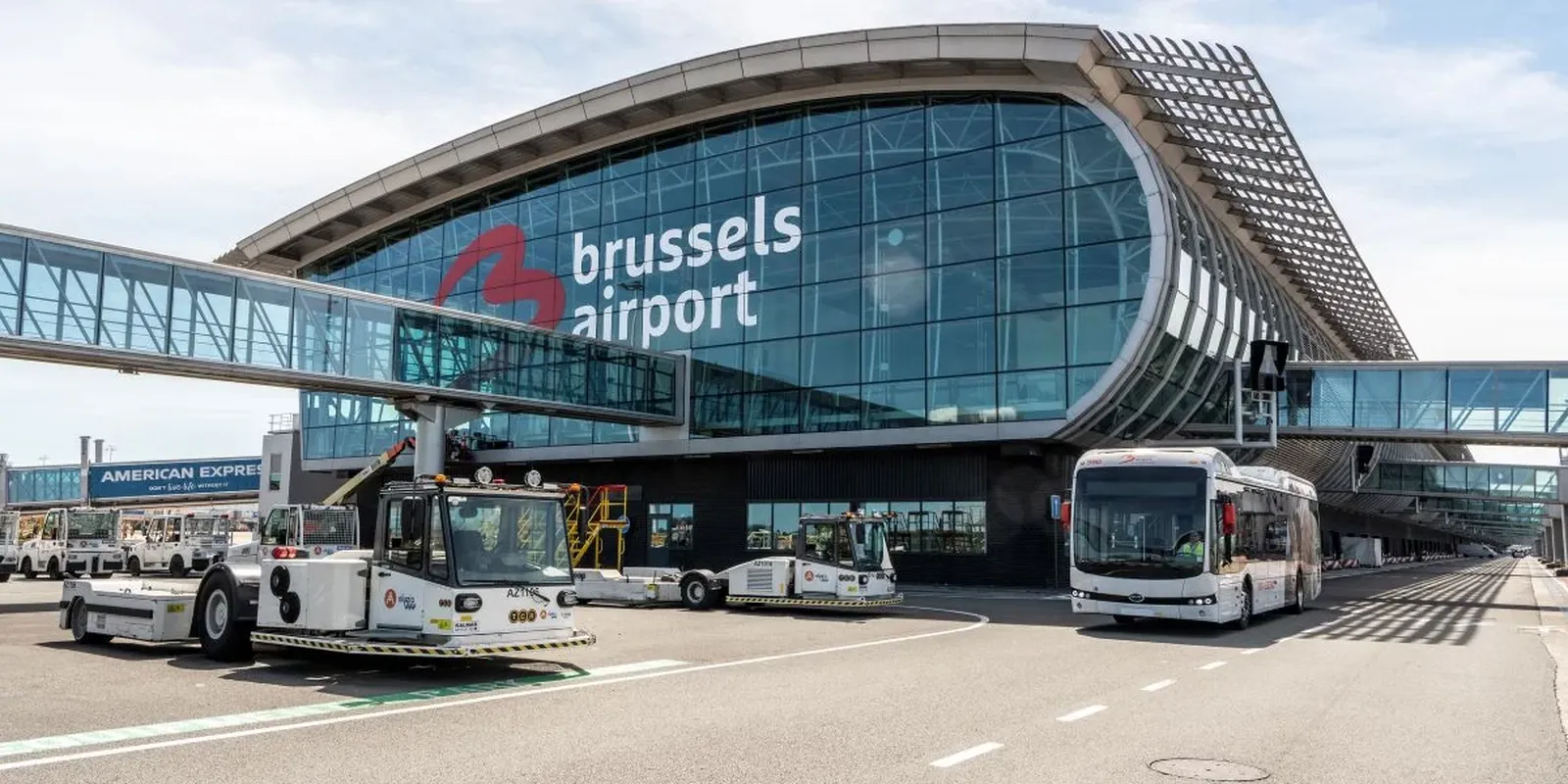
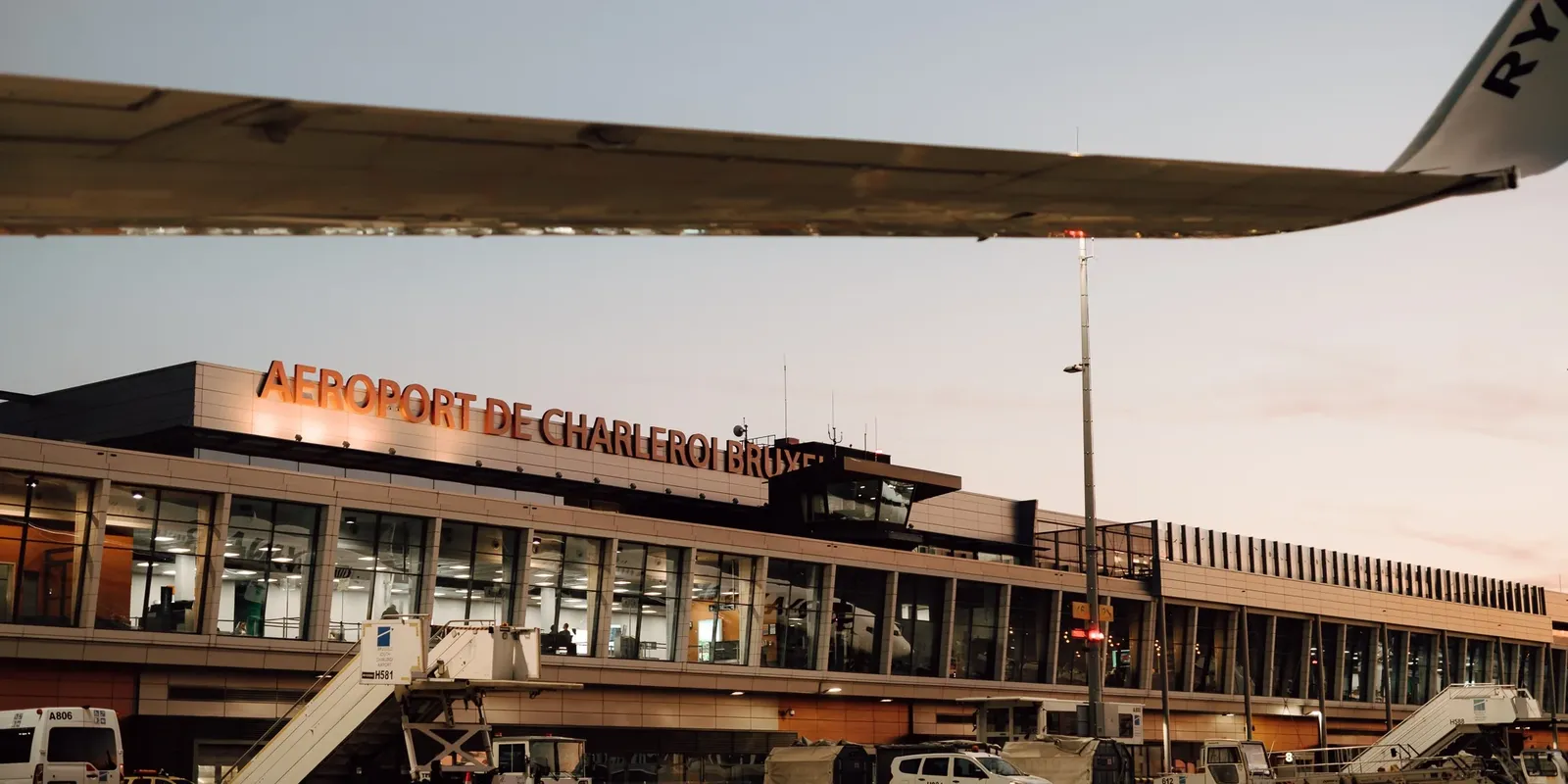
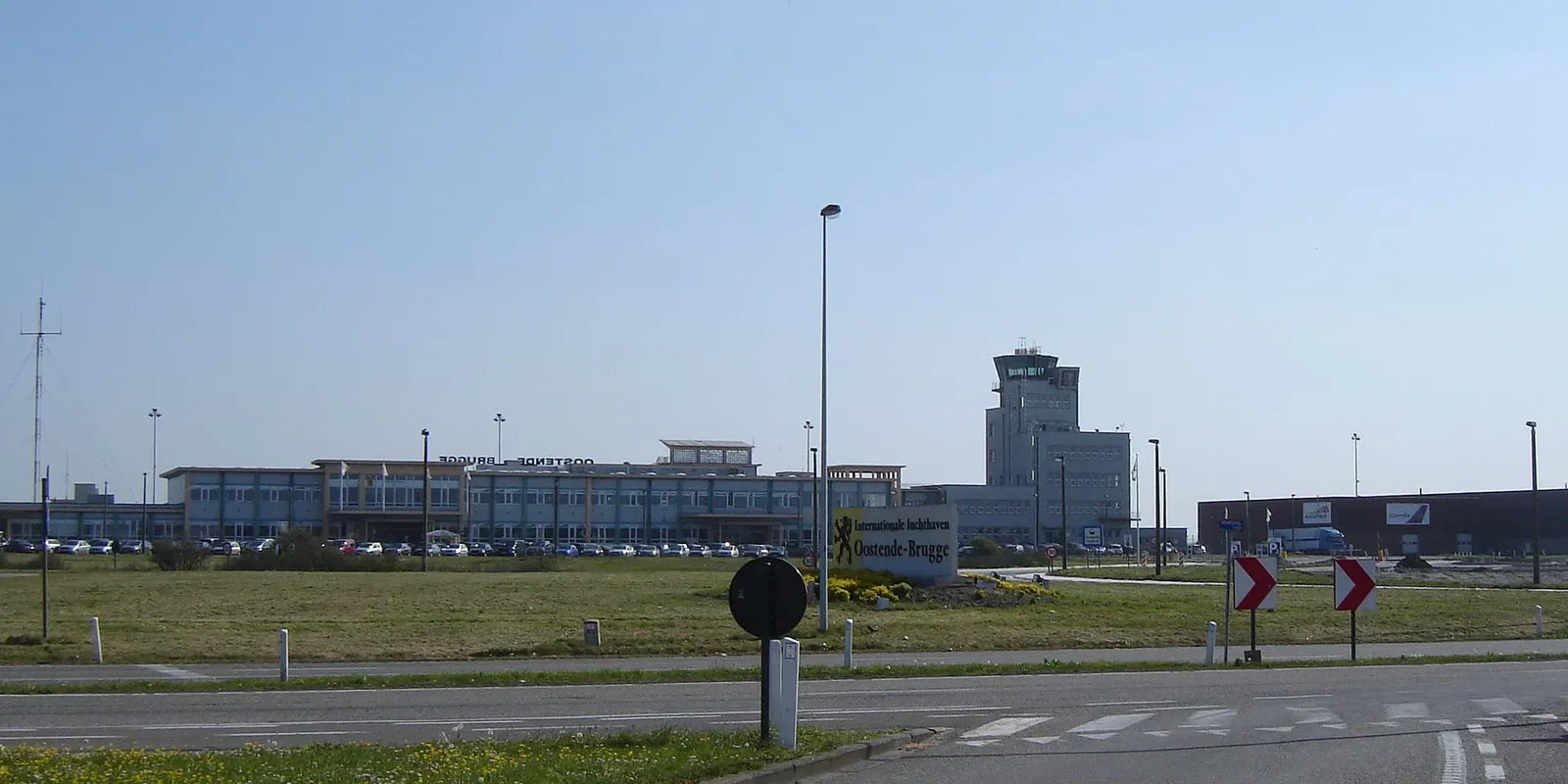
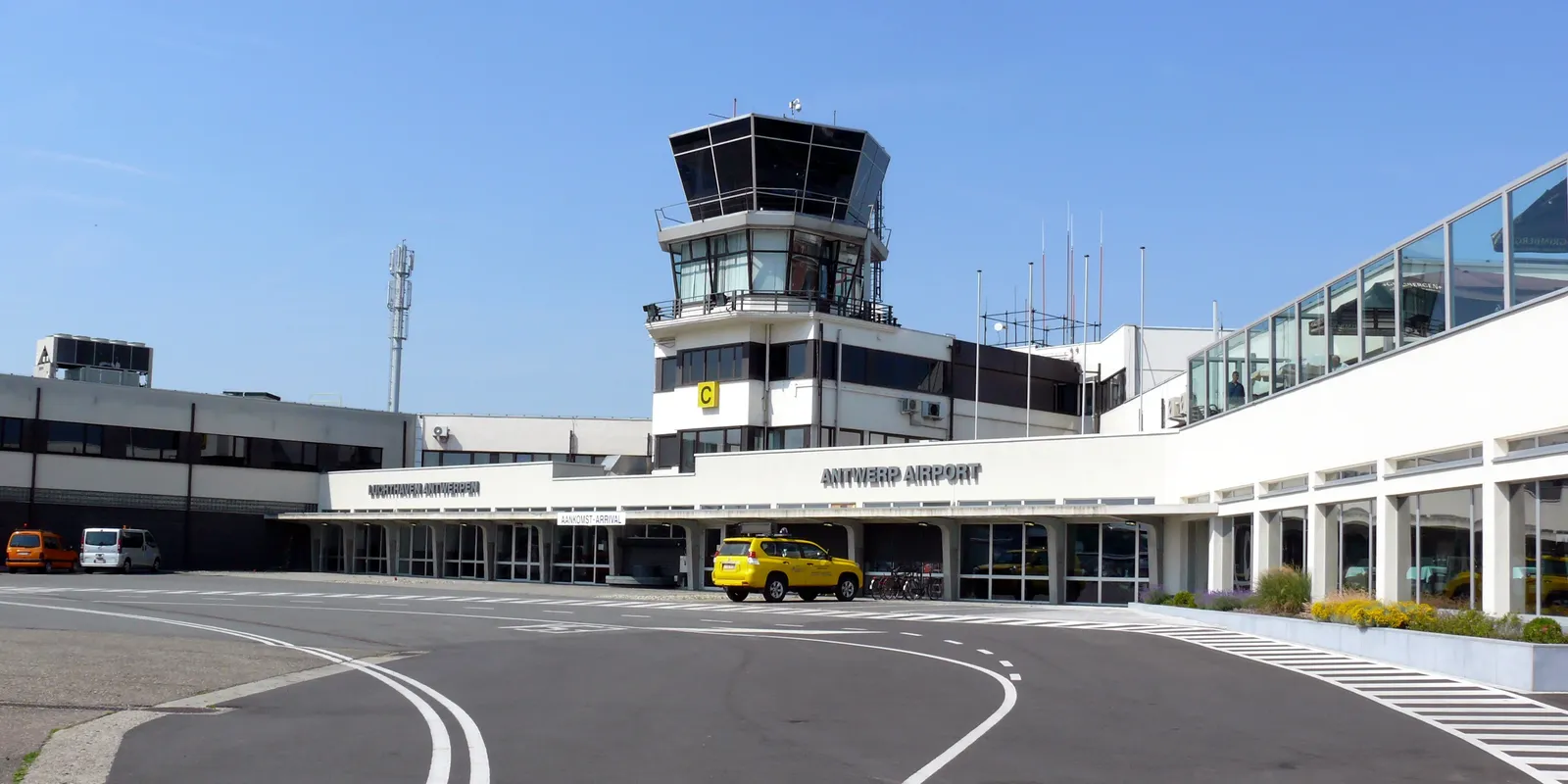
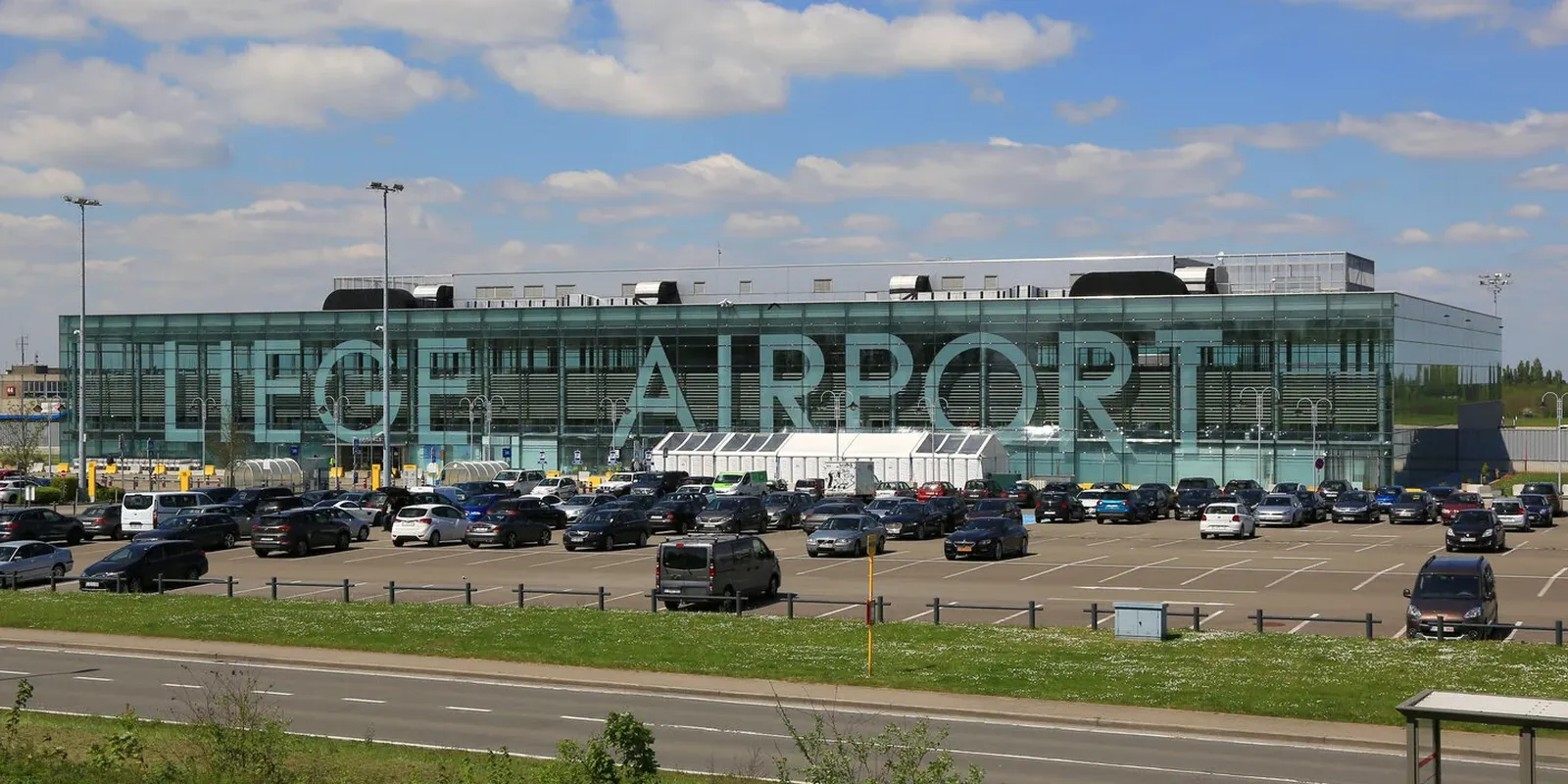
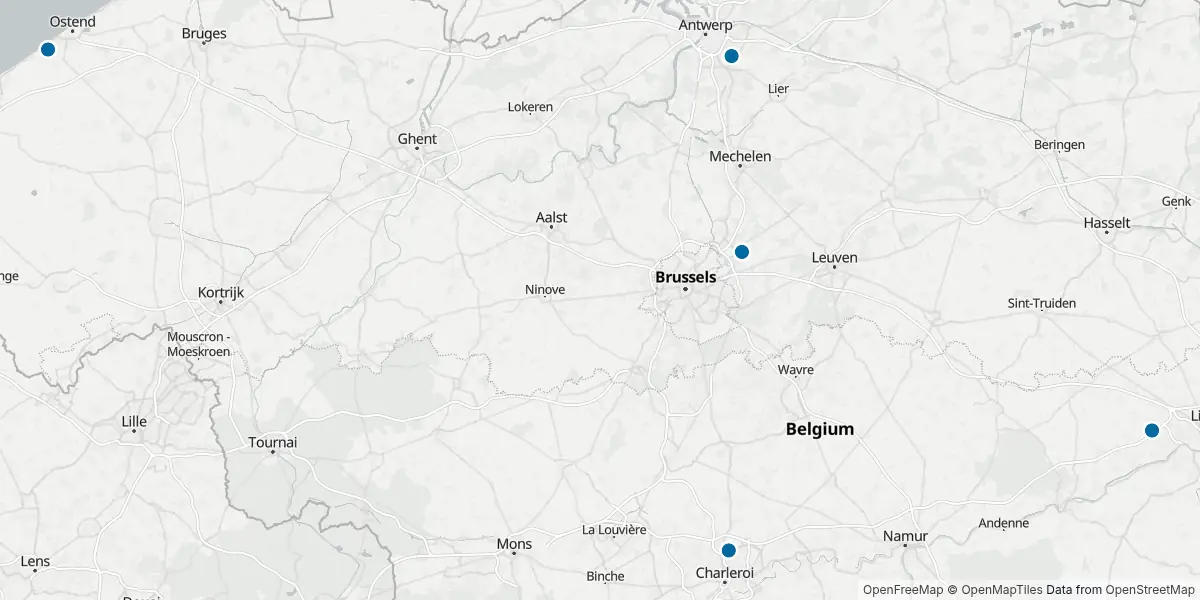
Belgium has five airports with international connections. The main one is Brussels Airport; followed by Brussels South Charleroi (actually about 55 km from Brussels, a reference base for Ryanair), Antwerp, Liège (mostly cargo-oriented) and Ostend-Bruges, on the North Sea coast.
Belgium: recommended activities
Belgium: visa and entry requirements
Belgium is part of the Schengen area: EU citizens enter freely with an ID card or passport, while non-EU citizens (United Kingdom, United States, Canada, Australia and many other nationalities) do not need a visa for tourist stays of up to 90 days in a 180-day period. From the fourth quarter of 2026, ETIAS is due to come into force, an online travel authorisation to apply for before departure for non-EU citizens currently exempt from a visa: check the latest activation status before organizing your trip.
Belgium: safety
Belgium is generally safe for tourists, with common crime comparable to the Western European average: the usual precautions against pickpocketing in crowded areas (stations, public transport) are sufficient. As in other major European cities, some outlying districts of Brussels require greater attention at night.
Belgium: health situation
No vaccination is required to enter the country. The Belgian healthcare system is among the most efficient in Europe; for EU citizens, the European Health Insurance Card (EHIC) covers urgent care in public hospitals, while other visitors are advised to take out travel insurance with medical coverage.
Belgium: currency, payments and connectivity
The currency is the euro. Credit cards and contactless payments are widely accepted everywhere, often preferred to cash. Uber and Bolt operate in the main cities. For connectivity, the operators Proximus, Orange and Base (Telenet) sell prepaid SIM cards, widely available also in supermarkets. For driving, EU citizens use their national licence; others generally also need an International Driving Permit (IDP).