Costa Rica: main airports
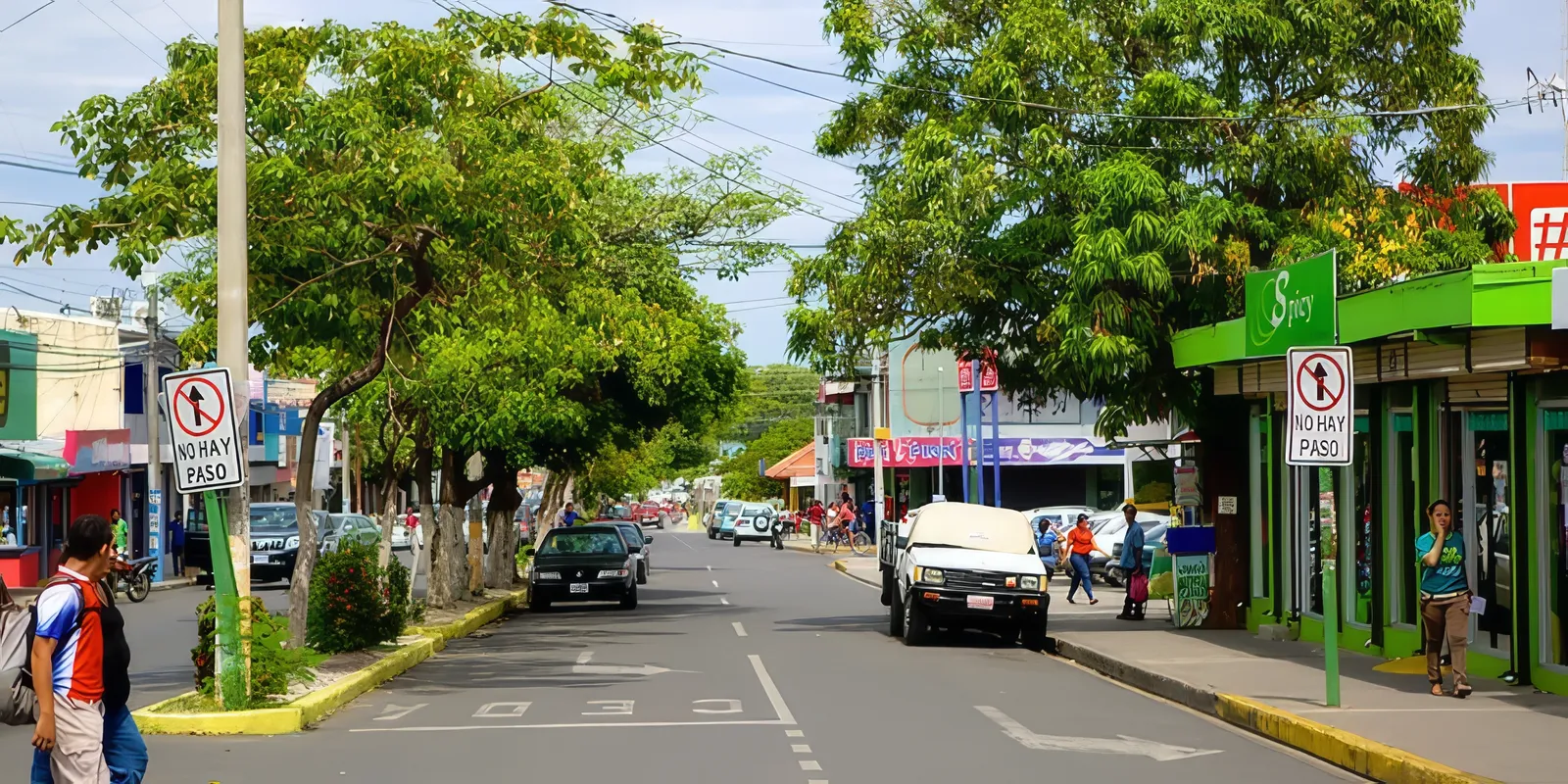
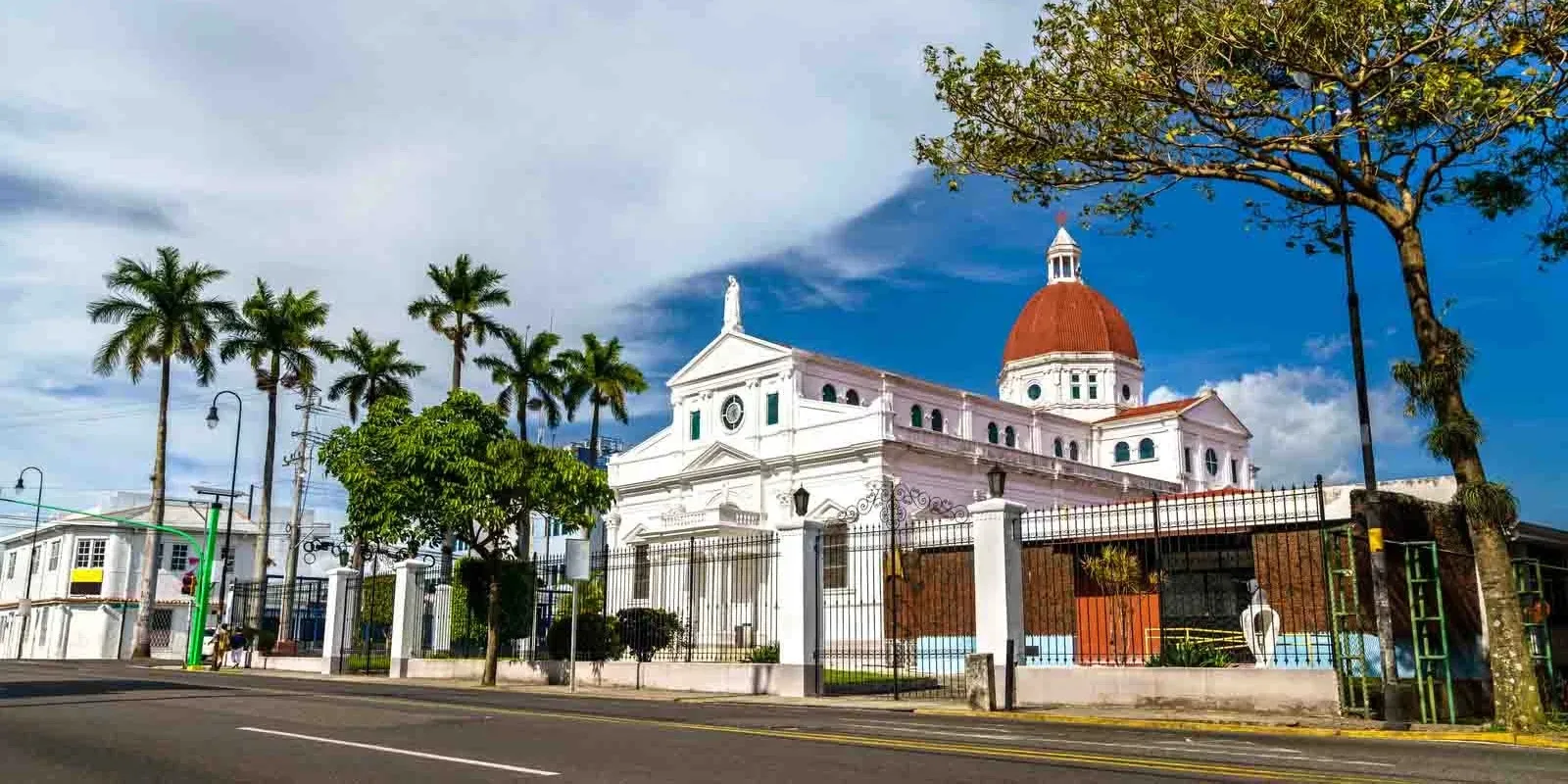
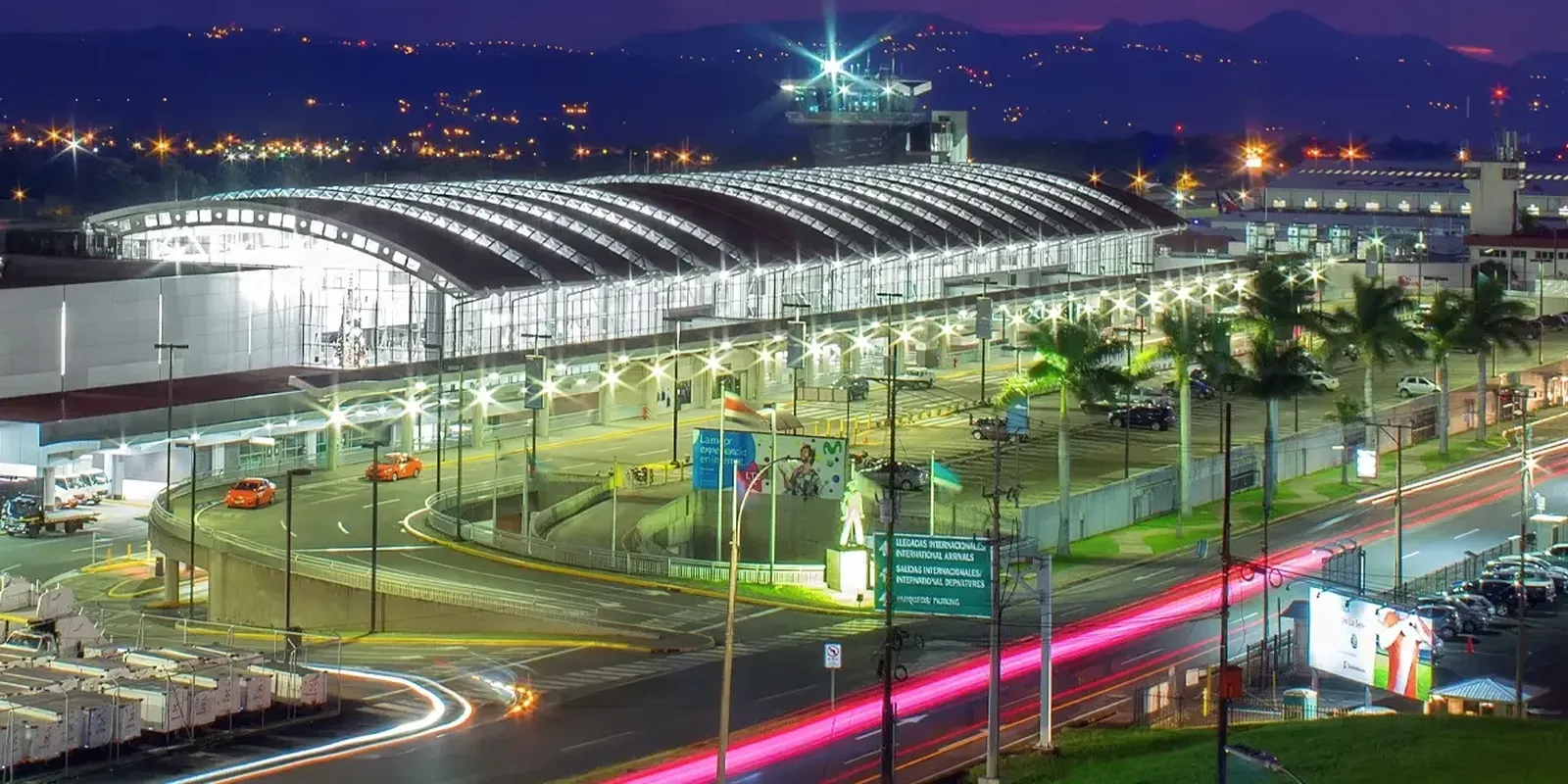
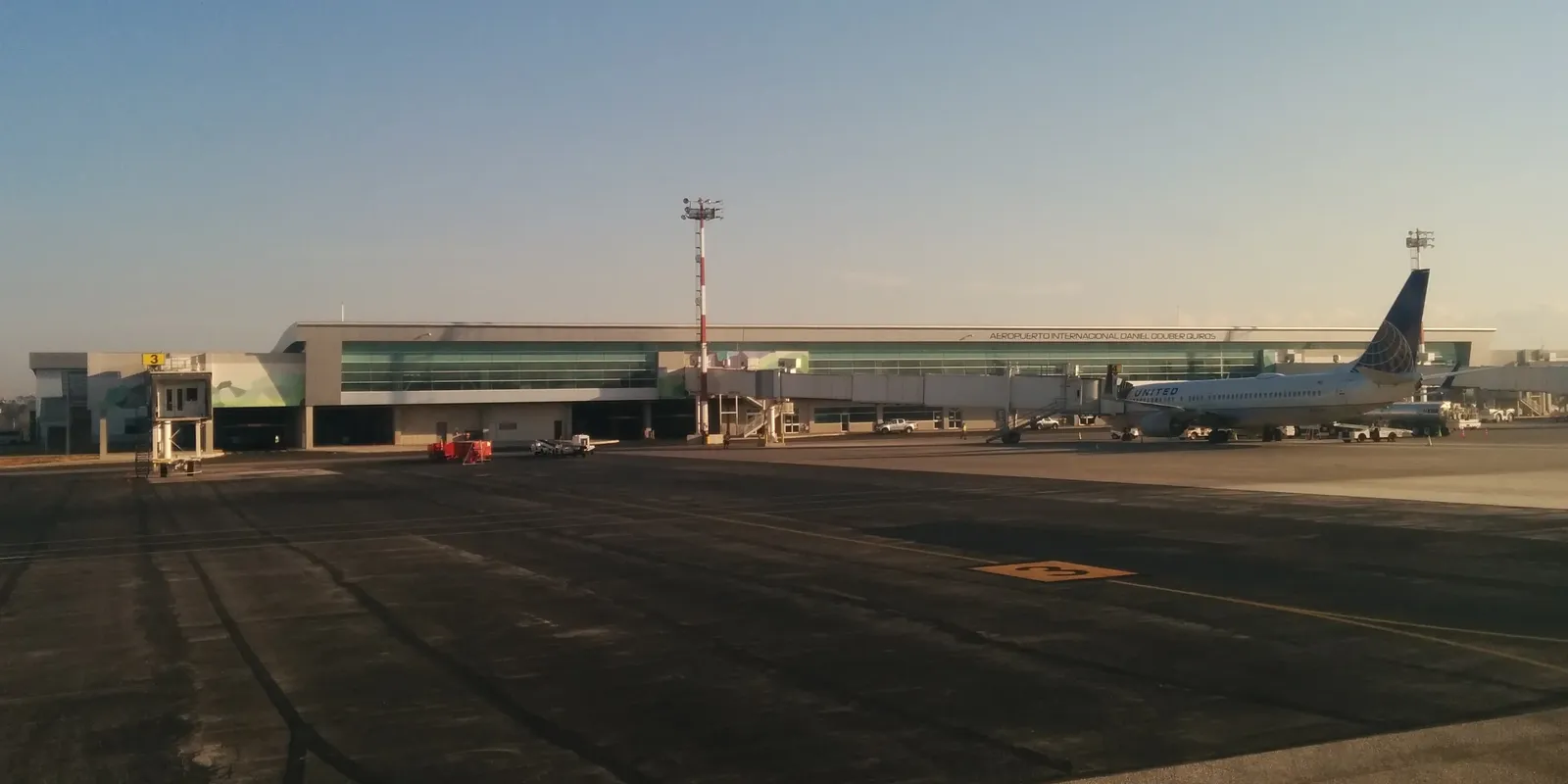
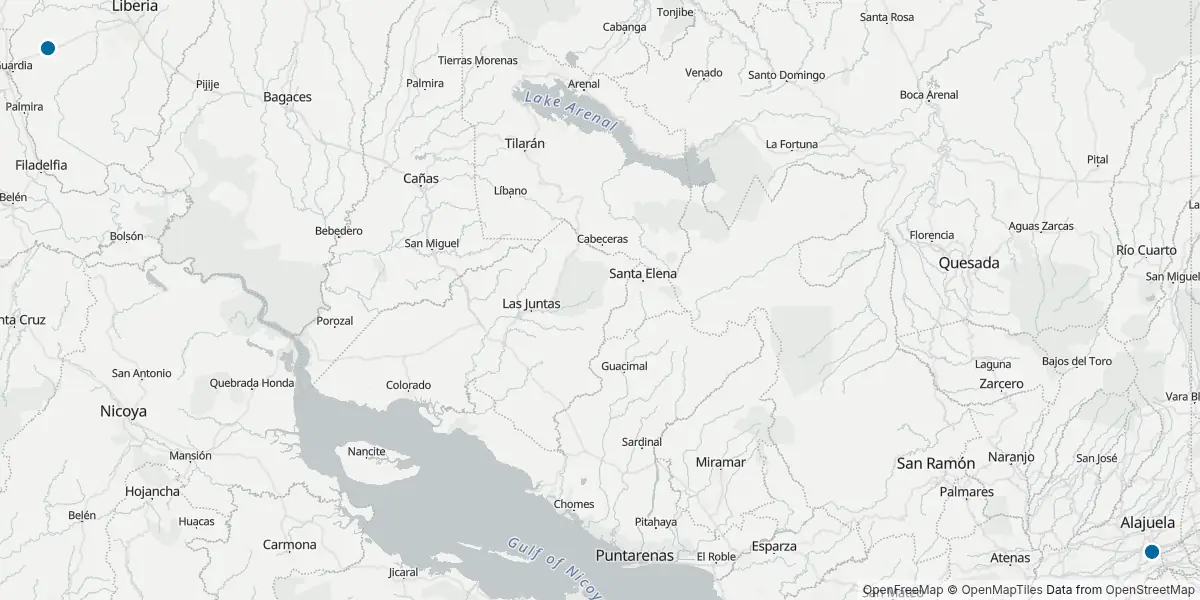
Costa Rica has two main international airports: San José Airport, the capital, and Liberia Airport, a direct gateway to the northern Pacific coast and the Nicoya Peninsula.
Costa Rica: recommended activities
Costa Rica: visa and entry requirements
Most nationalities (European Union, United Kingdom, United States, Canada, Australia) do not need a visa for tourist stays, generally up to 90 days (up to 180 depending on the exemption system, at immigration's discretion). The passport must have at least 6 months of remaining validity; proof of onward travel is required.
Costa Rica: safety
Costa Rica is among the safest and most stable countries in Latin America, but opportunistic petty theft is common, especially in downtown San José at night, around bus terminals, on isolated beaches after sunset and in non-touristy urban areas. The main causes of incidents among visitors more often involve traffic, sea conditions (some Pacific beaches have dangerous currents) and uncertified tours rather than crime: find out about beach safety flags before swimming.
Costa Rica: health situation
No vaccination is mandatory for those arriving from Europe. Dengue risk is present, especially during the rainy season: mosquito protection is recommended. San José's health facilities are of a good standard, among the best in the region; travel insurance with medical coverage nonetheless remains good standard practice, especially for those doing adventure activities (rafting, zip-lining, surfing).
Costa Rica: currency, payments and connectivity
The currency is the Costa Rican colón (CRC, about 520 per US dollar); the US dollar is widely accepted throughout the tourist circuit (Tamarindo, La Fortuna, Manuel Antonio, Monteverde), often on the same footing as the local currency. Credit cards are widely accepted. Uber operates in the main cities and tourist areas, together with official red taxis (identifiable by colour) with a meter (María). For connectivity, the operators Kolbi, Movistar and Claro sell prepaid SIM cards. For driving, an International Driving Permit (IDP) is generally also required alongside the national one.