
San José: pre-Columbian gold and nearby volcanoes
Often considered merely a transit point to Costa Rican national parks, San José actually houses museum collections that tell the country's pre-Columbian history better than any other city.
The center can be comfortably explored on foot in a single day.
The day begins beneath the Plaza de la Cultura, where the Museum of Pre-Columbian Gold, entirely underground, displays over fifteen hundred artifacts of gold created by indigenous Costa Rican cultures before the arrival of the Spanish.
Right above, marble and frescoes imported from Europe thanks to the wealth of the coffee trade still decorate the National Theater, the most sumptuous building of the capital since the late nineteenth century.
Just a few blocks away, the Central Market, a labyrinth of covered corridors active since 1880, offers spices, local coffee and sodas where you have lunch on gallo pinto and casado.
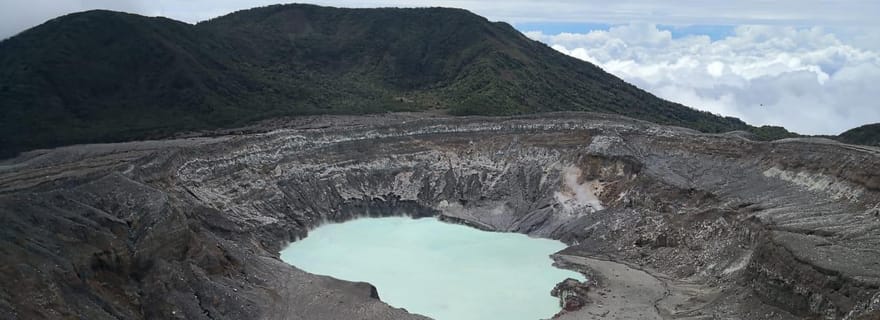
In the afternoon it's worth leaving the city: in about an hour and a half by car you reach the volcanoes Poás and Irazú, both still active, with craters that host steaming acidic lakes.
Those who visit Poás early in the morning have a better chance of seeing the crater without clouds: in the afternoon, mist rises nearly every day and can completely hide the acidic lake below.
The coffee served at Central Market stalls is often still roasted in small batches in back rooms, following a method the country has exported to the world since the nineteenth century.
Guided tours and experiences in San José

Related articles

You might also like...
Liberia: the gateway to Costa Rica's Guanacaste
Managua: what to see in 1 day

Kunsan Air Base: where to stay, areas and recommended hotels

Burgas Airport: where to stay, areas and recommended hotels
Brussels-Zaventem lounges, pier by pier: which ones you can get into