Egypt: main airports
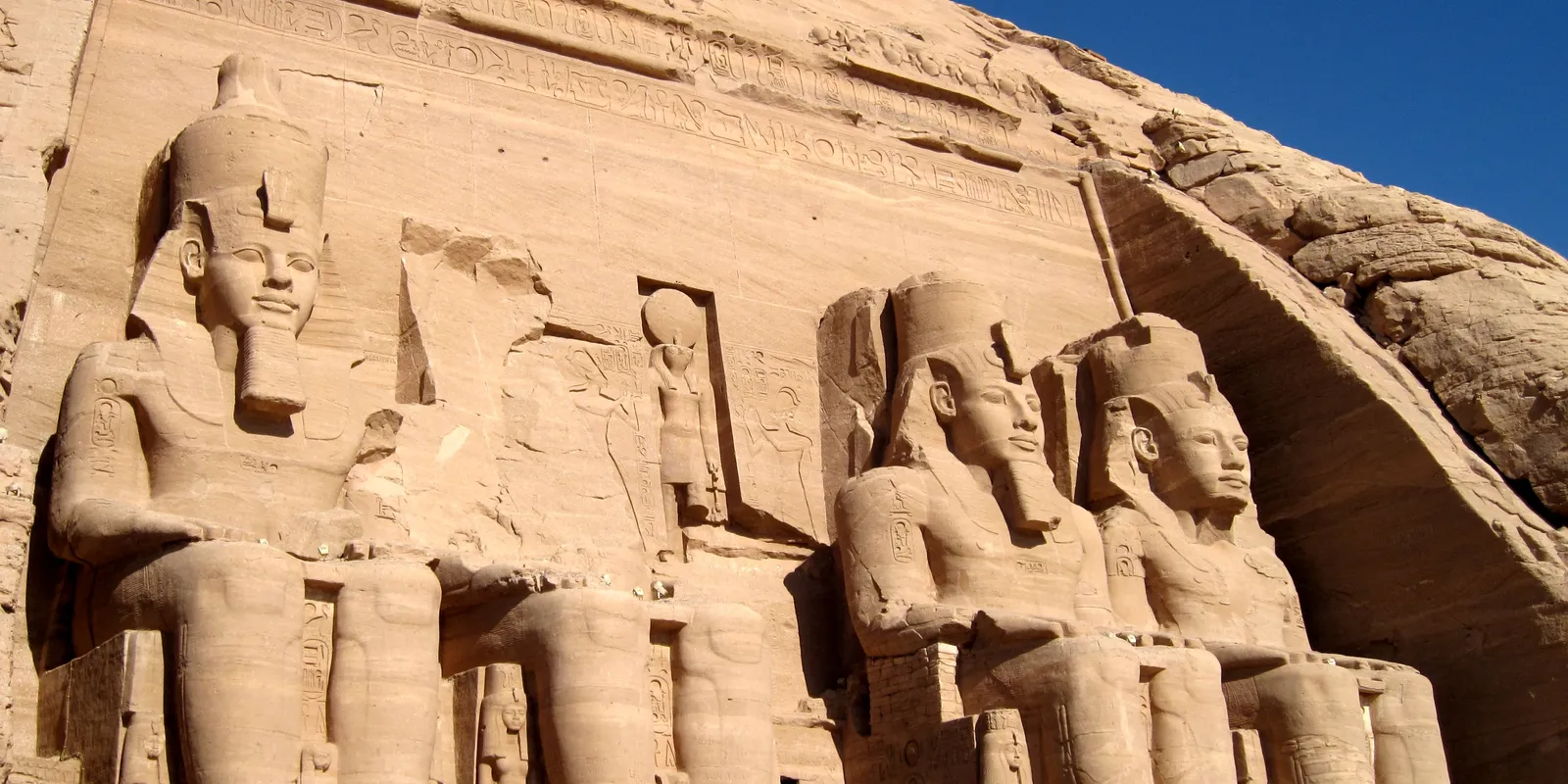
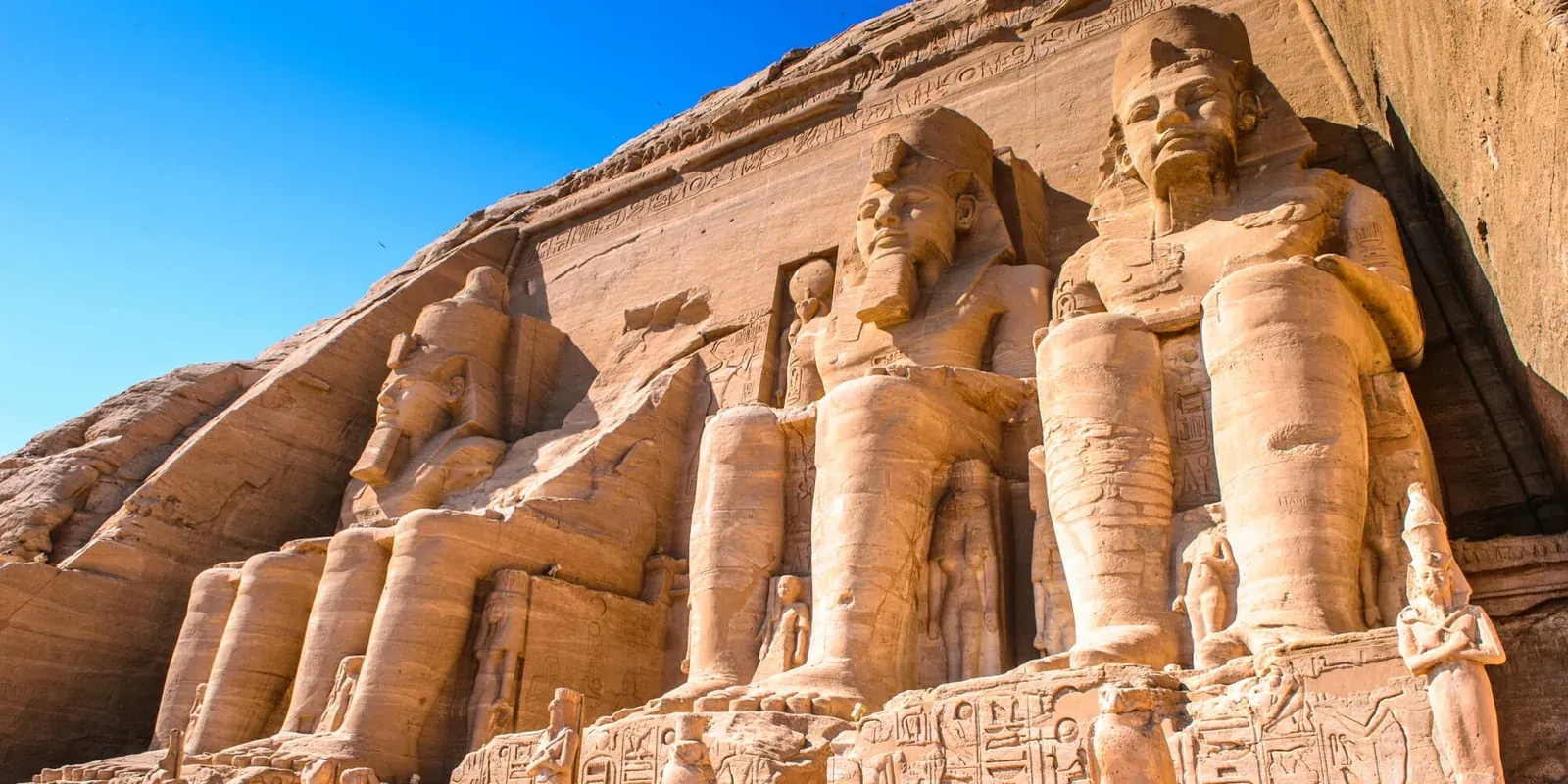
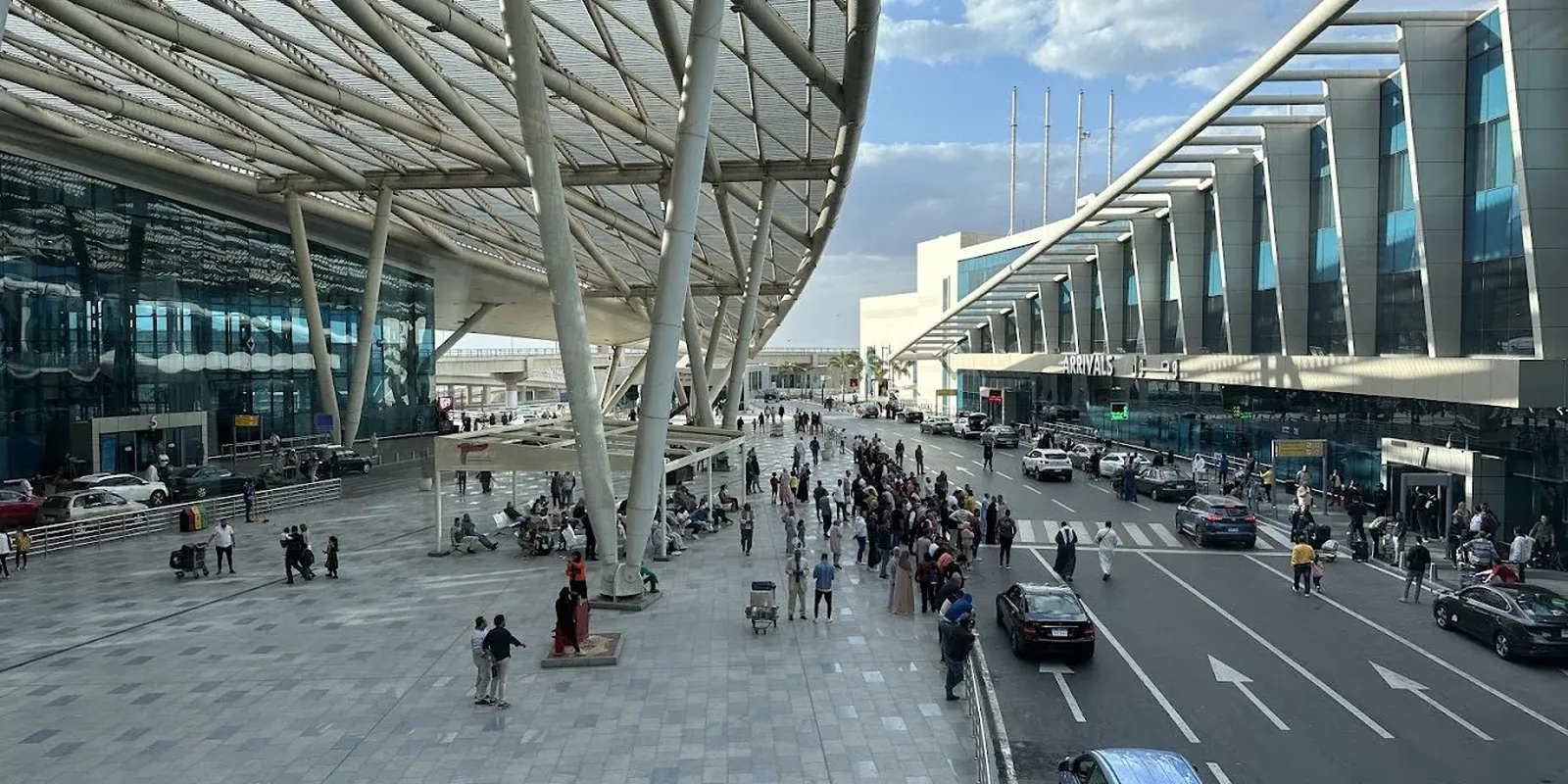
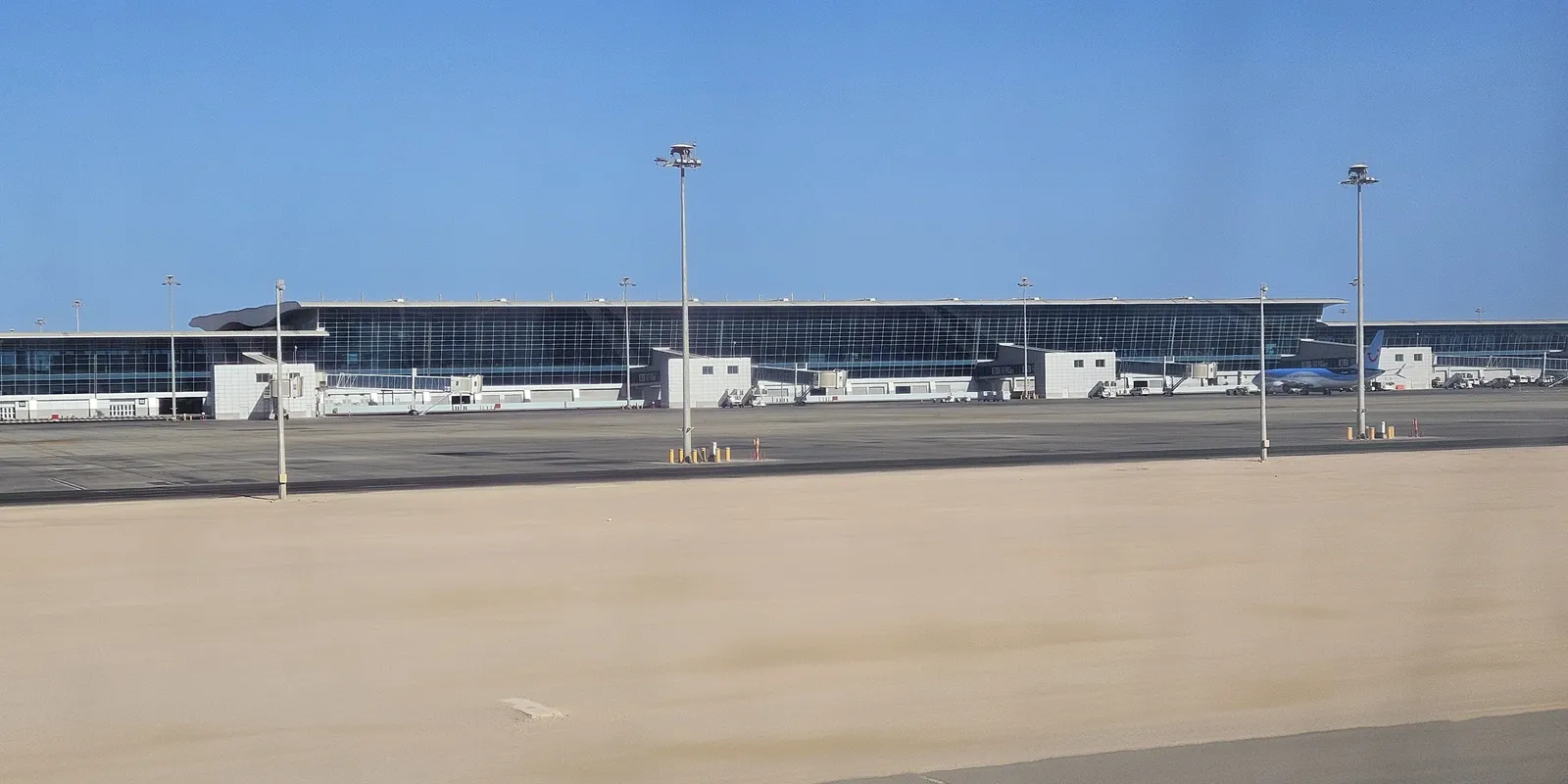
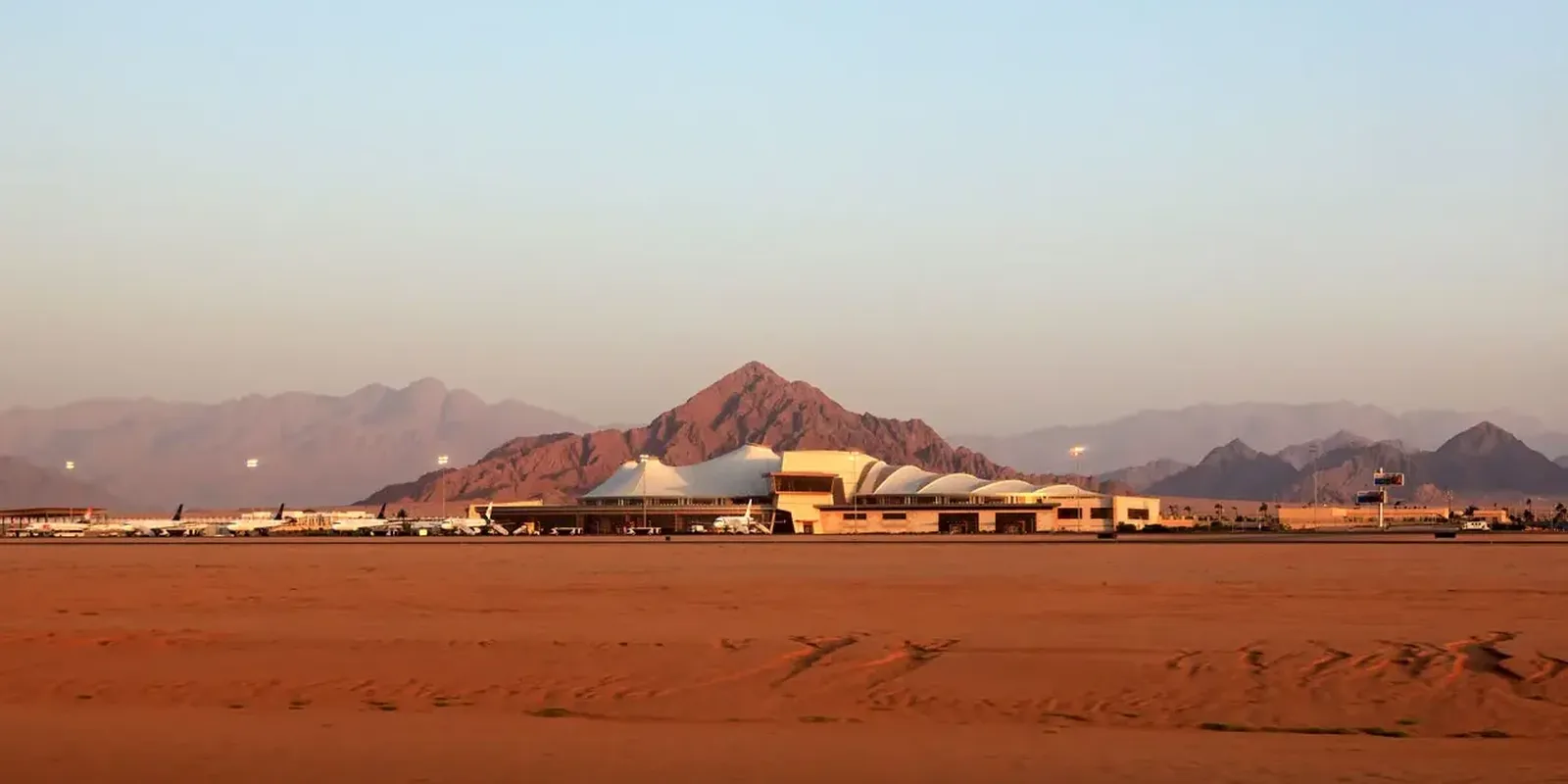
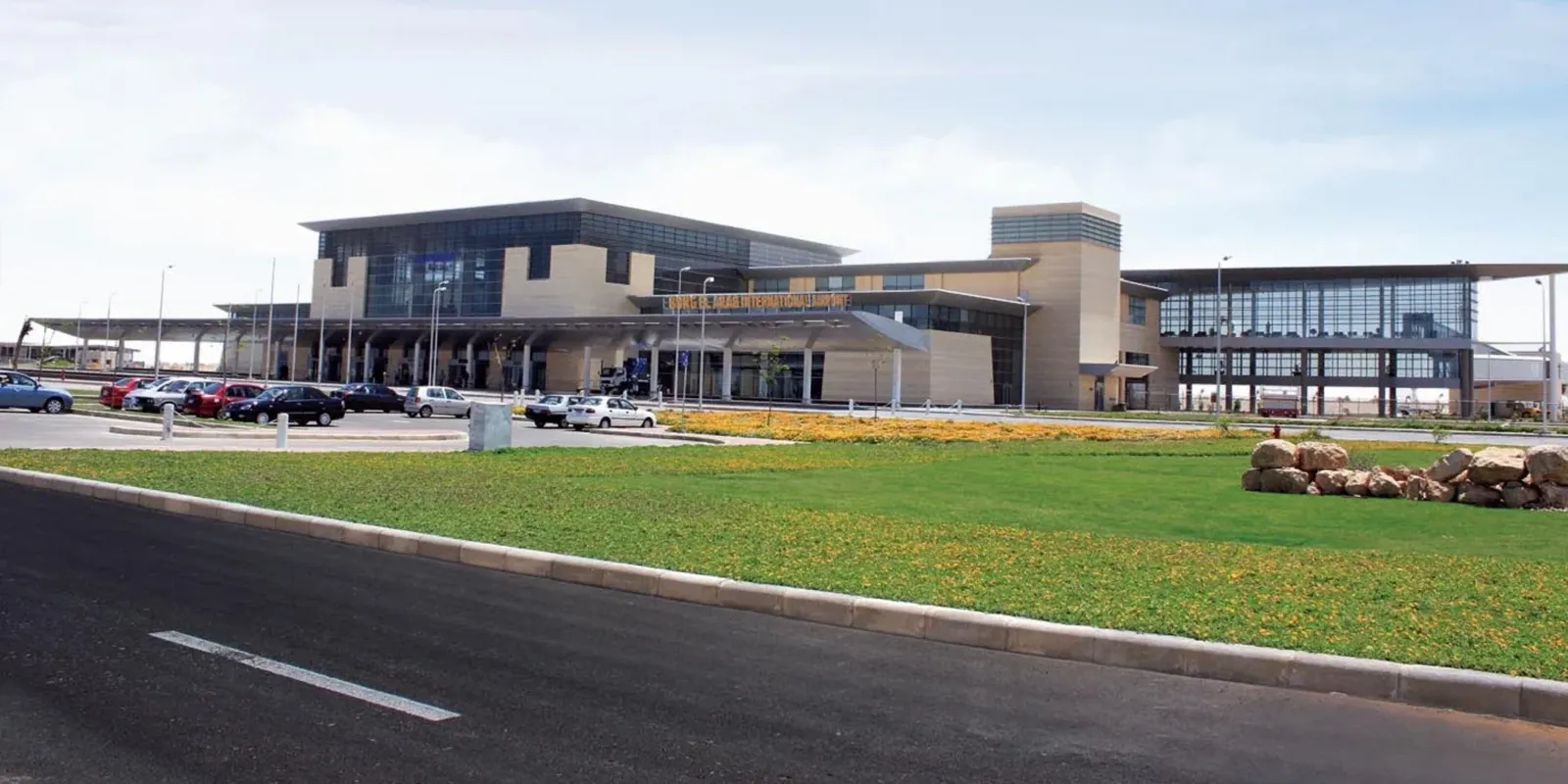
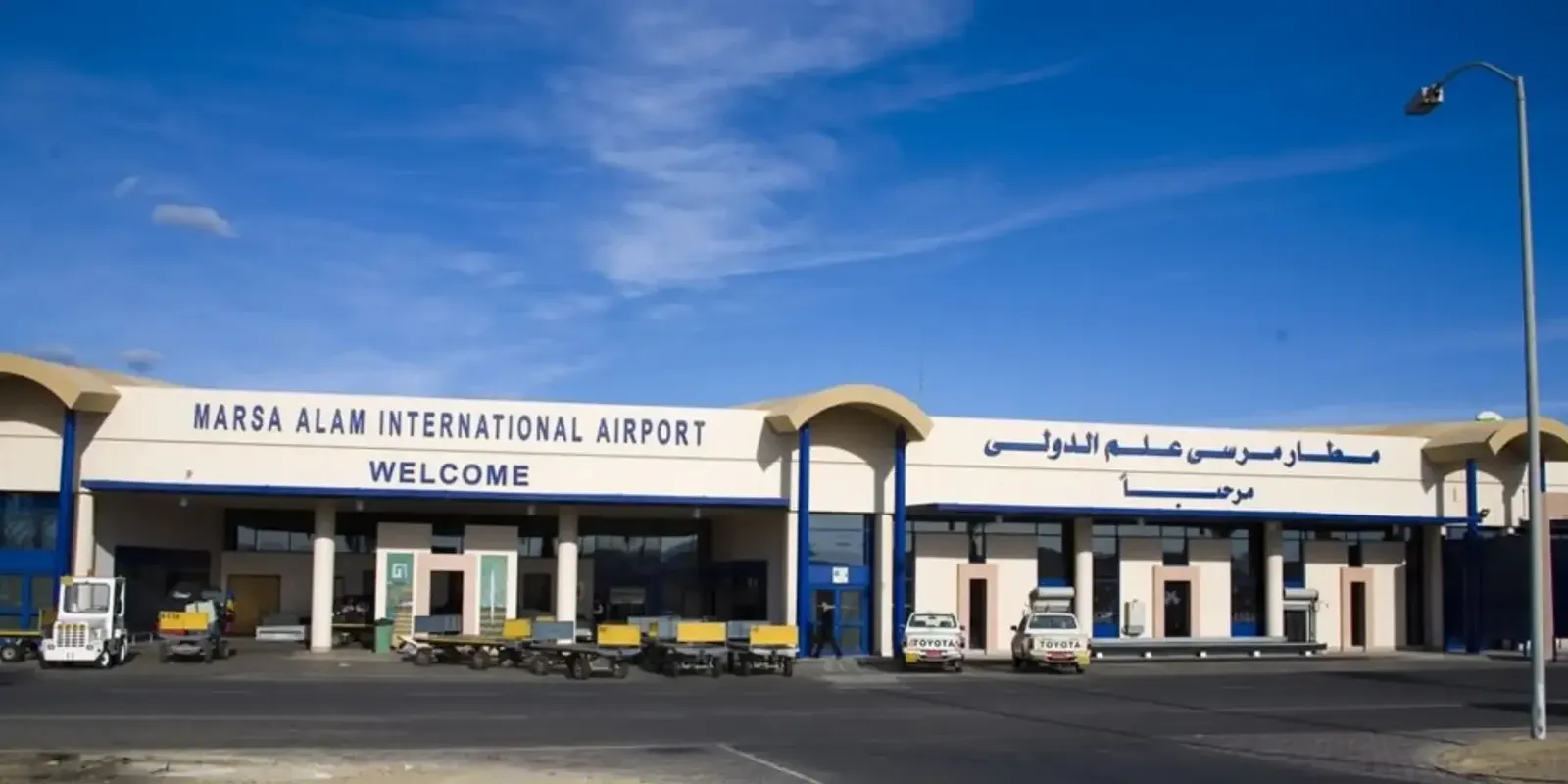
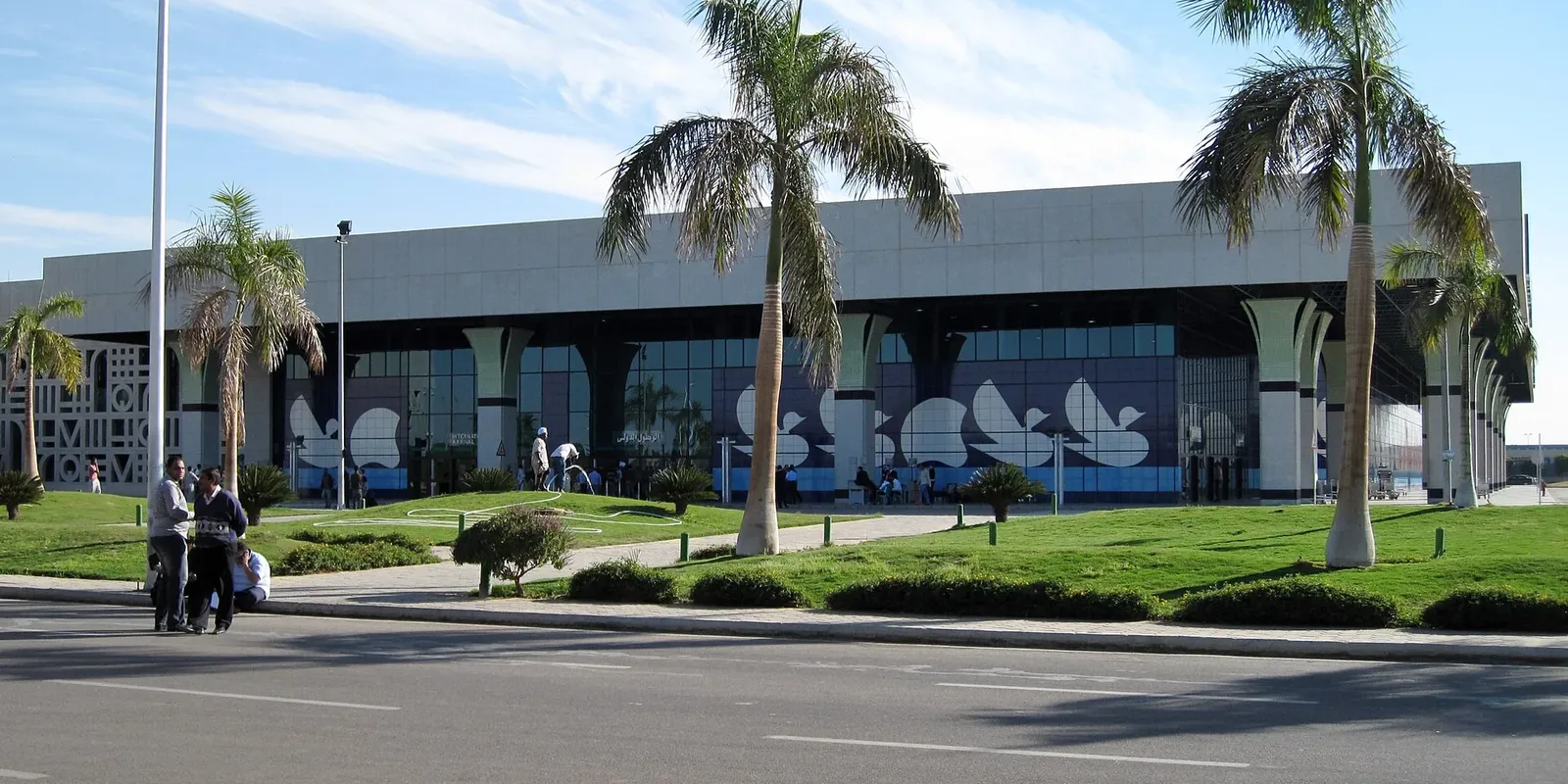
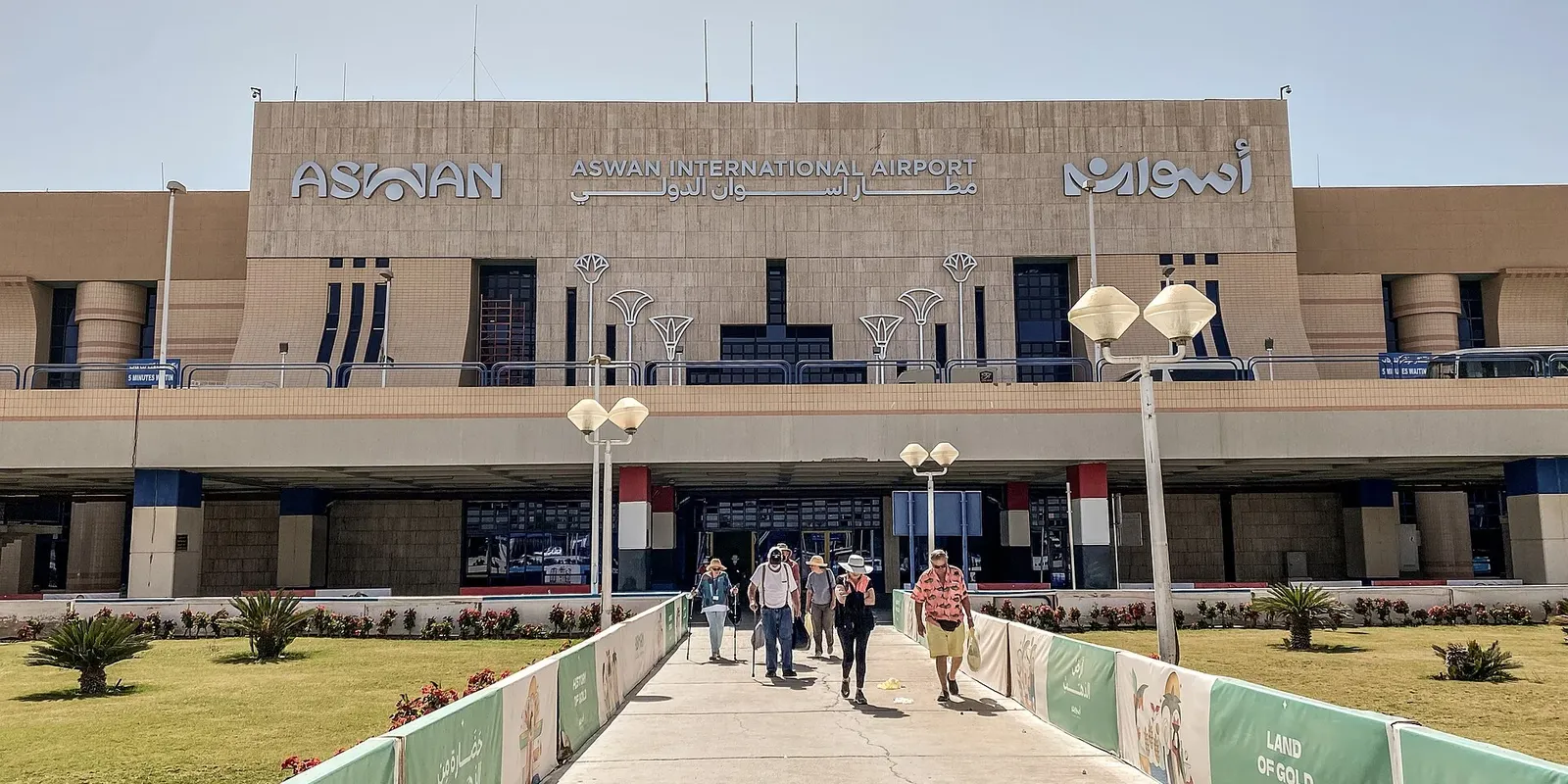
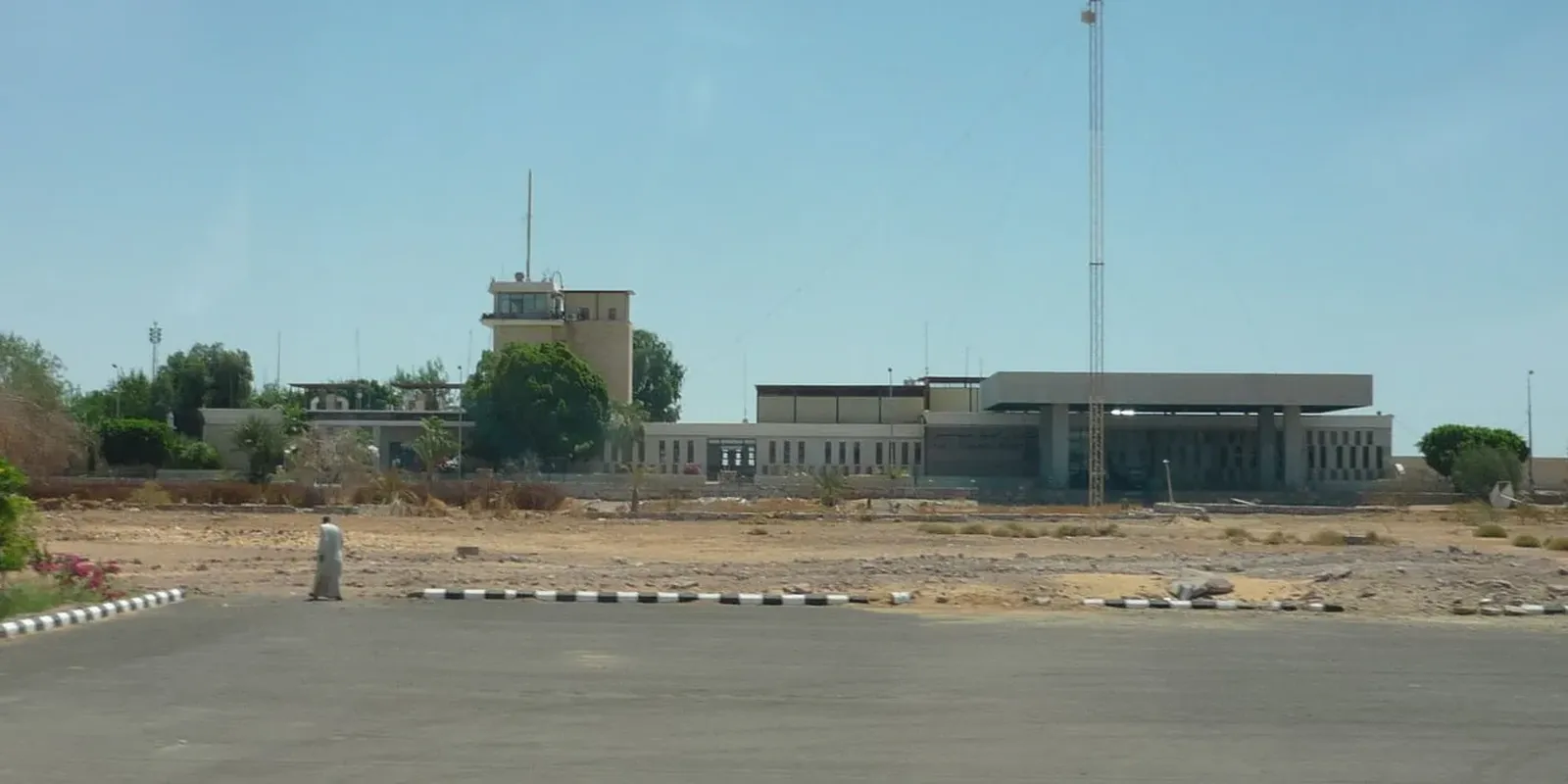
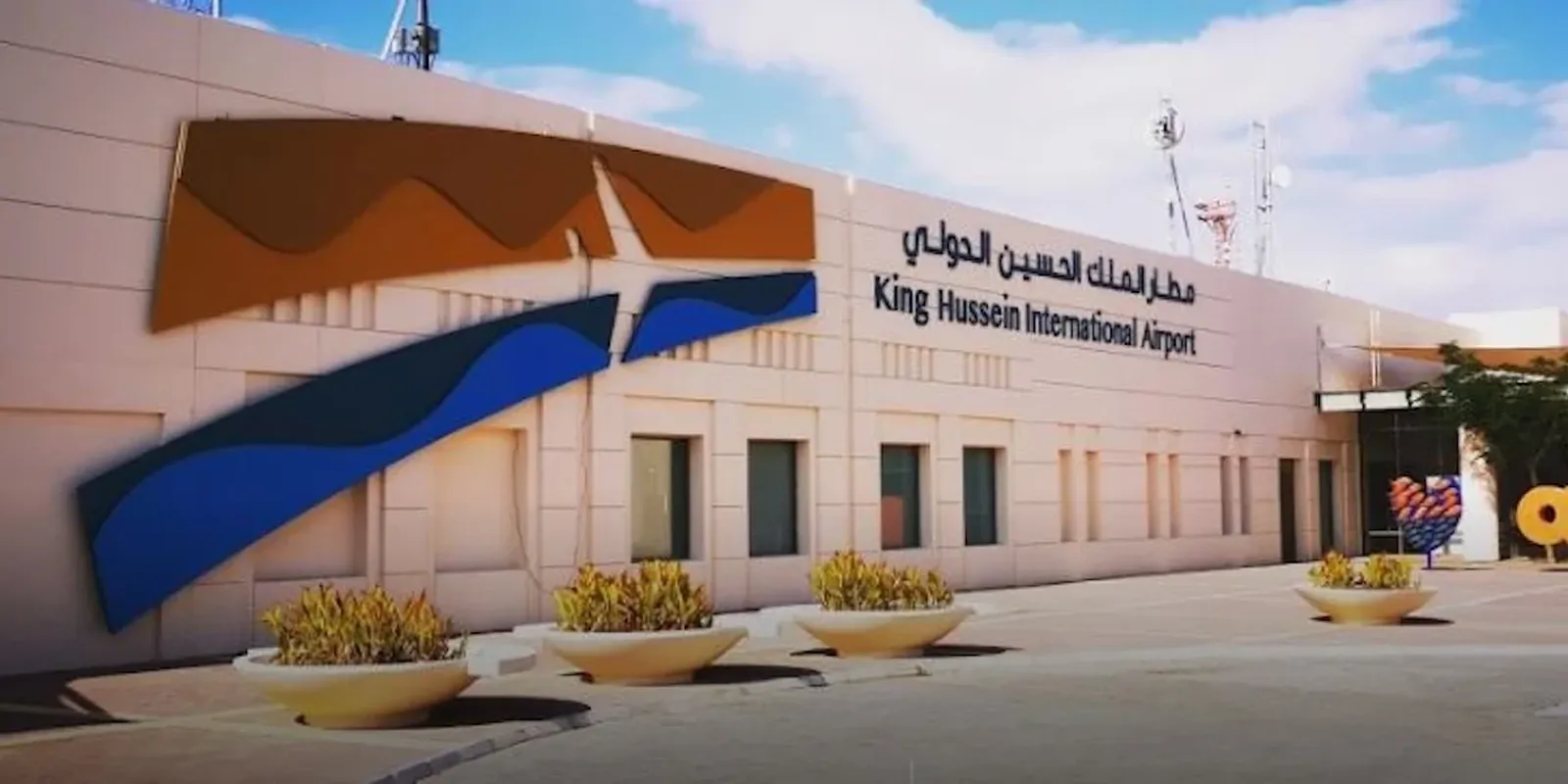
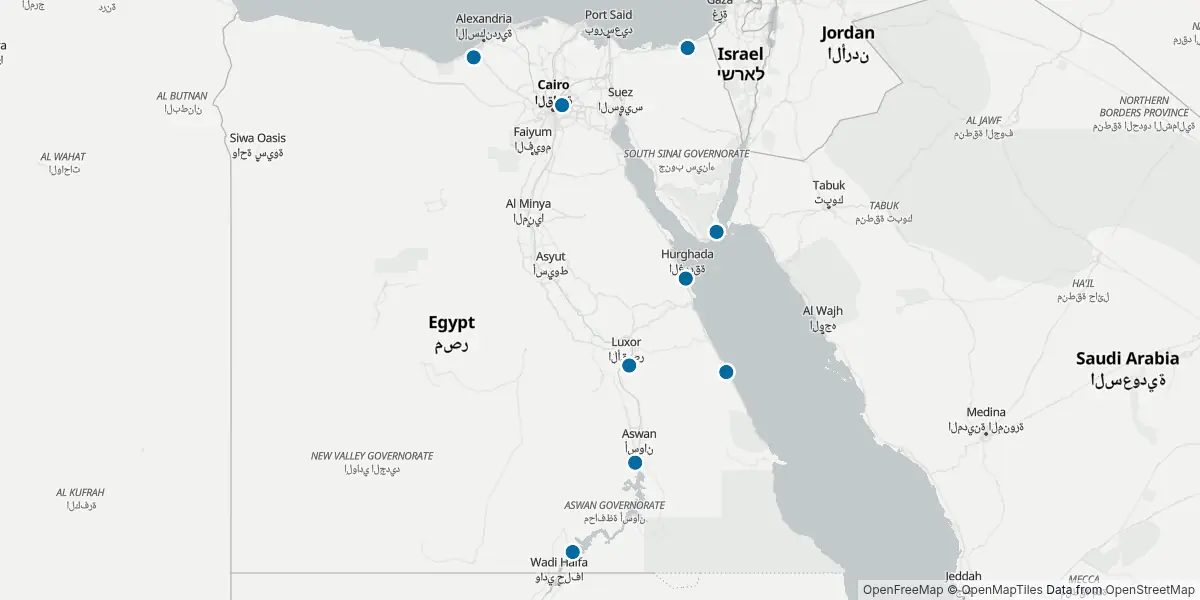
Egypt has nine airports with active connections, among the busiest on the African continent: Cairo, the capital, and the Nile Valley airports (Luxor, Aswan, Abu Simbel), the Red Sea airports (Hurghada, Sharm el-Sheikh, Marsa Alam), as well as Alexandria on the Mediterranean and El Arish in North Sinai.
Egypt: recommended activities
Egypt: visa and entry requirements
Most nationalities, including Italian and EU citizens in general, can get an e-visa online before departure (visa2egypt.gov.eg, 25 USD for single entry, 60 USD for multiple entries, processing takes about 3 working days) or a cash visa on arrival at the main international airports, the price of which rose to 30 USD from March 2026. The e-visa nonetheless remains the method currently recommended by the Egyptian authorities, faster to verify at checks. Holders of a valid Schengen visa can in some cases obtain free 15-day entry instead of the standard 30-day tourist visa. The passport must have at least 6 months of remaining validity.
Egypt: safety
Almost all of Egypt's tourism takes place in areas considered safe and well policed: Cairo (the Giza, Downtown and Zamalek areas), the Nile Valley (Luxor, Aswan) and the Red Sea resort towns (Hurghada, Sharm el-Sheikh, Marsa Alam), all with long experience hosting international tourism and the usual precautions against petty theft in crowded areas. North Sinai, where El Arish Airport is located, is instead a separate case: the United States classifies it as Level 4 ('do not travel') due to the persistent terrorist threat linked to groups affiliated with the Islamic State and the instability connected to the Gaza border; South Sinai (Sharm el-Sheikh, Dahab, Nuweiba), although on the same peninsula, has a markedly different and more favourable security profile, given the strong tourist presence and dedicated checks along the corridors to the resorts. Anyone with a flight to El Arish should organise the trip through their own organisation, an embassy or an operator with specific expertise in the area, not as ordinary tourism.
Egypt: health situation
No specific vaccinations are required for those arriving from Europe, except keeping routine vaccinations up to date. 'Traveller's tummy' is common: drink only sealed bottled water and avoid ice and unpeeled raw vegetables outside reliable hotels. Health facilities in Cairo and the main tourist cities are adequate for common emergencies; travel insurance with medical coverage remains advisable.
Egypt: currency, payments and connectivity
The currency is the Egyptian pound (EGP), which has undergone sharp devaluation in recent years: to get your bearings on costs it's best to think in USD/EUR and check the day's exchange rate rather than relying on pound figures that quickly become outdated. Credit cards are accepted at hotels and tourist restaurants, less so in markets and local taxis, where cash remains essential. Uber and Careem operate in Cairo and the main cities. For connectivity, the operators Vodafone Egypt, Orange and Etisalat sell prepaid SIM cards, with kiosks at all major airports. For driving, an International Driving Permit (IDP) is generally also required alongside the national one; many visitors nonetheless prefer to rely on local drivers given the often chaotic driving in large cities.
Egypt: travel guides
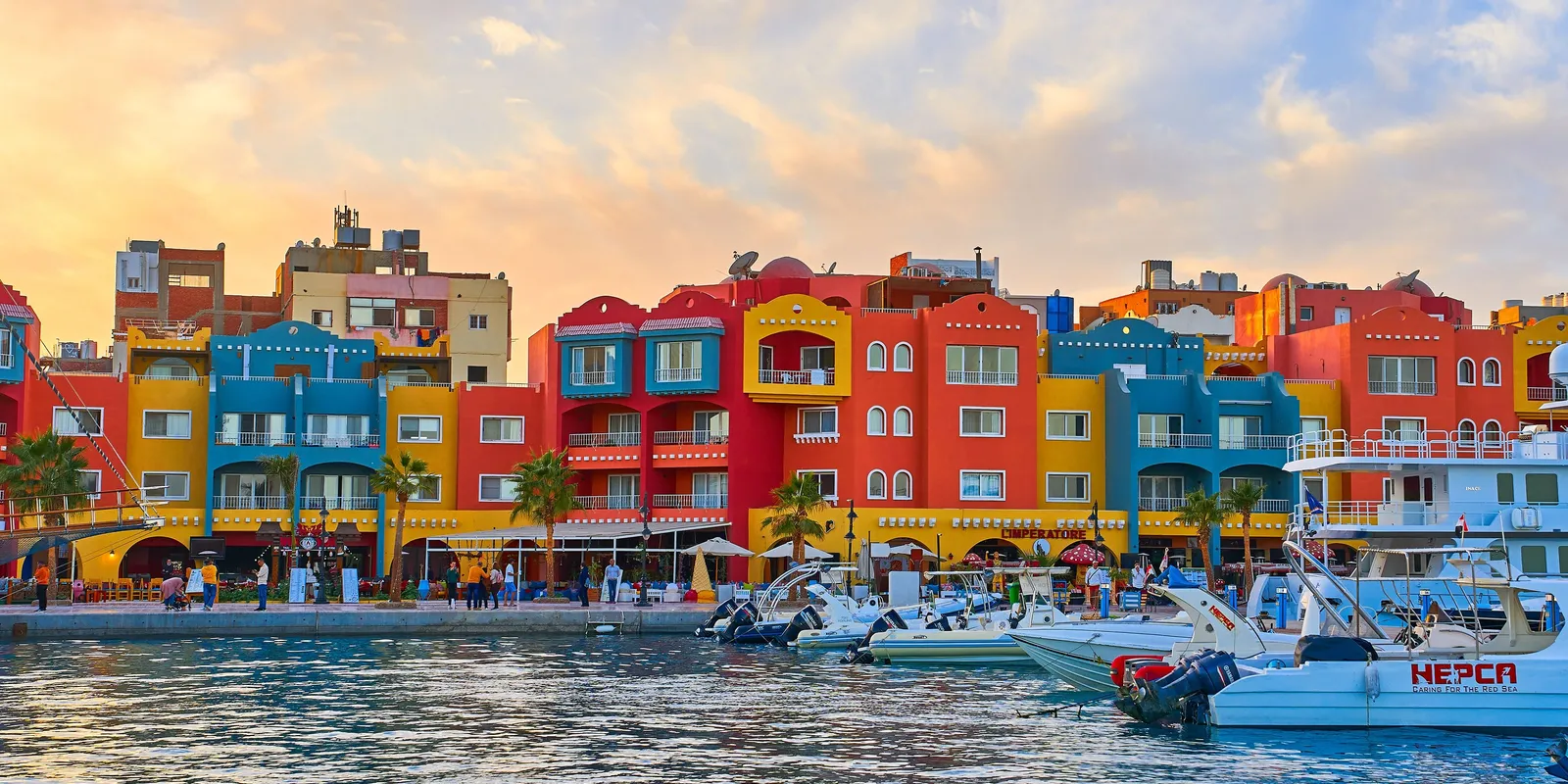
Hurghada: coral reefs and desert on the Red Sea
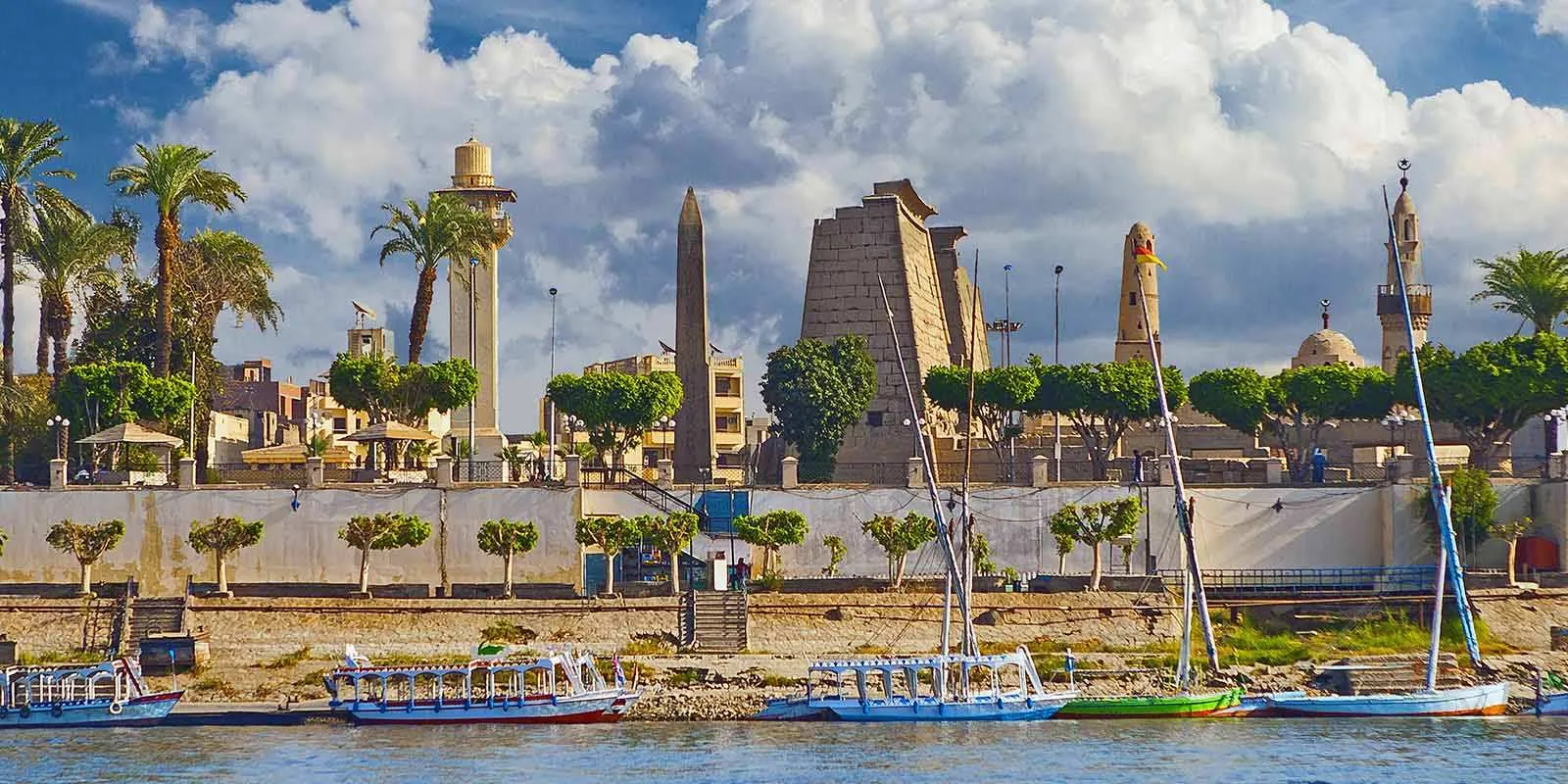
Luxor: Karnak and the Valley of the Kings
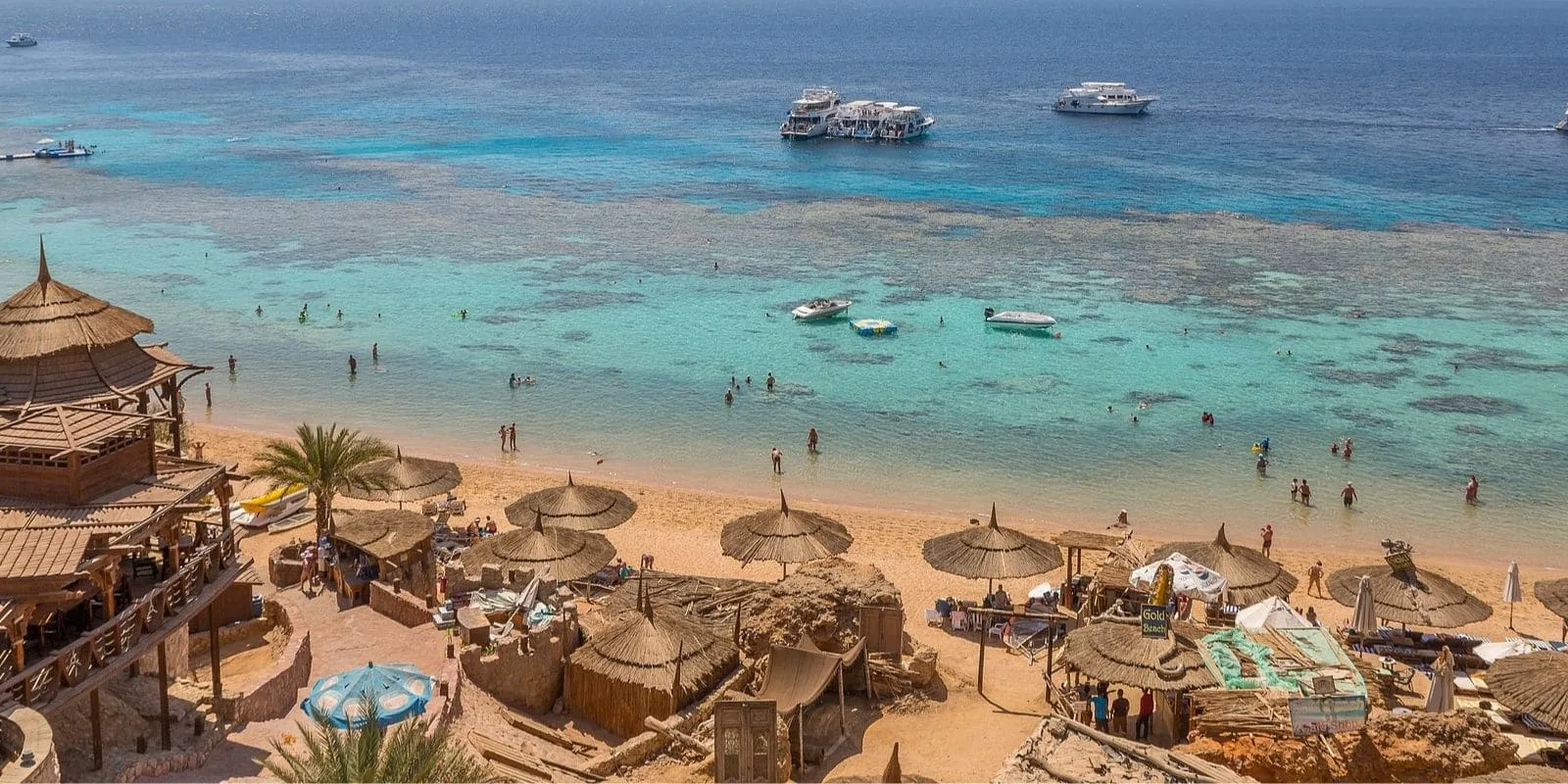
Sharm el-Sheikh: coral reefs of the Sinai
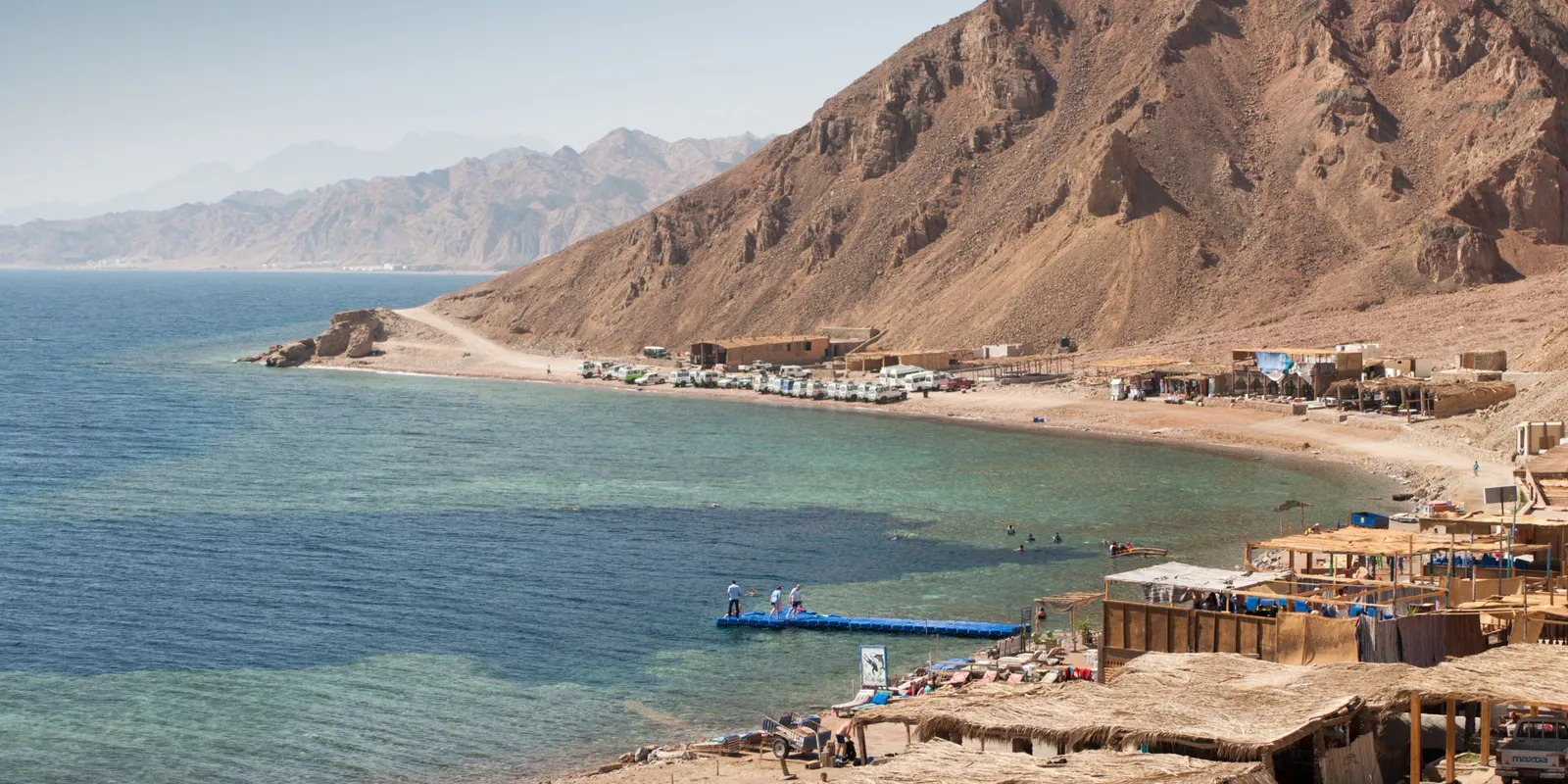
El-Arish: the palm on Sinai's Mediterranean coast
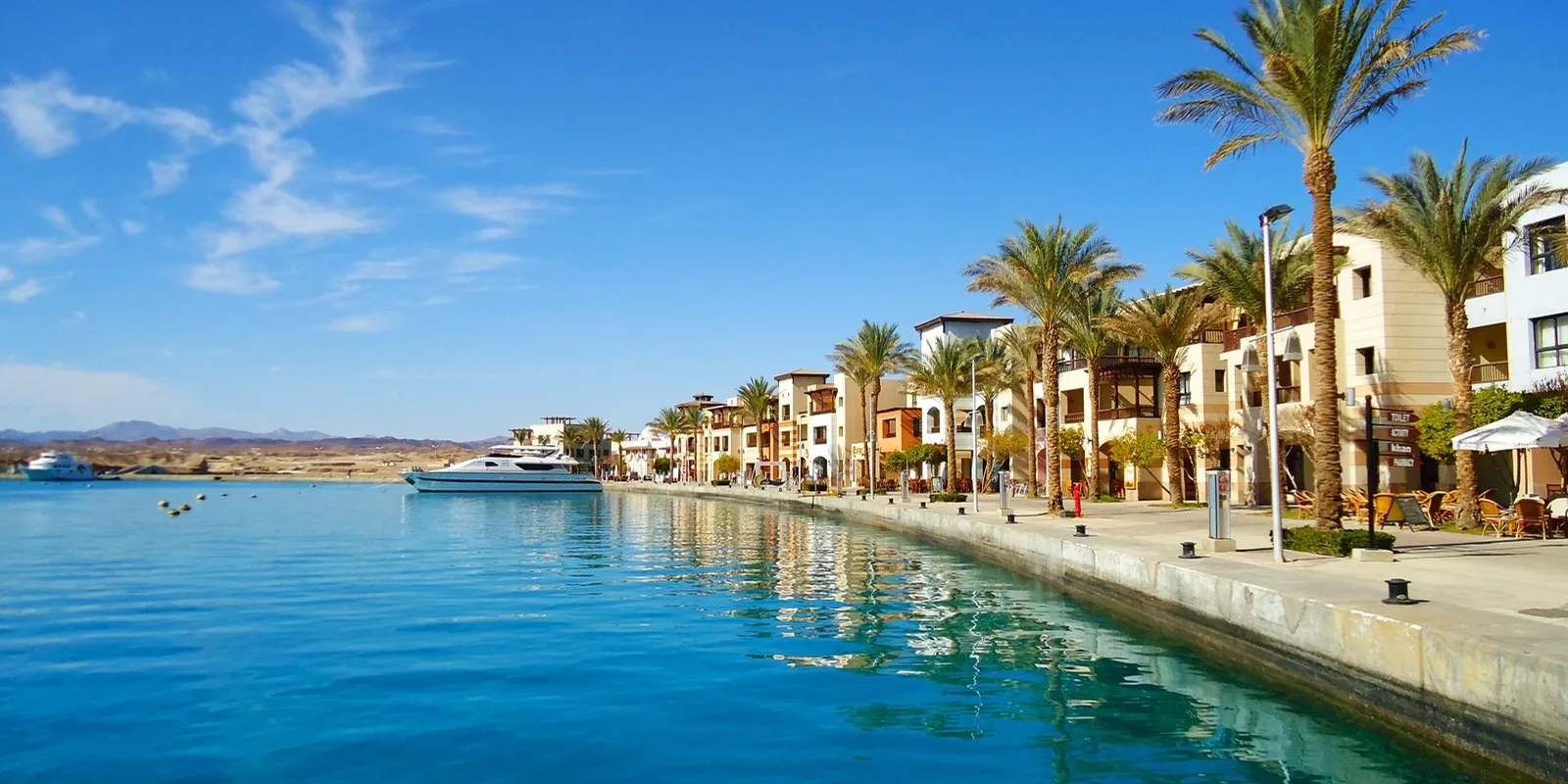
Marsa Alam: turtles and dolphins of the Red Sea
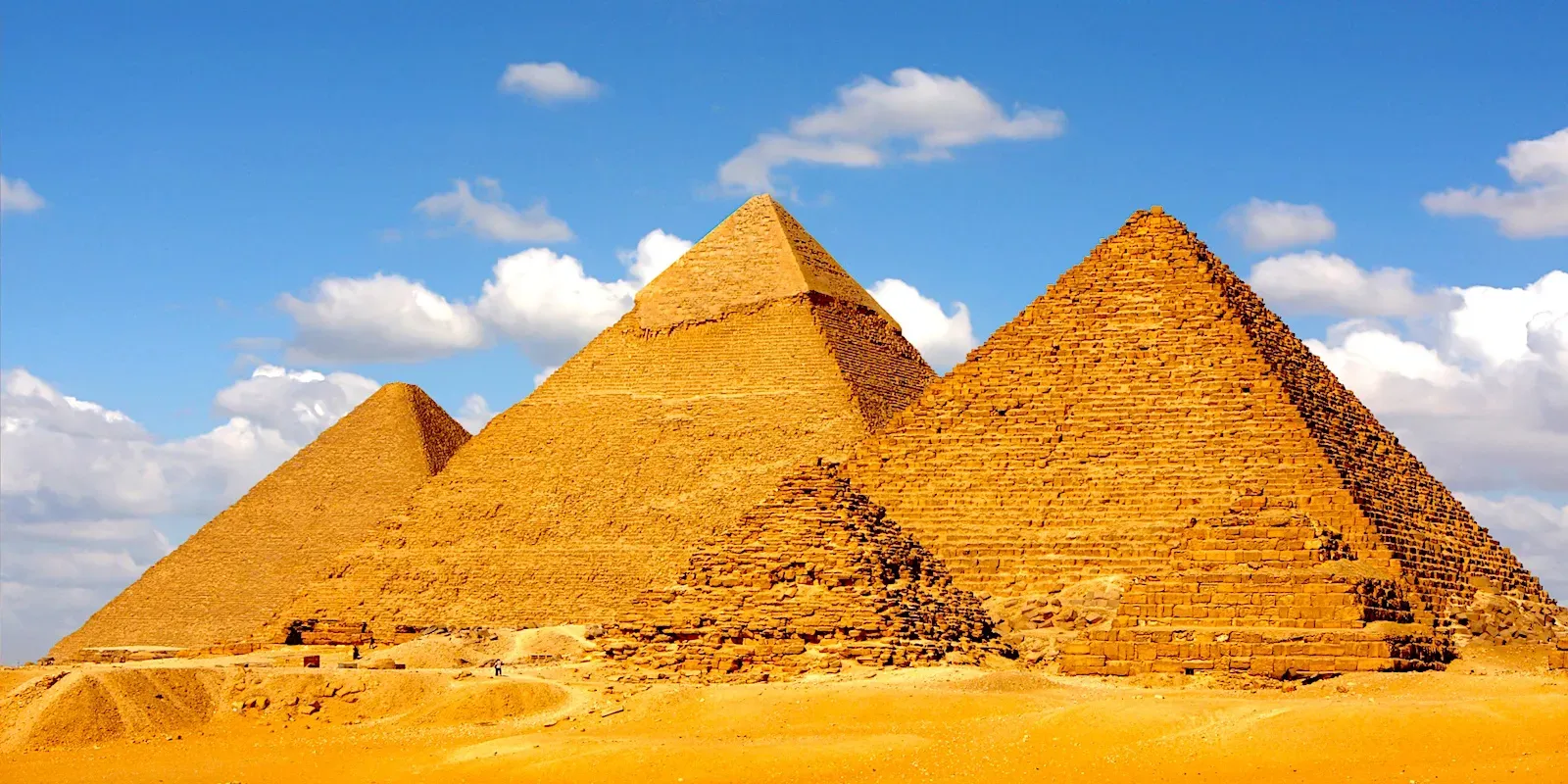
Cairo in a day: what to see
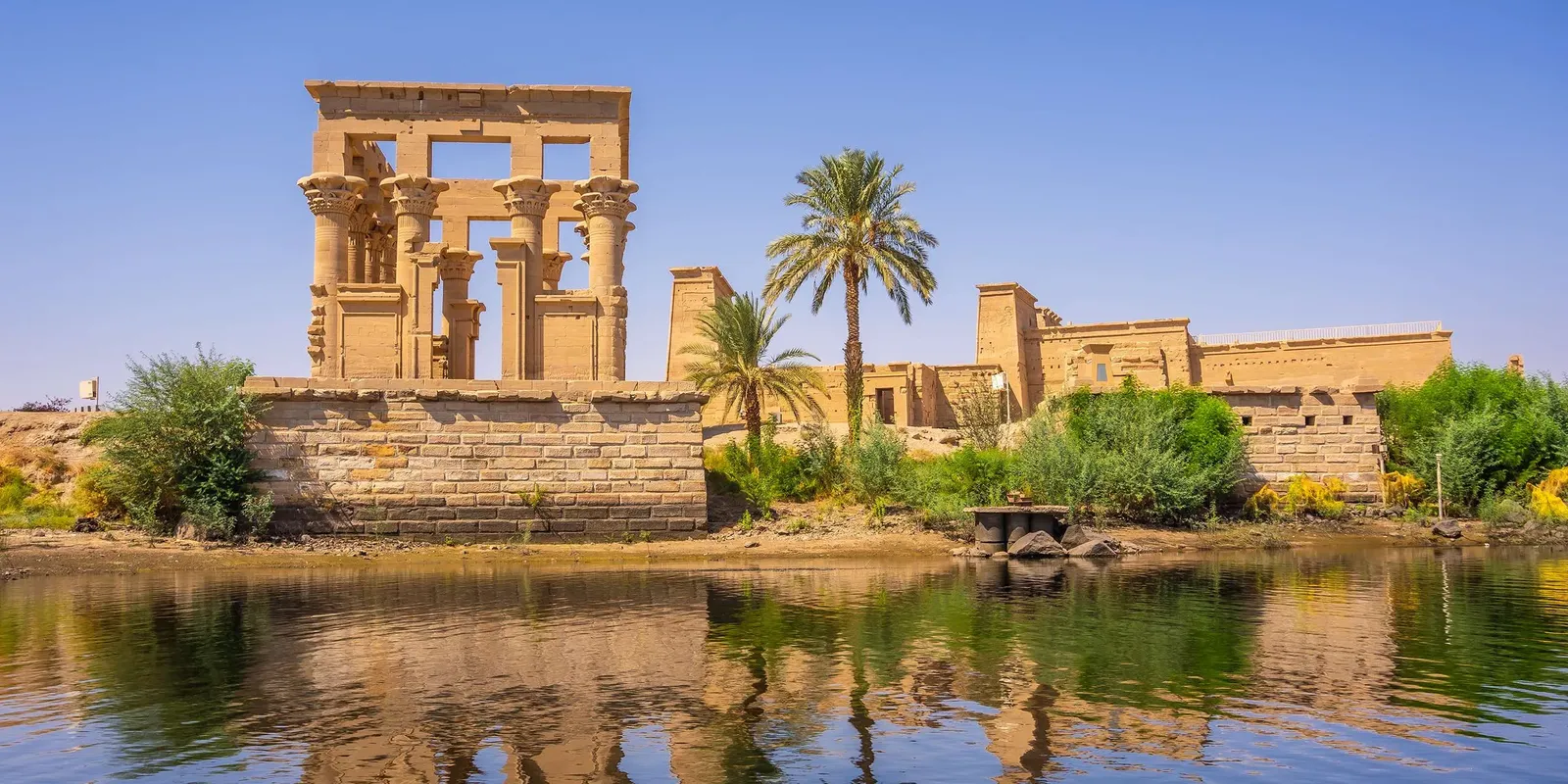
Aswan: Egypt's most peaceful stretch of the Nile
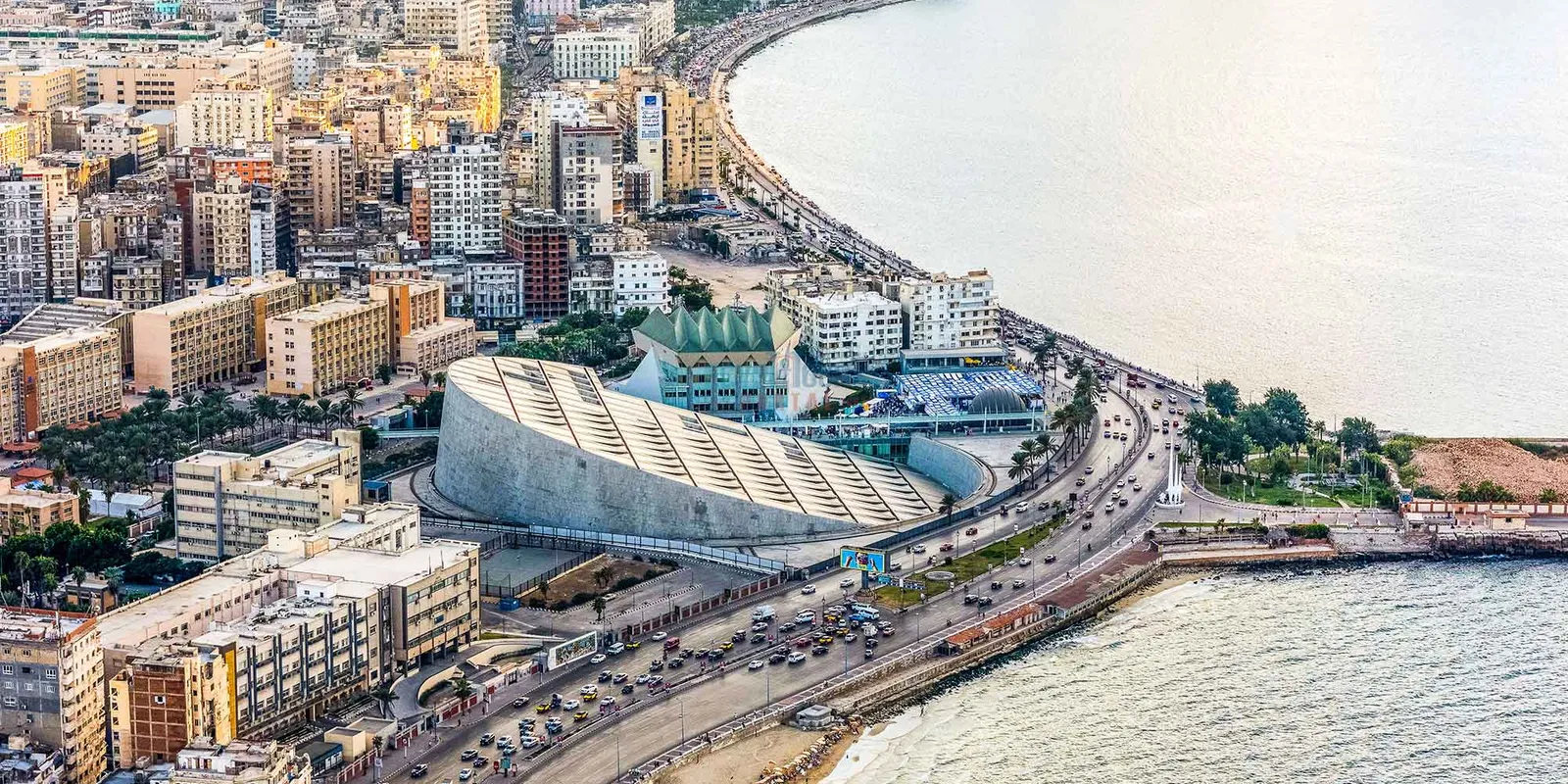
Alexandria: the library and the lost lighthouse