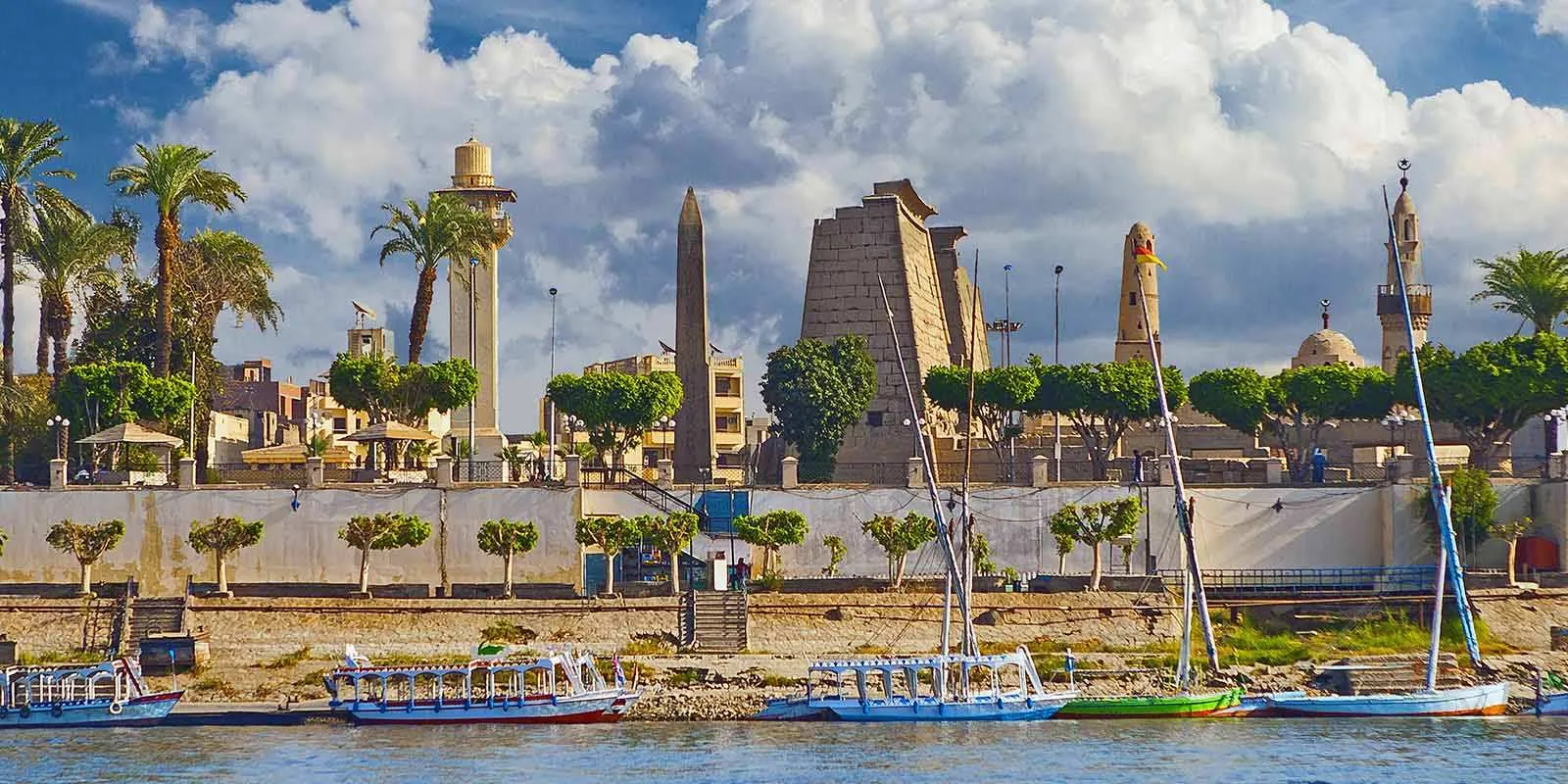

Luxor: Karnak and the Valley of the Kings
Built on the remains of Thebes, ancient Egypt's capital for much of the New Kingdom, Luxor concentrates on the two banks of the Nile the world's highest density of pharaonic monuments.
The Nile separates the two halves of the visit: a ferry or taxi connects both shores.
Built over two thousand years by successive pharaohs, the Temple of Karnak remains the largest religious complex ever erected, with the Hypostyle Hall alone containing one hundred thirty-four monumental columns.
Once connected to Karnak by an avenue of over a thousand sphinxes, the Temple of Luxor stands a short distance away on the eastern bank of the river, and the entire path between the two temples has been traversable again only recently after decades of restoration.
Crossing the Nile toward the western bank you enter the Valley of the Kings, where in 1922 Howard Carter discovered the nearly intact tomb of Tutankhamun among the more than sixty located so far.
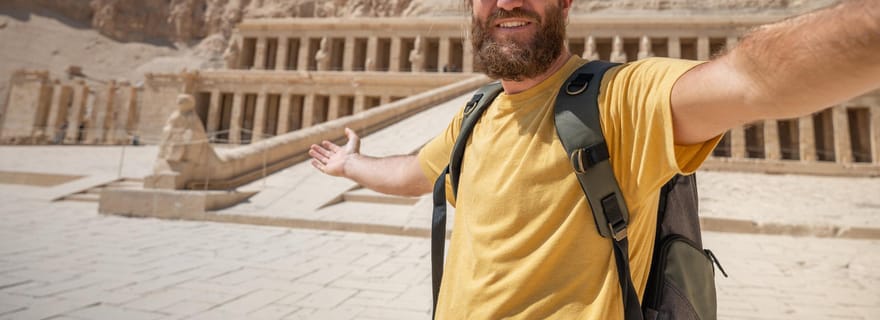
A short distance away, the Temple of Hatshepsut at Deir el-Bahari, built in terraces set into the rock for ancient Egypt's only female pharaoh, closes the day on the western bank.
Tutankhamun's tomb, a minor ruler who died young, was almost overlooked by ancient tomb robbers: paradoxically, his scant political importance guaranteed its preservation until the twentieth century.
Hatshepsut's successors attempted to erase her memory by chiseling her name from the monuments: her temple, despite everything, remains today one of the most photographed in all of Egypt.
Guided tours and experiences in Luxor
Related articles

You might also like...
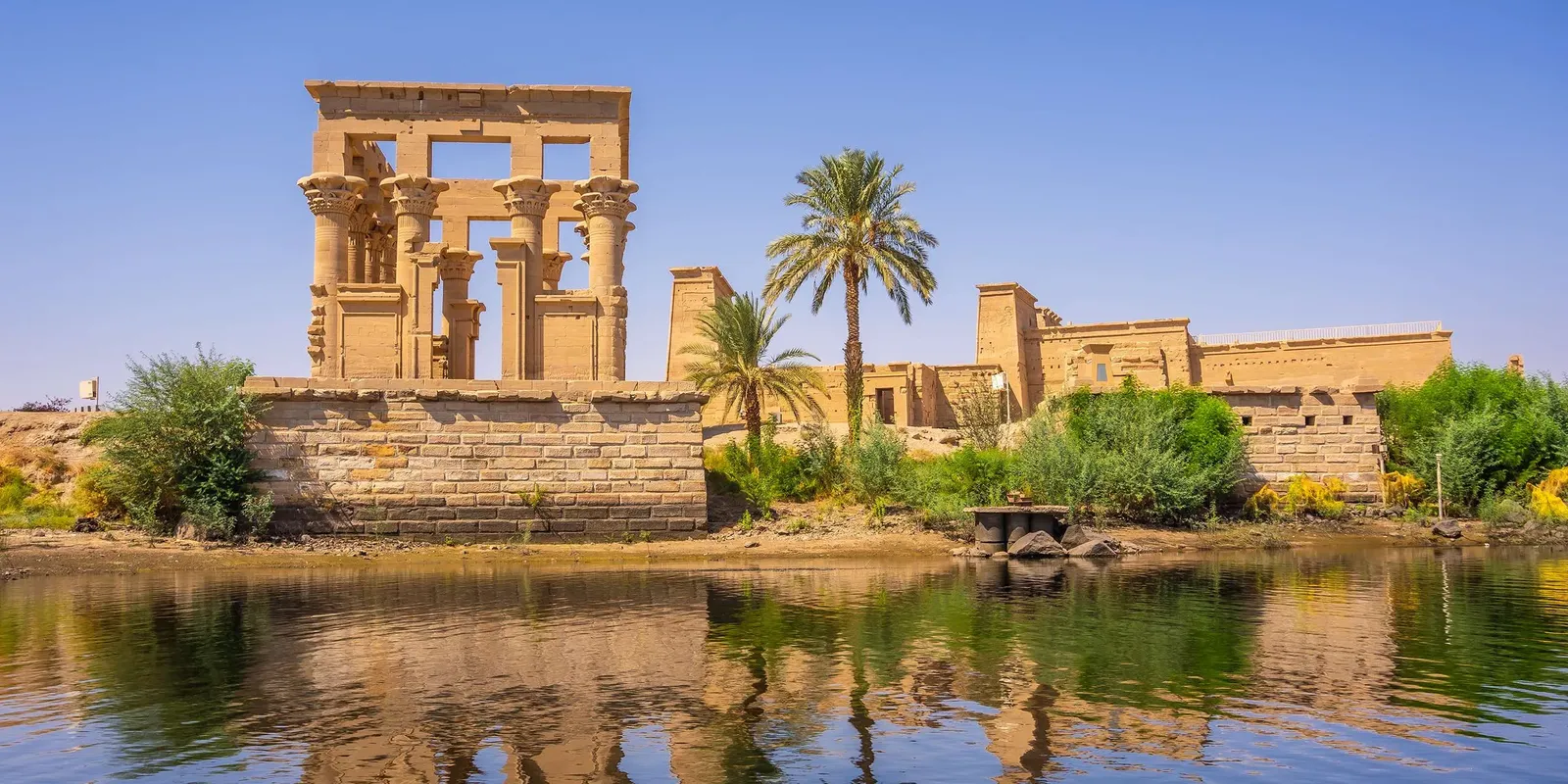
Aswan: Egypt's most peaceful stretch of the Nile
Hurghada: coral reefs and desert on the Red Sea

Gold Coast Airport: where to stay, areas and recommended hotels

Alicante International Airport: where to stay, areas and recommended hotels
Lounges at Sabiha Gökçen: which one to choose in Istanbul