Suriname: main airports
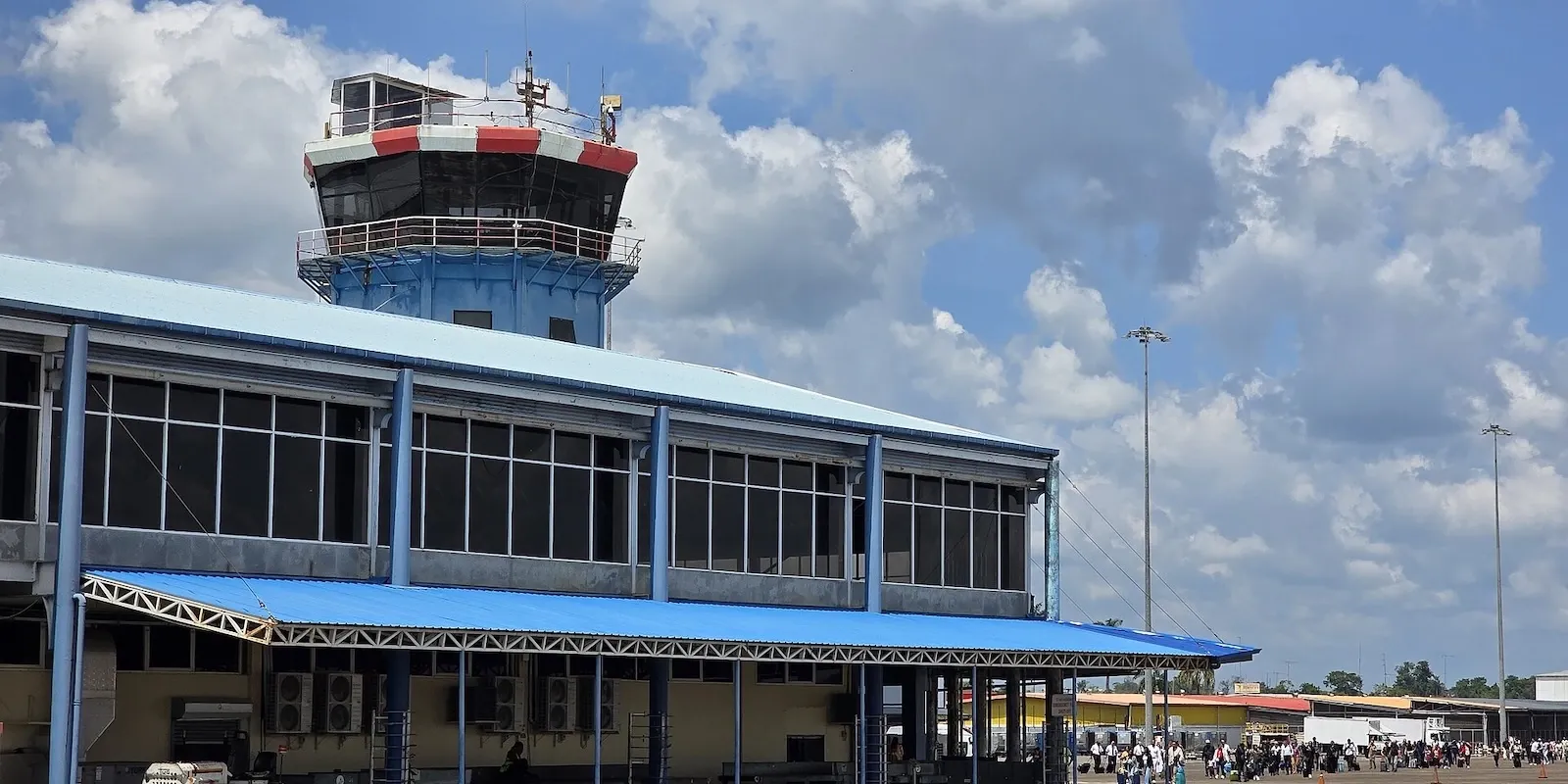
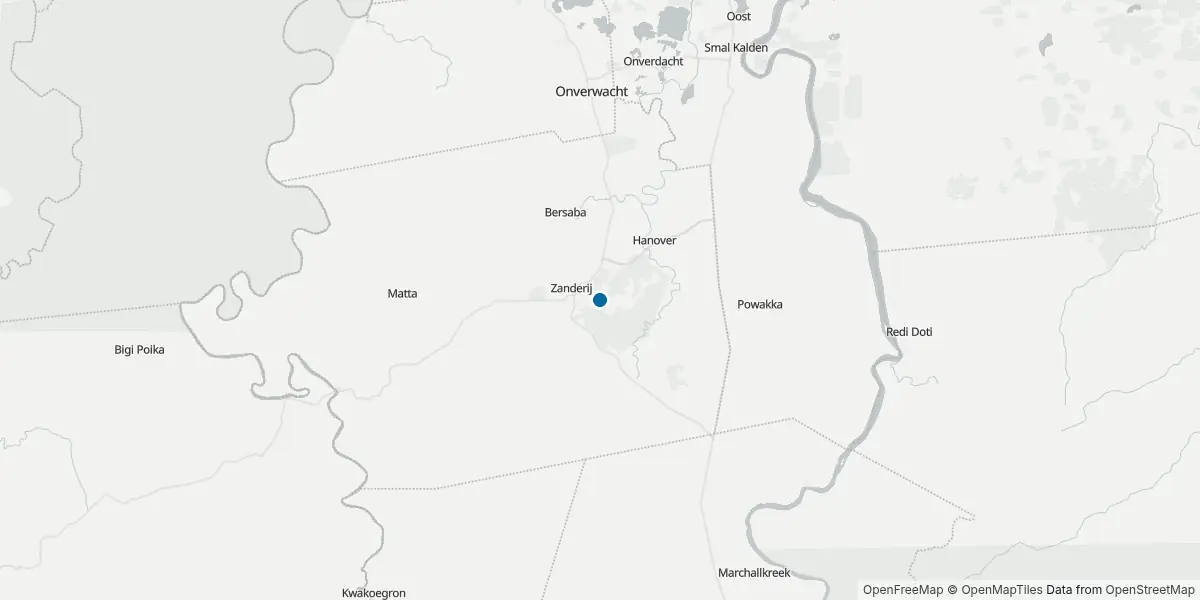
Suriname is served by Johan Adolf Pengel International Airport, in Zanderij, about 45 km south of the capital Paramaribo. It is directly connected with the Netherlands (KLM and Surinam Airways, reflecting Suriname's strong historical ties with its former colonial motherland), as well as Belém in Brazil, Georgetown in Guyana and, seasonally, Aruba and Curaçao.
Suriname: recommended activities
Suriname: visa and entry requirements
Since 1 July 2022, Suriname has replaced the traditional tourist card with a mandatory electronic Entry Fee, to be requested online before departure: the official cost is 50 USD/EUR plus an 8 USD/EUR service fee for a single entry, or 75 USD for a multiple-entry option (5 entries in 3 months) introduced on 1 May 2025. Payment is only accepted by credit or debit card (Mastercard, Visa or Maestro).
The permitted stay is up to 90 days. Always check the updated procedure on the official portal before departure, as older, no longer valid figures also circulate online.
Suriname: safety
The United States classifies Suriname at Level 1 ("Exercise Normal Precautions"), the lowest alert level.
Suriname: health situation
A yellow fever vaccination certificate is required only for those arriving from a country at risk of transmission, but it is nonetheless recommended by the CDC for anyone traveling to Suriname, since the virus is present in the country.
Suriname was officially declared malaria-free by the WHO in 2025: the risk, historically concentrated in the interior districts, did not already affect Paramaribo or the coastal strip. Healthcare in Paramaribo is of adequate standard for common needs, with some good private clinics, but more complex cases are often transferred abroad: travel insurance with medical evacuation coverage is advisable, especially outside the capital.
Suriname: currency, payments and connectivity
The currency is the Surinamese dollar (SRD), subject to strong volatility: always check the updated exchange rate before departure. The official language is Dutch, while Sranan Tongo, an English-based creole, is the most widely used lingua franca in daily life.
Restaurants often already include a 10-15% service charge on the bill; taxi drivers generally do not expect a tip. There are no Uber or Bolt: transport is arranged through local taxi companies (such as Tourtonne Taxi or Ulstrel Taxi) or apps like Caribe Taxi and PickMe, with fares generally to be agreed before the ride.