
Ahmedabad: the city of textile craft and Gandhi
From here Gandhi led the salt march of 1930, one of the symbolic moments of nonviolent struggle for Indian independence: his ashram remains visiteable on the banks of the Sabarmati river.
The centre is best visited by taxi or motorised rickshaw.
The Sabarmati Ashram, Gandhi's residence for over a decade, preserves his simple bedroom and personal belongings used during the fight for independence.
Just steps away, the Jama Masjid, built in the fifteenth century, blends Hindu and Islamic architectural elements in a unique local style known as Indo-Saracenic.
Continuing one visits the Sidi Saiyyed Mosque, famous for its pierced stone windows in the shape of trees, considered among the masterpieces of Indian stone craftsmanship.
Toward evening, the markets of the historic center sell hand-stamped textiles according to traditional Gujarat techniques passed down through generations.
From the Sabarmati Ashram, in 1930, Gandhi departed for the famous salt march to the sea, a gesture of civil disobedience that made the cause of Indian independence internationally known.
The carved windows of the Sidi Saiyyed Mosque, known as 'jali', have become an unofficial symbol of the city, reproduced in the logo of the Indian Institute of Management in Ahmedabad.
Related articles


You might also like...
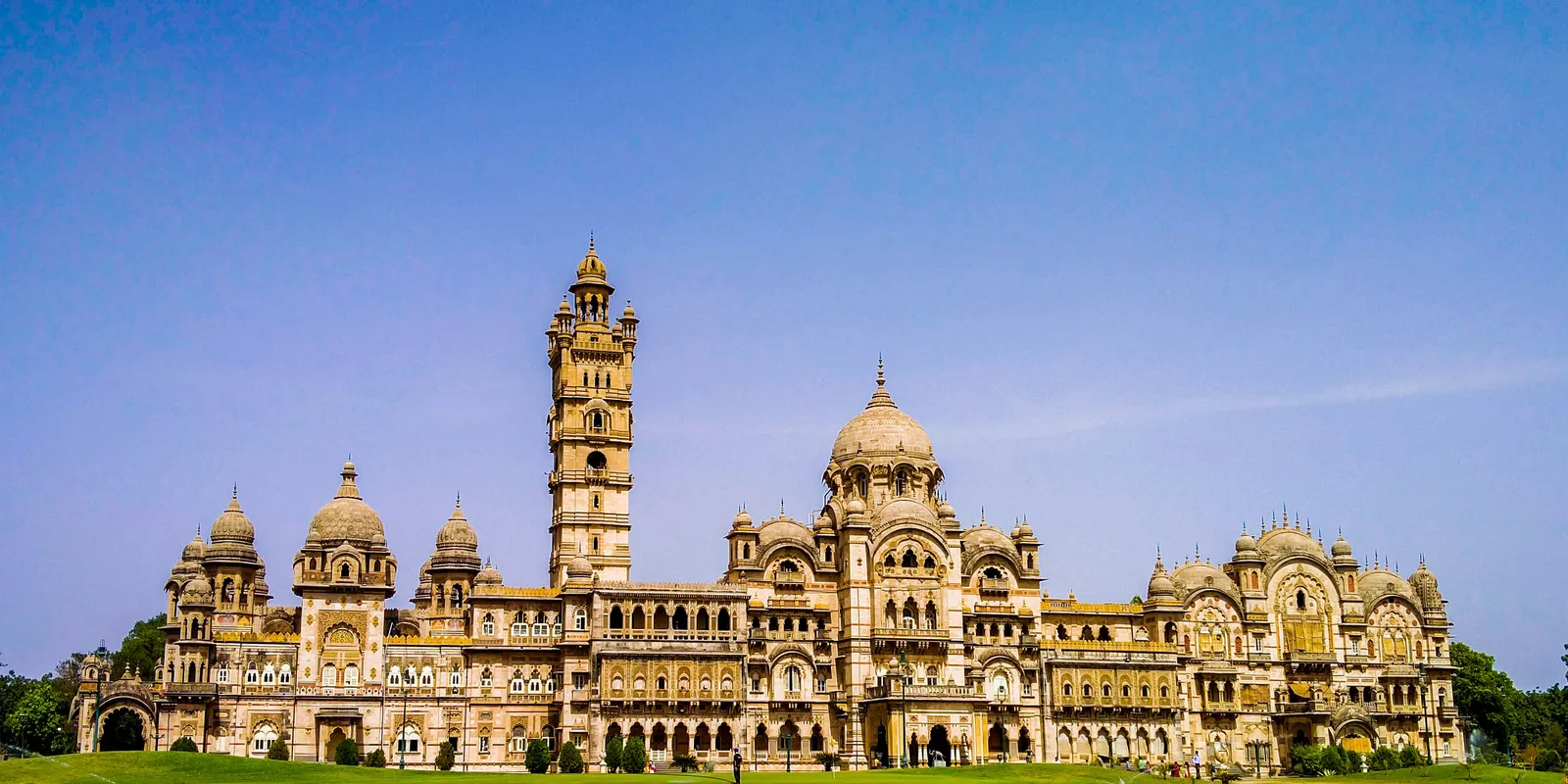
Vadodara: India's largest royal palace
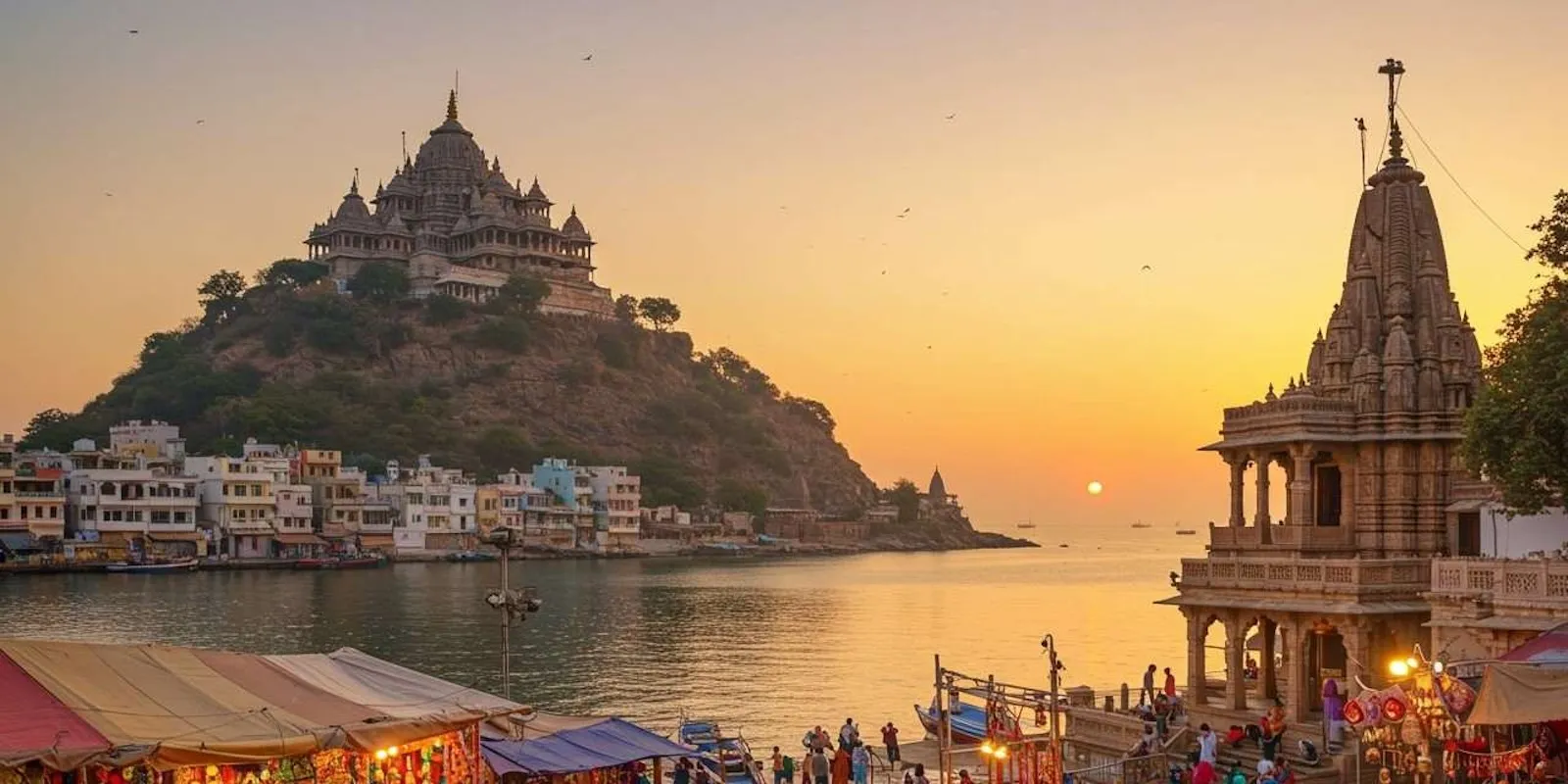
Bhavnagar: the gateway to the Asiatic lion sanctuary

Licenciado Gustavo Díaz Ordaz International Airport: where to stay, areas and recommended hotels
Minangkabau International Airport: where to stay, areas and recommended hotels

Avianca: What 30,000 Passenger Reviews Really Say