
Austin: what to see in 1 day
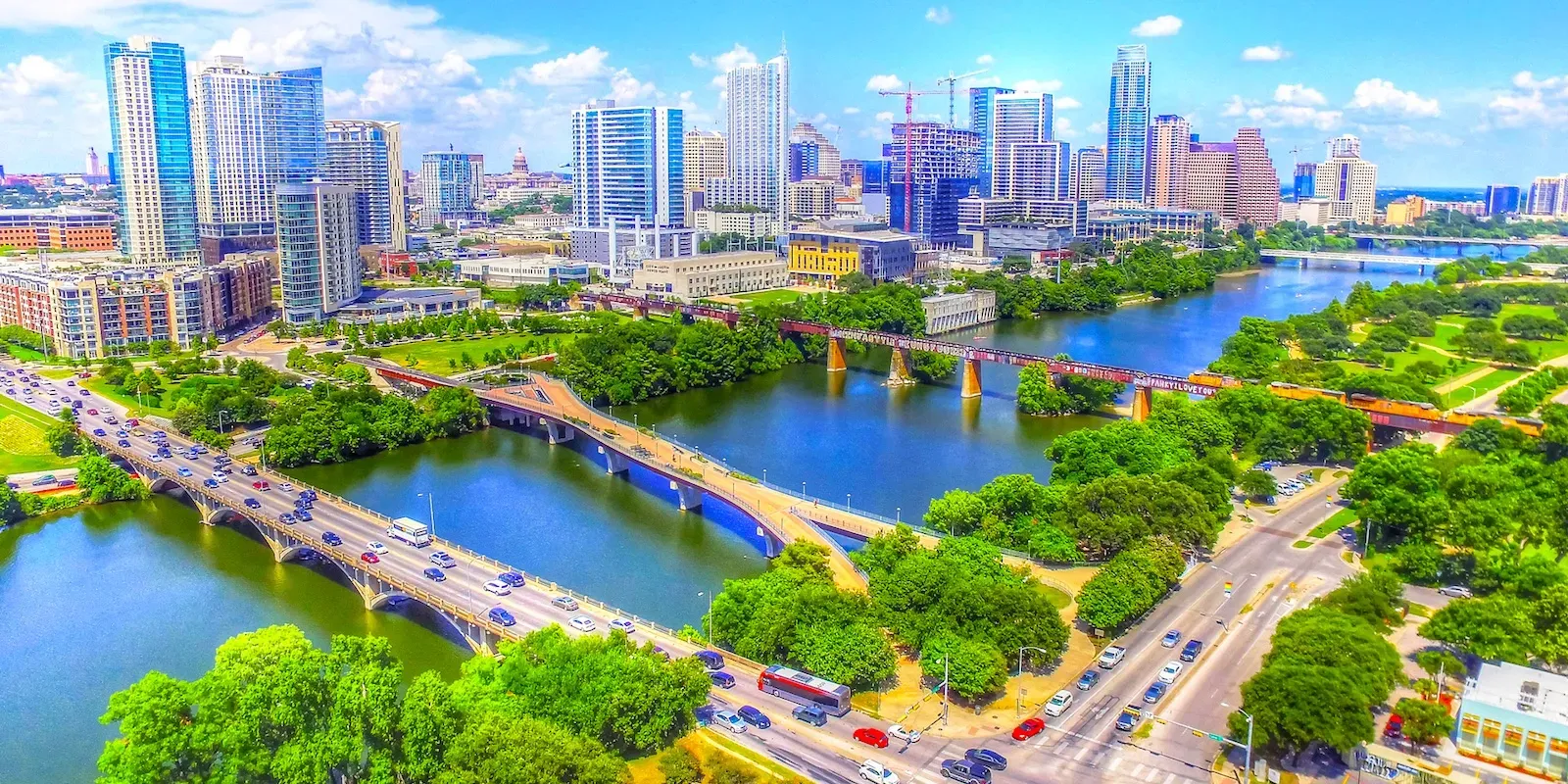
Austin is the capital of Texas, but its character differs greatly from what one might expect of an institutional capital: it is a city that built its identity around live music, food trucks, and a very close relationship with the lake water that runs through it. The center develops along a fairly compact axis, with the Texas Capitol at one end and Lady Bird Lake a little further south, which makes it possible to organize a day without having to choose between zones too far apart.
The exception is the neighborhood of South Congress, just beyond the river, which nonetheless deserves the brief crossing on foot for the contrast with the more institutional atmosphere of the center. The thread of the day can be precisely this route: from the Capitol southward, to the lake, letting the city set the rhythm.
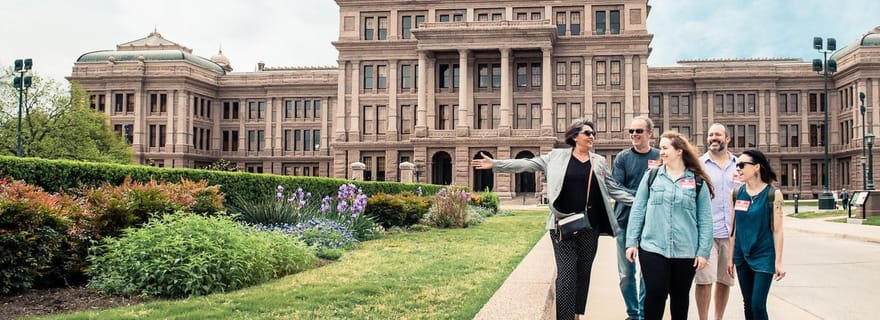
The Texas State Capitol is the point from which it is best to start, the seat of state government which with its pink granite dome exceeds in height that of Washington: it is open and freely visitable, both in the vast gardens surrounding it and in the interiors, with the central rotunda offering an overview of the building's architecture.
From there, descending along Congress Avenue, you cross the center of Austin to the bridge over the Colorado River, which introduces the South Congress neighborhood: a street of independent shops, galleries and venues that have carved out a precise identity in recent decades, with murals that have become photographic points of reference of the city and a more relaxed pace compared to the institutional center just left behind.
In the early afternoon the city naturally moves toward the water: the Lady Bird Lake, the stretch of the Colorado River that crosses Austin, is flanked along its entire length by a pedestrian and bicycle path very frequented by city residents, and is also the starting point for those wanting to rent a canoe or paddleboard to see the city center from the water. For those preferring to swim rather than paddle, an alternative in the same area is the Barton Springs natural pool, fed by springs that keep the water cool year-round.
Toward sunset, the most characteristic observation point of the city is the Congress Avenue Bridge, the same bridge crossed in the morning: under its spans lives the colony of Mexican free-tailed bats largest in North America, which every evening between spring and early autumn exits en mass as light fades, in a natural spectacle followed comfortably from the bridge's railing or from the shores of the lake below.
For the evening, Austin offers two different souls just a few blocks apart: 6th Street, the historic neighborhood of live music venues, with one live music sign after another of clubs and bars facing the street, and Rainey Street, where old residences have been transformed into bars with a more intimate character, each with a small garden or porch. Neither really prevails over the other: the choice depends only on what type of evening you prefer.
The reason why Austin is often described as a special case compared to the rest of Texas emerges already in a few hours: the route from the Capitol to South Congress, all the way to the lake and its bats, brings together the institutional soul, the creative one and the naturalistic one of the city without needing great moves. Left out are the University of Texas campus, as well as much of the music scene that develops beyond the center, but even in a single day you understand well why Austin continues to attract those who visit it even just in passing.
Guided tours and experiences in Austin
Related articles
You might also like...
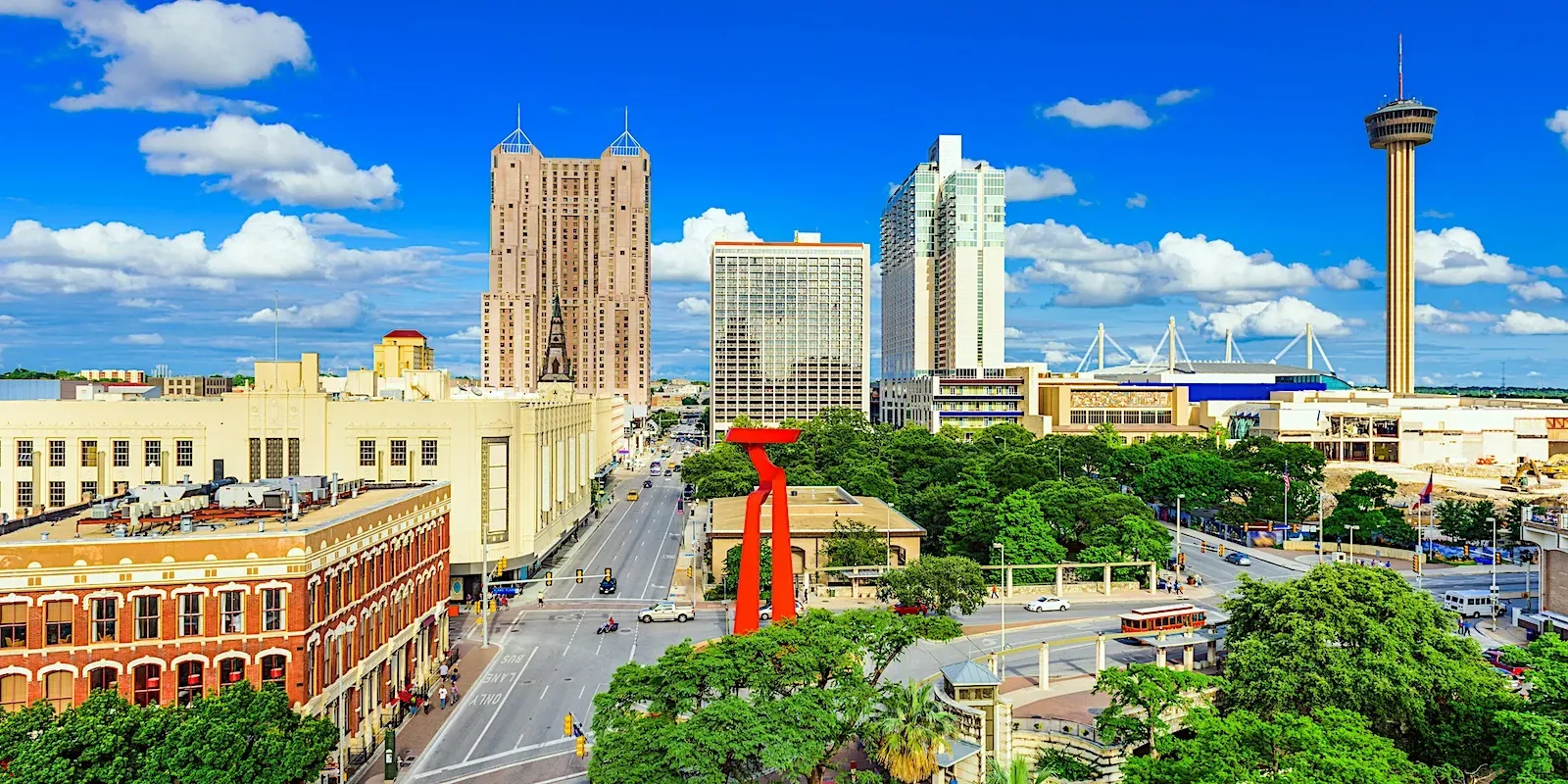
San Antonio: the Alamo and the river below the city
Houston: space, museums and urban park

Chek Lap Kok International Airport: where to stay, areas and recommended hotels

Växjö Kronoberg Airport: where to stay, areas and recommended hotels
Guarulhos lounges: which one to choose in the three terminals