Banjul: mangroves and markets at the mouth of the Gambia
Africa's smallest capital by population, Banjul sits on an island at the mouth of the Gambia River.
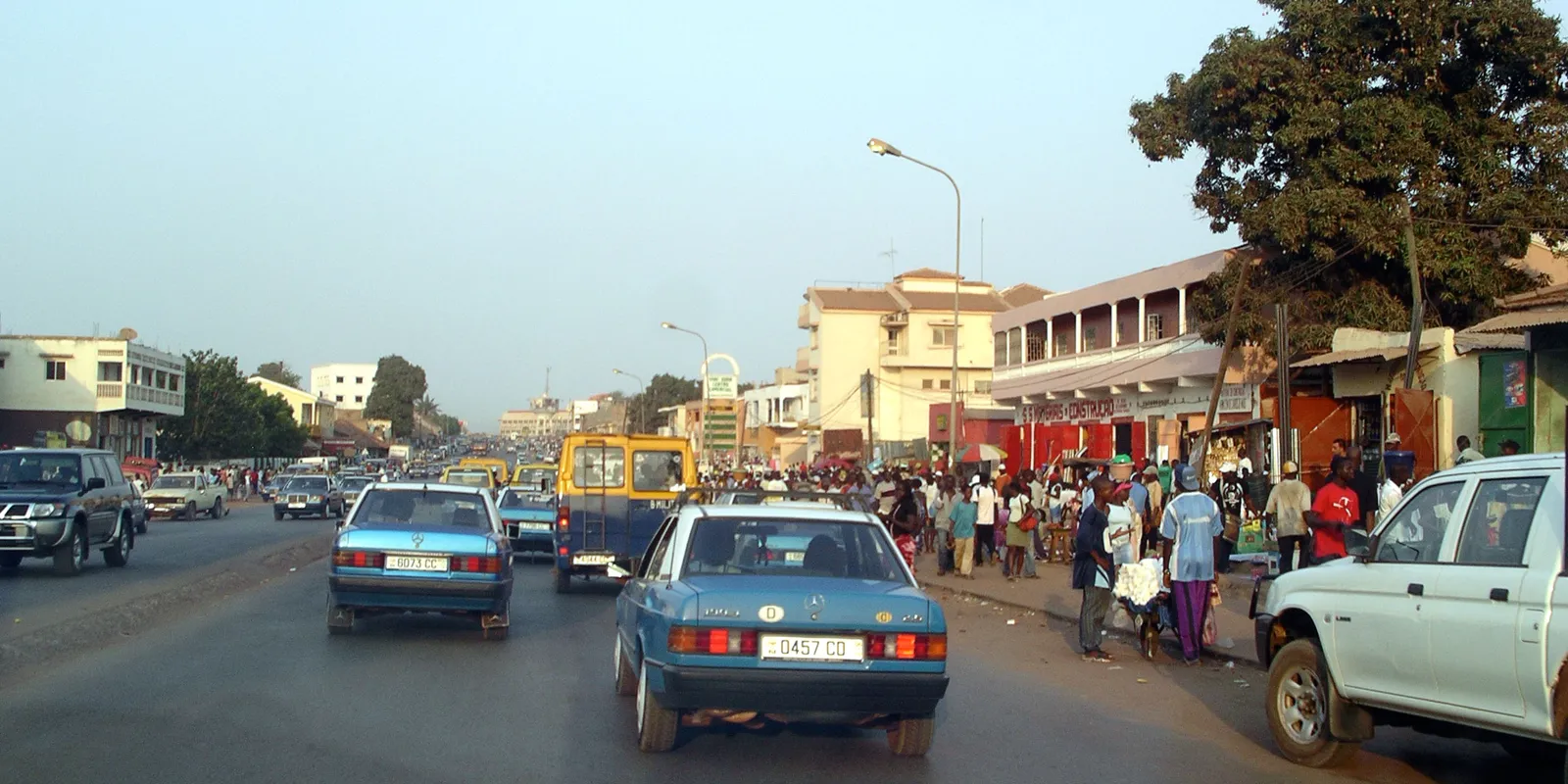
Taxis and shared minibuses remain the most common way to get around.
Albert Market, Banjul's main covered market, sells traditional Gambian textiles, spices, and crafts.
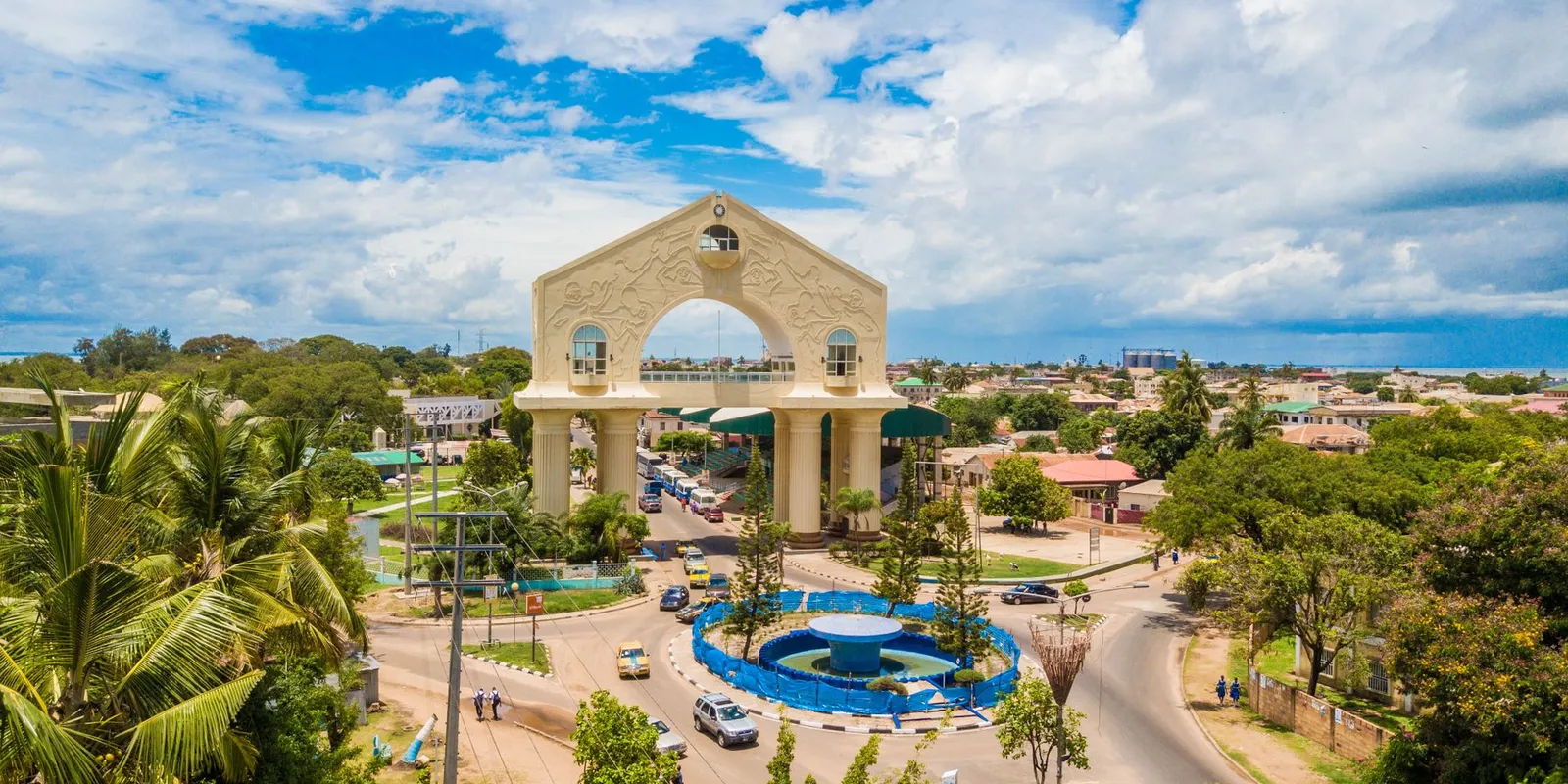
Just steps away, the Arch 22, a monument commemorating the 1994 coup, remains the city's most recognizable architectural symbol, visible from much of the center.
Continuing along the coast you reach the National Museum of The Gambia, which tells the country's history from the Atlantic slave trade to independence.
Toward evening, a boat tour along the Gambia River allows observation of hippopotamuses and water birds in the delta.
Banjul, with only a few thousand residents in its urban core, remains the least populous capital city of mainland Africa, though the surrounding metropolitan area is home to hundreds of thousands spread across multiple islands and suburbs.
The Gambia River, which gives the country its name, remains navigable for hundreds of kilometers inland, once used by European merchants as a route for commercial penetration into West Africa and today a destination for river safaris.
Related articles
You might also like...
One day in Dakar: itinerary and highlights
Bissau: the gateway to the Bijagós archipelago

Marechal Rondon Airport: where to stay, areas and recommended hotels

Don Mueang International Airport: where to stay, areas and recommended hotels

Documents for children traveling by plane