Bissau: the gateway to the Bijagós archipelago
Capital of Guinea-Bissau, Bissau remains the departure point for the Bijagós archipelago, a UNESCO biosphere reserve still pristine.
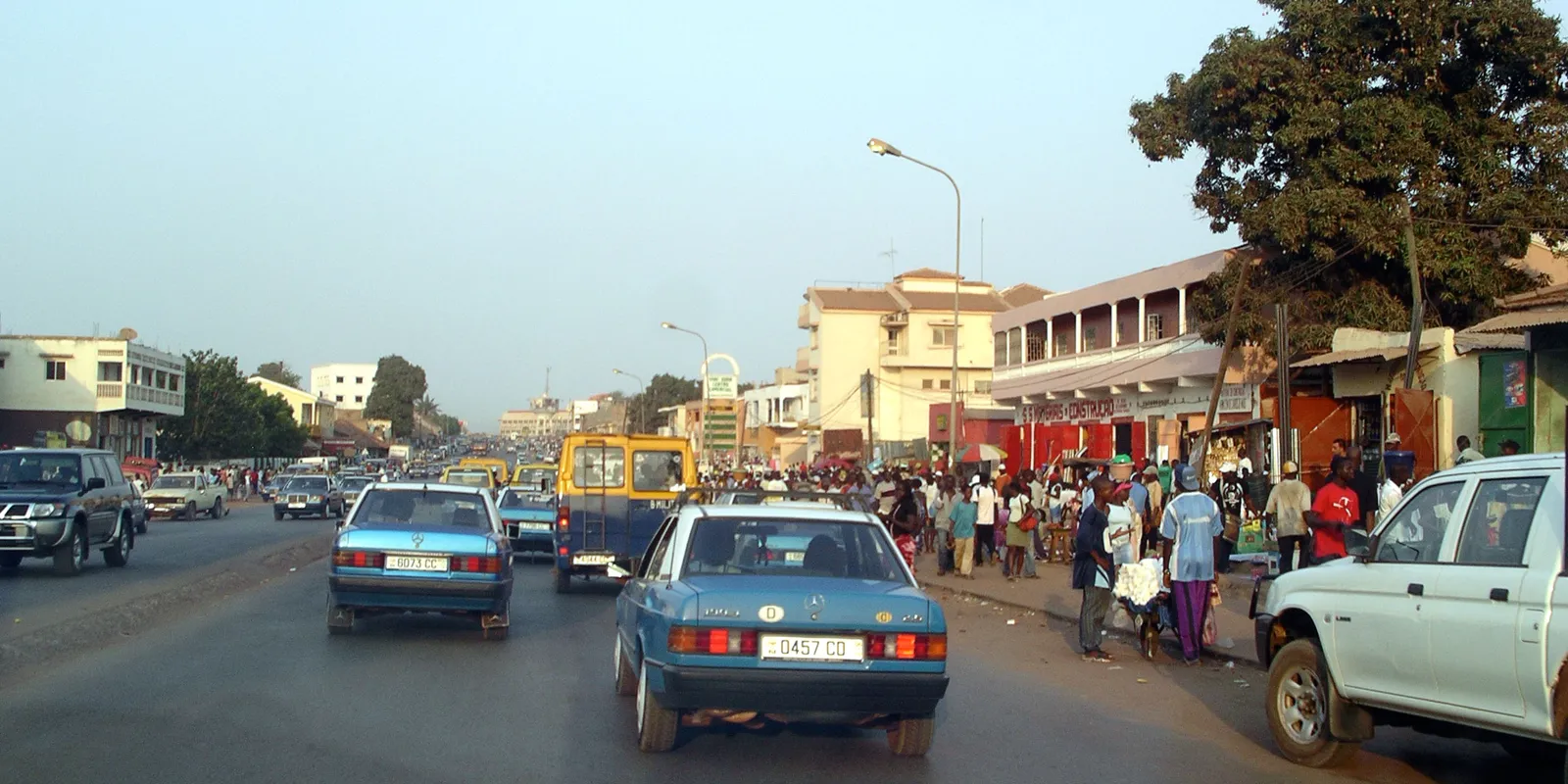
The center, gateway to the Bijagós archipelago, is comfortably explored by shared taxi.
The Amura Fortress, a Portuguese colonial fort dominating Bissau's port, remains one of the capital's most imposing historical monuments.
Steps away, the Bandim Market, among the largest in West Africa, animates trade in foodstuffs and colorful traditional textiles.
Moving seaward, one reaches the Bijagós archipelago, a UNESCO biosphere reserve with over eighty islands, many uninhabited and rich in rare wildlife.
Towards evening, Bissau's waterfront animates with restaurants serving fresh fish with views of the Atlantic Ocean.
The Bijagós Archipelago, declared a UNESCO Biosphere Reserve in 1996, is home to hippos that swim in the saltwater ocean, a rare behavior observed in only a handful of other places worldwide and studied by international marine biologists.
The Bijagó peoples, who have inhabited the archipelago for centuries, maintain a matrilineal society rare in West Africa, where women choose their own husbands according to ancestral traditions still observed today, a unique anthropological phenomenon studied by foreign researchers.
Related articles

You might also like...
Banjul: mangroves and markets at the mouth of the Gambia
Conakry: the gateway to the Loos Islands

Luxembourg City-Findel International Airport: where to stay, areas and recommended hotels

San Sebastian Airport: where to stay, areas and recommended hotels

Dog on a plane: preparation in the weeks before