Basrah Today: Southern Iraq Between Oil and Instability
Founded in the seventh century, Basrah was long nicknamed the Venice of the Middle East for its network of canals, and tradition links it to the tales of Sinbad the Sailor.
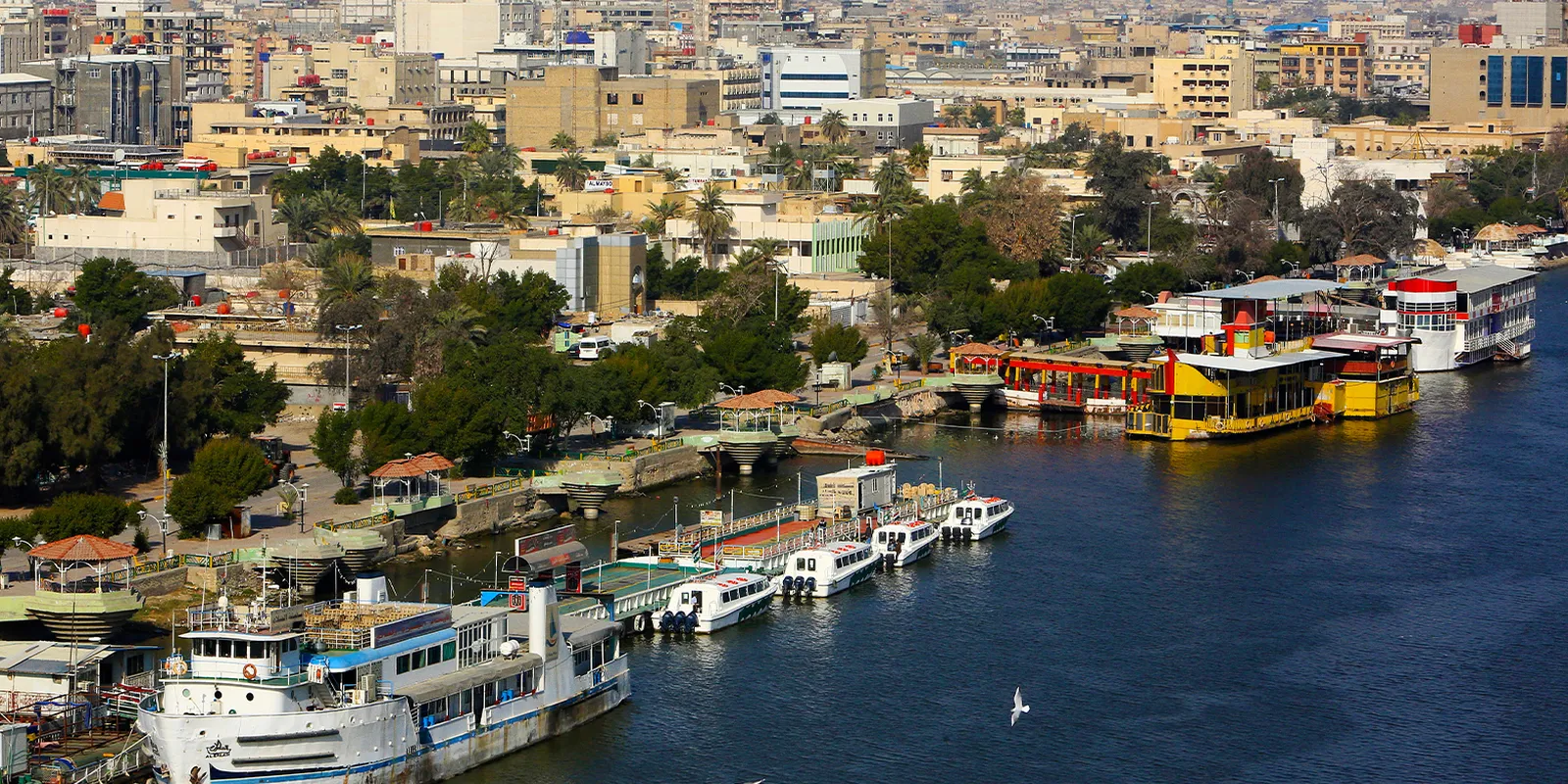
A port city on the Shatt al-Arab River, it remains today the heart of Iraqi oil industry, with Ottoman architectural heritage still legible in the historic downtown.
Security in Basrah is generally less critical than in other areas of Iraq, but the city remains marked by widespread presence of militias linked to political factions and supported by Iran.
In 2018 serious protests over the shortage of drinking water and essential services were suppressed with violence, causing several deaths and revealing the fragility of local institutions.
Pollution related to the oil industry and poor management of water resources remain structural problems that fuel recurring social discontent.
International travel recommendations remain cautious for Basrah as well, while indicating a risk generally lower than in Baghdad or the northern areas of the country.
Under normal conditions, Basrah would offer strolls along historic canals, discovery of the Ottoman heritage in the center, and views over the Shatt al-Arab river toward the Persian Gulf.
More stable management of resources and local political tensions would be the foundation for a more solid tourist reopening of this port city.
Related articles

You might also like...
Kuwait City: modern towers on the Persian Gulf
Isfahan: half the world beneath blue domes

Reus Air Base: where to stay, areas and recommended hotels

Presidente Nicolau Lobato International Airport: where to stay, areas and recommended hotels
Arik Air in 2026: What It Means to Fly with an Airline Under Receivership for Nine Years