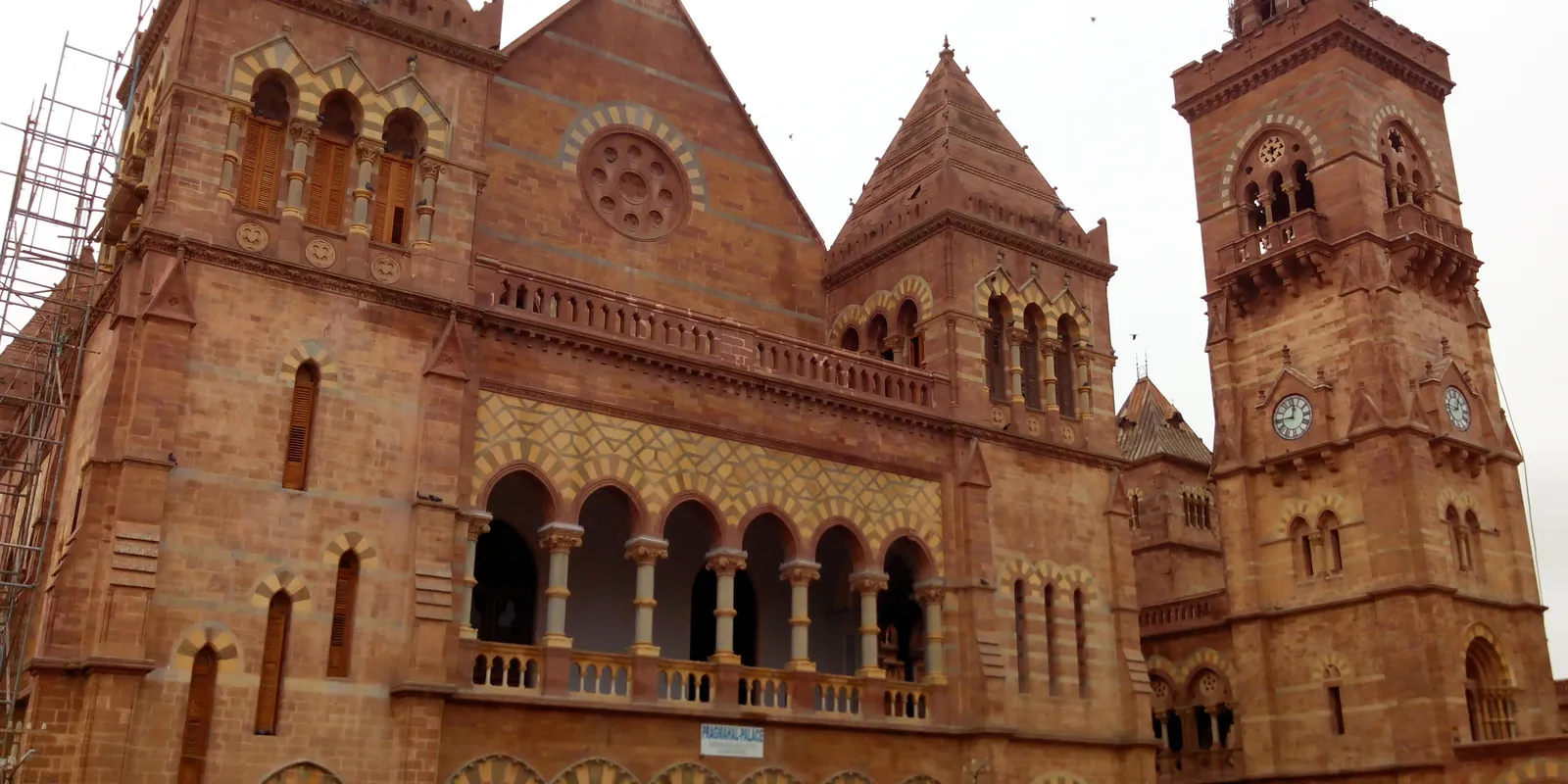

Bhuj: textile craft at the edge of the salt desert
Rebuilt after a devastating earthquake in 2001, Bhuj remains the departure point for exploring the Rann of Kutch, one of the world's largest salt deserts.
A car remains necessary to reach the desert.
The Aina Mahal Palace, partially damaged by the 2001 earthquake, still preserves rooms decorated with mirrors and Venetian chandeliers from the eighteenth century.
A short walk away, the artisan villages around Bhuj produce embroidery, mirror-inlaid textiles and block prints according to techniques passed down through generations.
In the afternoon, it is best to reach the White Rann of Kutch, an expanse of salt that stretches to the horizon, particularly evocative under the full moon.
In the evening, the Rann Utsav cultural festival, when active during the winter season, enlivens the desert with music, dance and local crafts in a temporary tent camp.
The earthquake of 2001, among the most devastating in recent Indian history, killed tens of thousands of people in the Kutch region and forced Bhuj into an almost complete reconstruction of its historic center.
The White Rann of Kutch, submerged by the sea during the rainy season, dries completely in the winter months leaving a crust of white salt that reflects moonlight almost like snow.
Related articles

You might also like...
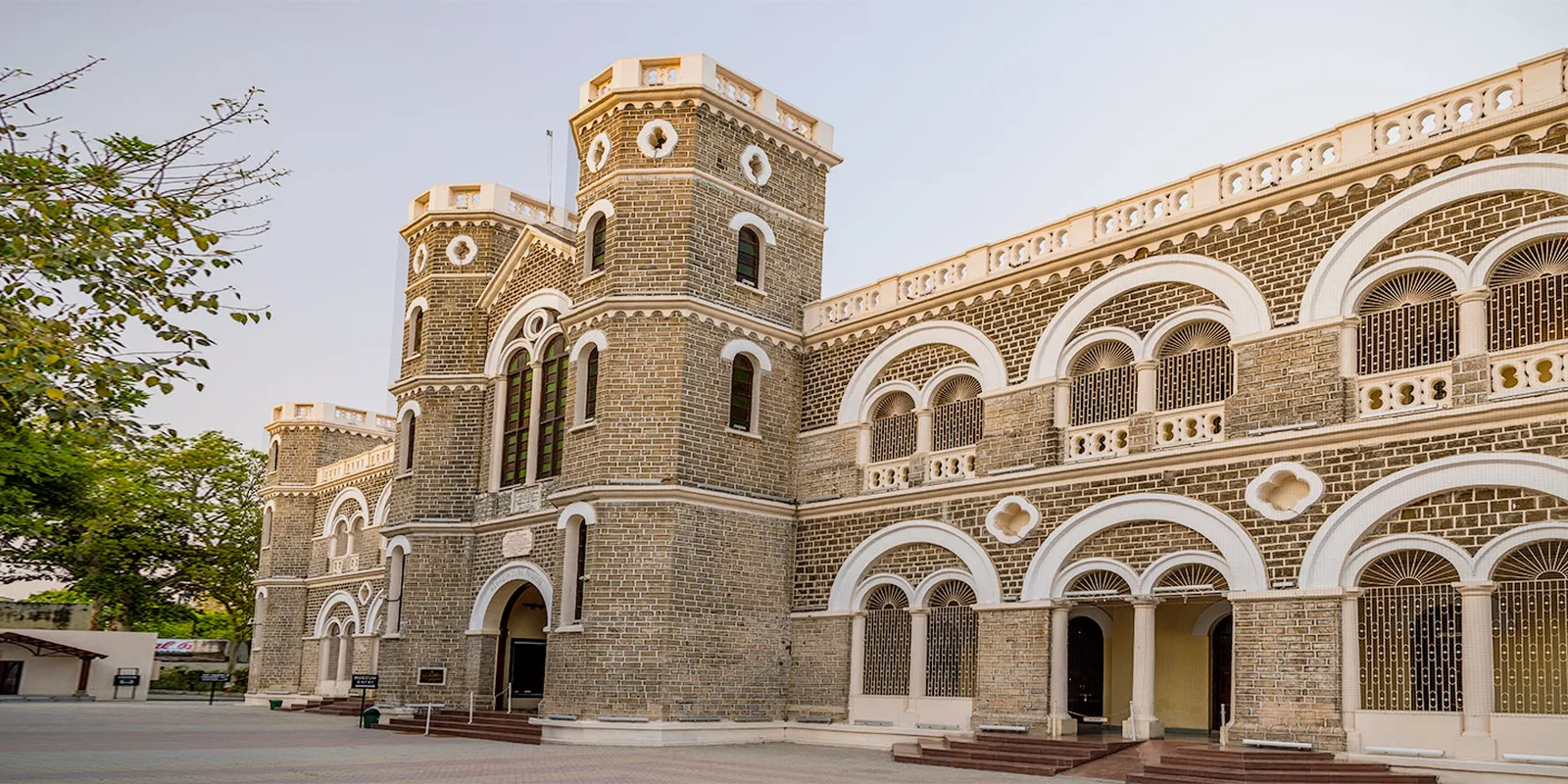
Rajkot: the city of Gandhi's childhood
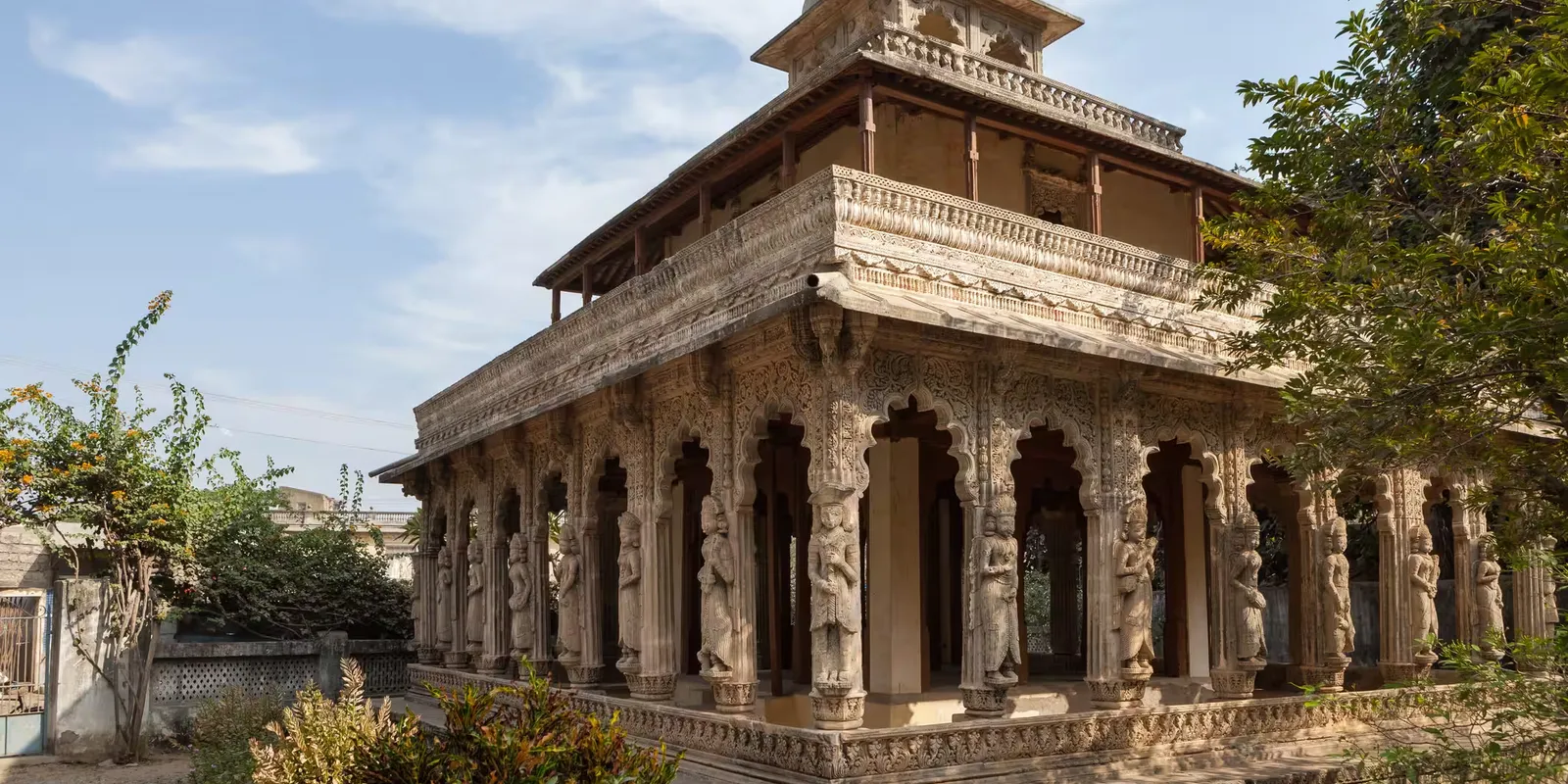
Porbandar: the birthplace of Mahatma Gandhi

Zagreb Airport: where to stay, areas and recommended hotels

Stornoway Airport: where to stay, areas and recommended hotels

Apps to check flight status: how they work