
Birmingham: the city of civil rights
Theater of some of the hardest clashes of the American civil rights movement in the 1960s, Birmingham in Alabama still bears signs of that recent history.
The center, site of civil rights marches in the 1960s, is comfortably explored on foot.
The Birmingham Civil Rights Institute, facing Kelly Ingram Park, reconstructs through photographs and testimonies the protests violently suppressed by local police in 1963.
Just steps away, the Sixteenth Street Baptist Church, struck by a dynamite attack in 1963 that killed four young girls, remains a symbolic place in the struggle for civil rights.
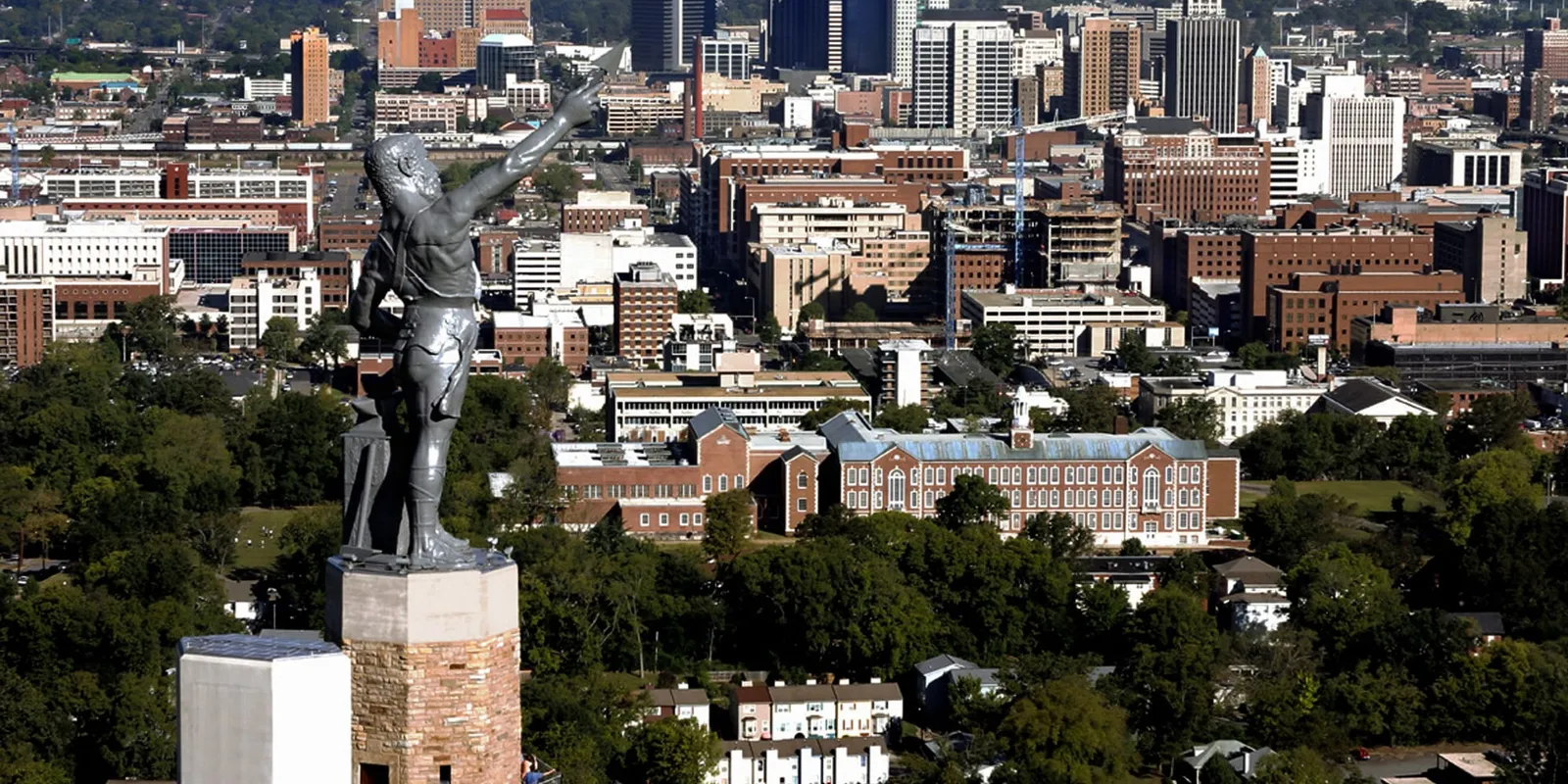
Moving forward, one reaches Vulcan Park, where a seventeen-meter iron statue celebrates the city's industrial past linked to iron and steel processing.
As evening falls, the Five Points South neighborhood, with its bars and restaurants, closes the day in the city's most vibrant modern area.
The images of Birmingham's protests being suppressed with water cannons and police dogs circulated worldwide in 1963, helping drive the U.S. Congress to pass the Civil Rights Act the following year.
The Vulcan statue in Birmingham remains the world's largest statue ever cast in iron, symbolizing an iron industry that made the city one of the American South's principal manufacturing centers.
Related articles

You might also like...
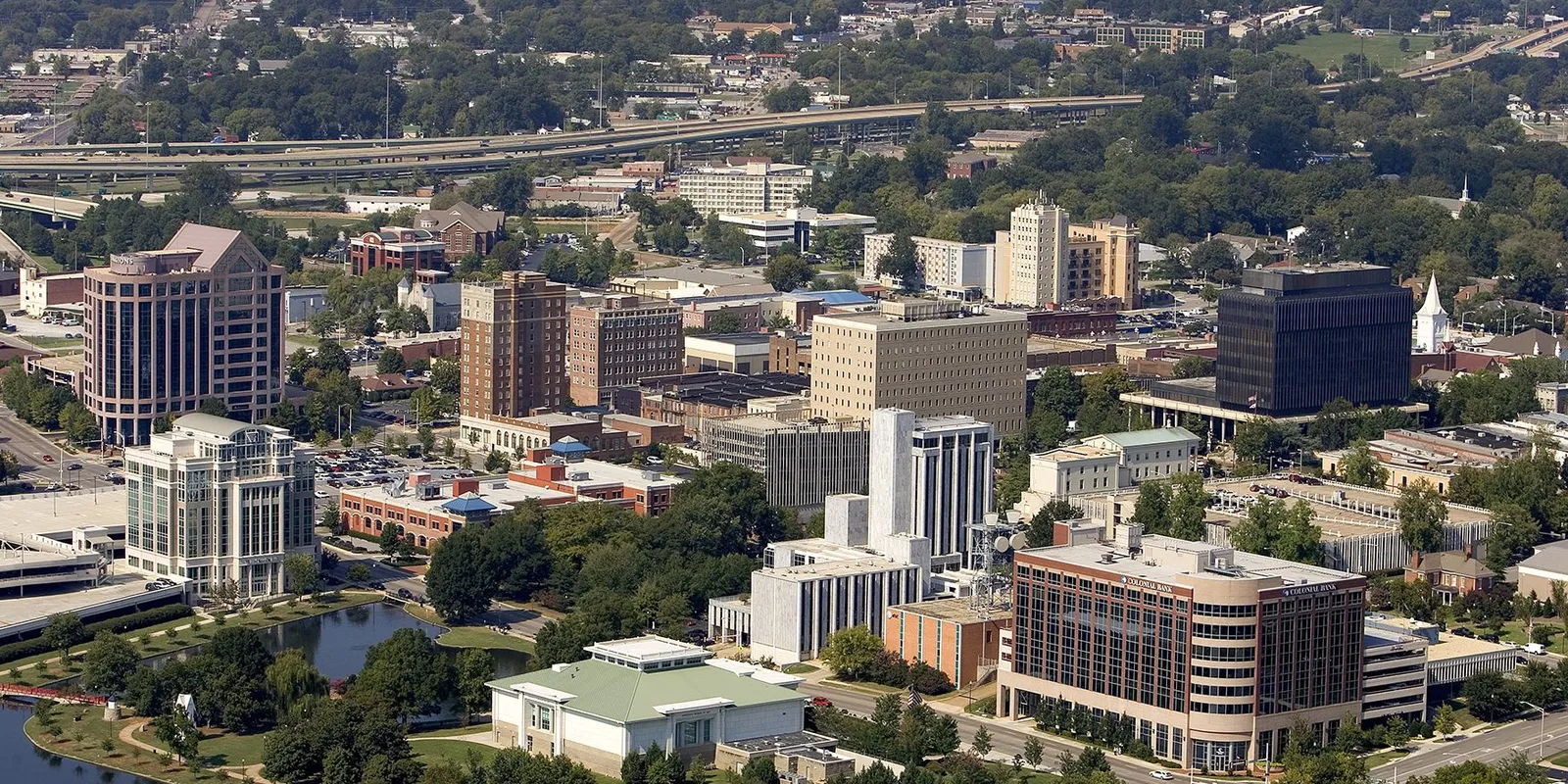
Huntsville: where the moon rocket was born
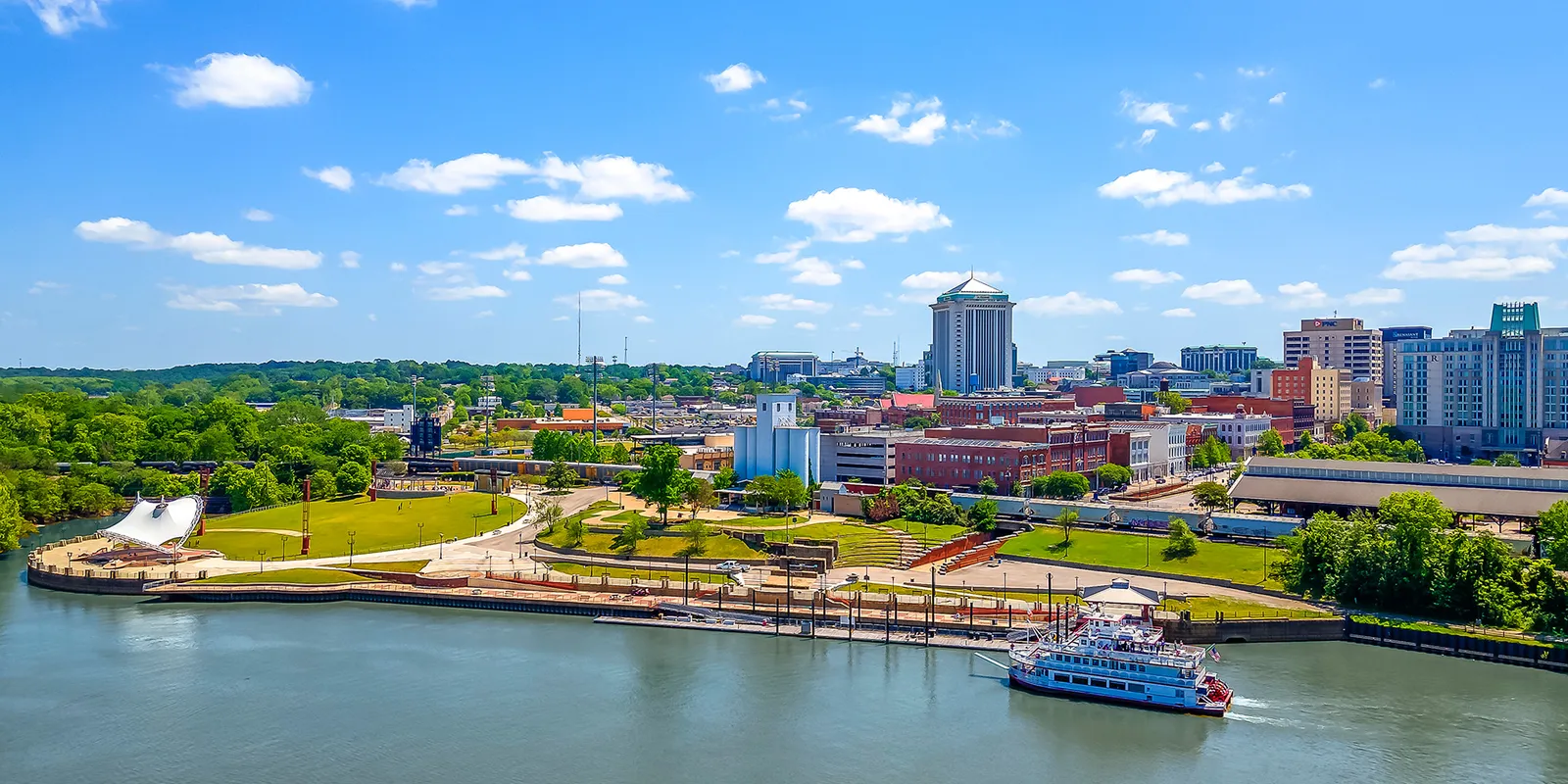
Montgomery: where Rosa Parks said no
Endeavor Air: Who Really Operates Many Delta Connection Regional Flights and With Which Aircraft

Proserpine Whitsunday Coast Airport: where to stay, areas and recommended hotels
Air Botswana: The ATR 72 Fleet and the Country's Safari Connections
