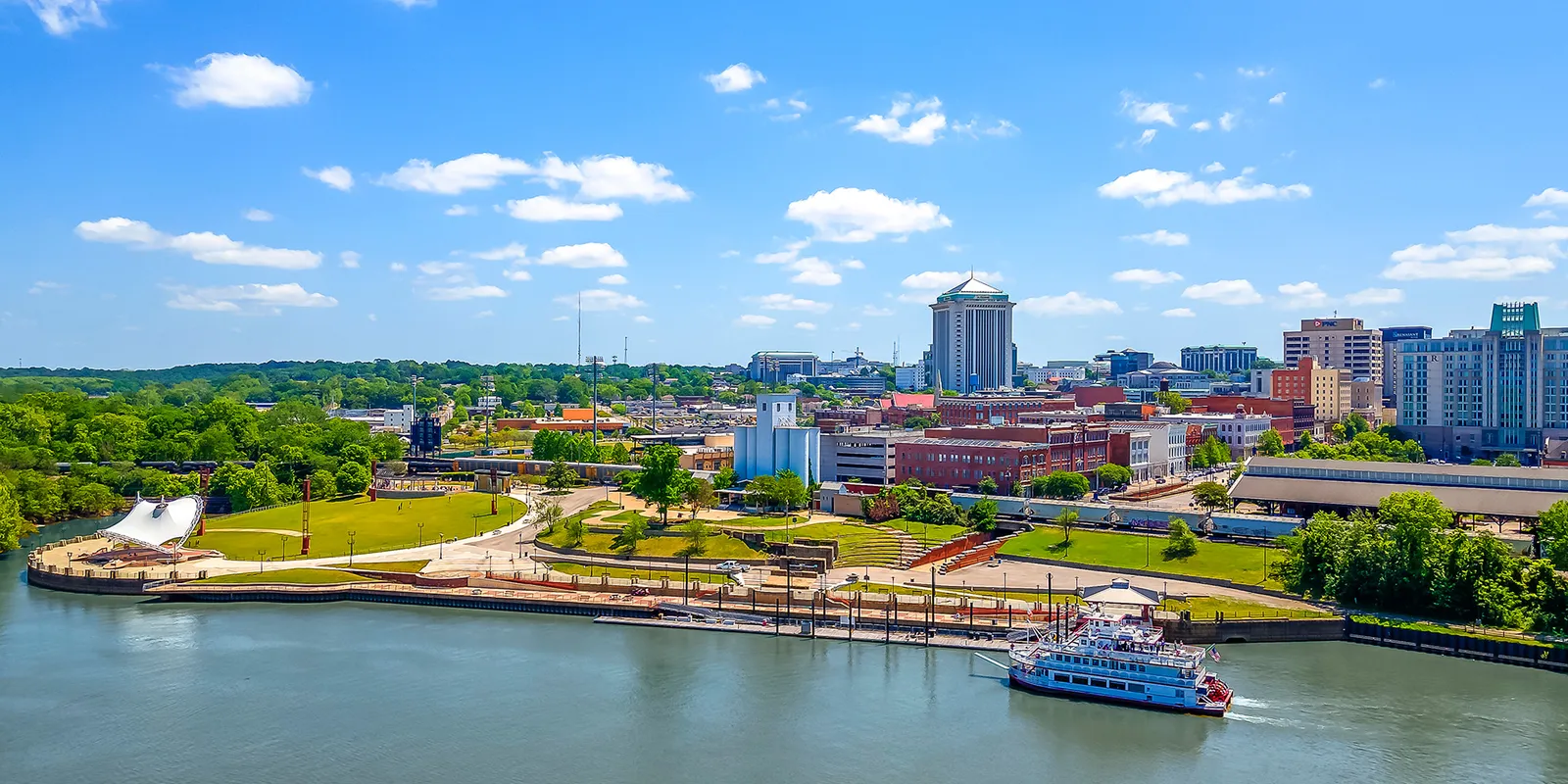

Montgomery: where Rosa Parks said no
In 1955, Rosa Parks refused to give up her seat on a bus in Montgomery, triggering a boycott that would forever change the history of American civil rights.
The centre, where Rosa Parks refused to give up her seat on the bus in 1955, is easily explored on foot.
The Rosa Parks Museum, built at the exact location of the arrest of the African American seamstress in 1955, reconstructs the scene aboard a vintage bus.
Just steps away, the Dexter Avenue Baptist Church, where Martin Luther King served as pastor, preserves the office where the young preacher organized the bus boycott.
Continuing on, one visits the Legacy Museum, which connects the history of American slavery to the racial inequalities that persist to this day.
Toward evening, the Alabama Capitol, where Jefferson Davis swore in as president of the Confederacy in 1861, closes the day on a hill of the historic center.
The boycott of Montgomery's buses, lasting three hundred eighty-one days after Rosa Parks' arrest, ended only when the Supreme Court declared racial segregation on public transportation unconstitutional.
Montgomery was also the first capital of the Confederate States of America before the seat of government moved to Richmond, a dual past that the city addresses today with museums dedicated to both chapters of its history.
Related articles
You might also like...
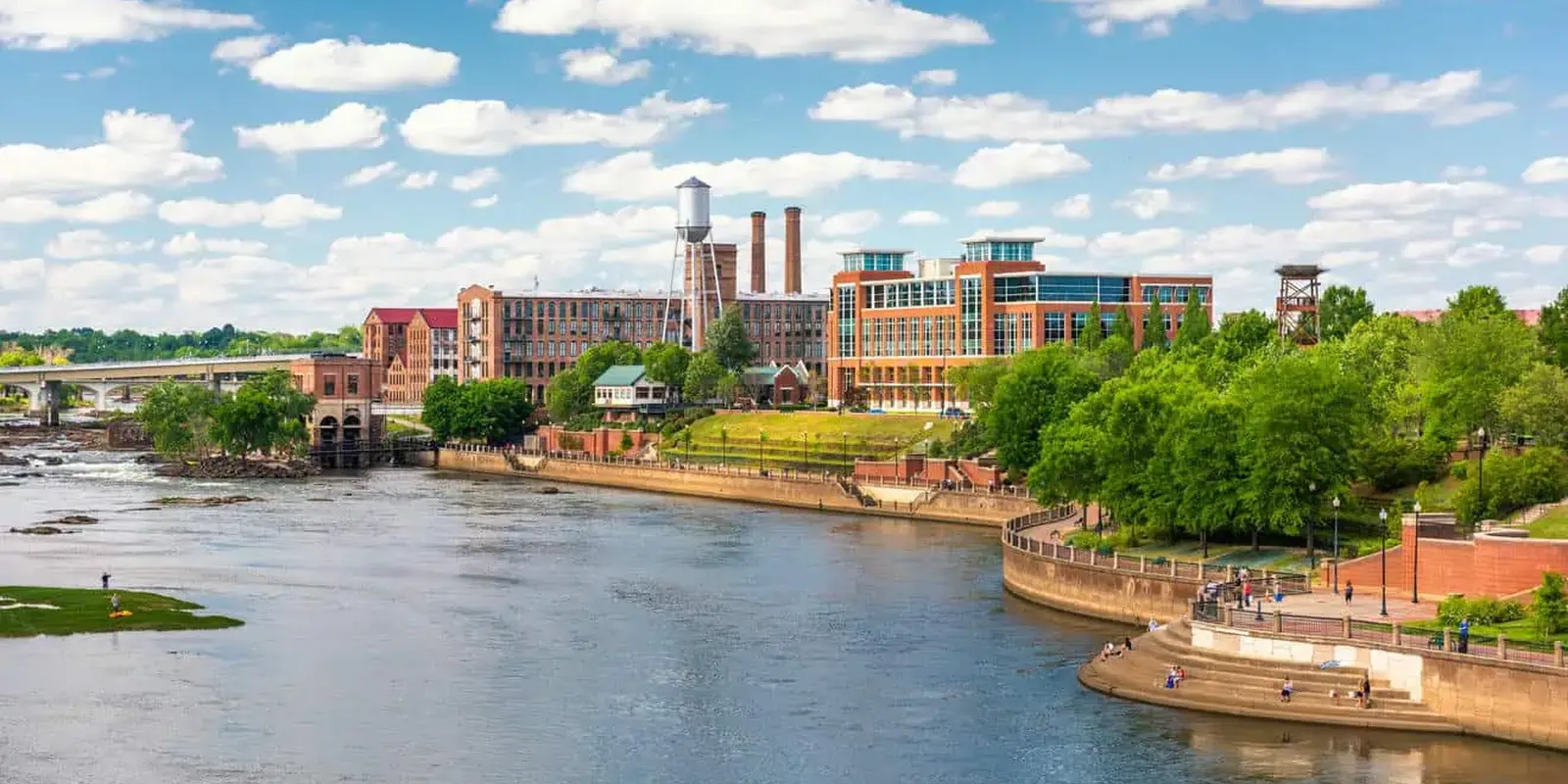
Columbus: the world's longest urban rafting course
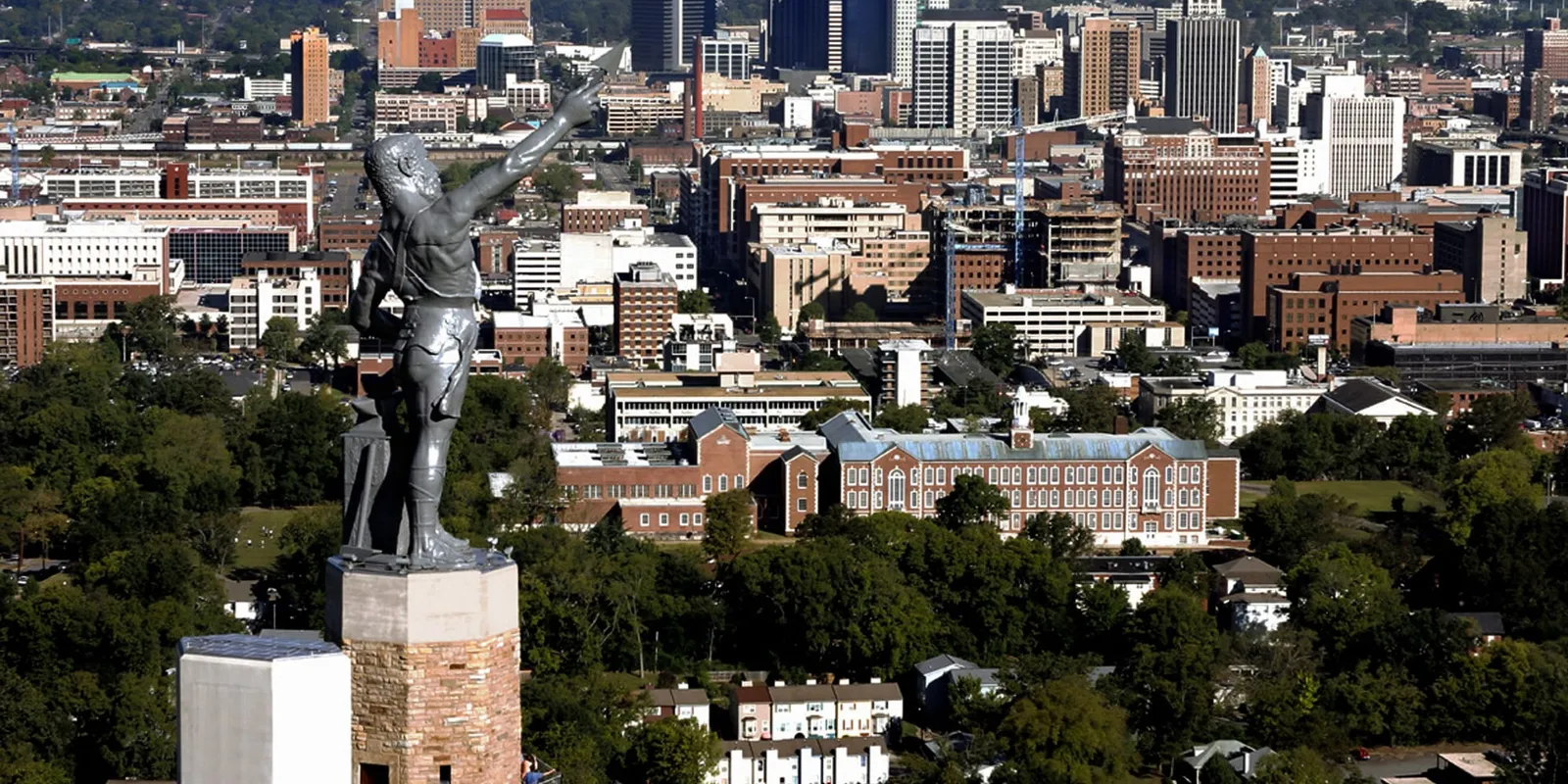
Birmingham: the city of civil rights

Richmond International Airport: where to stay, areas and recommended hotels
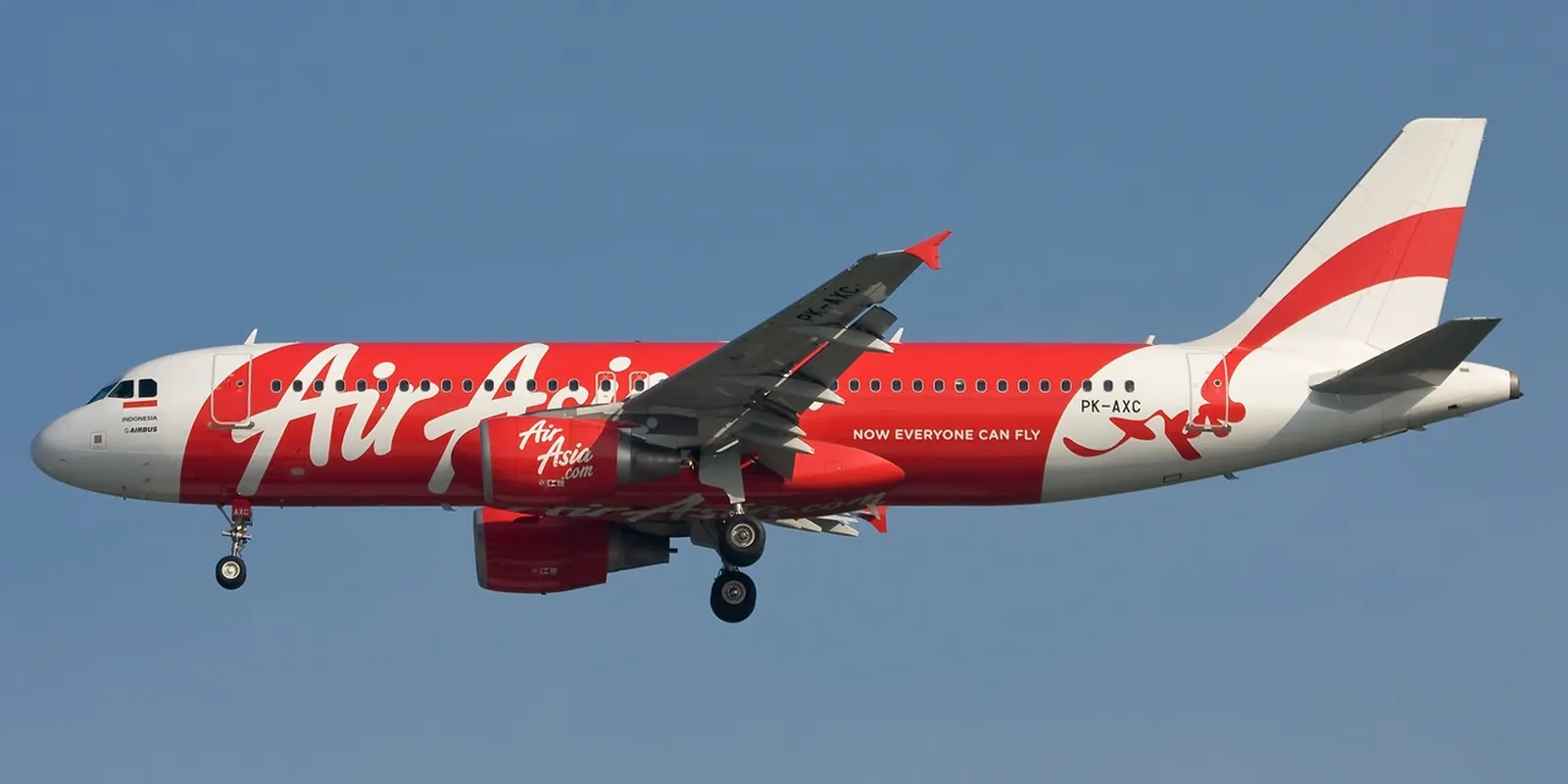
Indonesia AirAsia: Low-Cost Fares, Paid Baggage and What to Expect on Board

ASL Airlines Belgium: The Belgian Cargo Airline That Carries No Passengers, and How It Works
