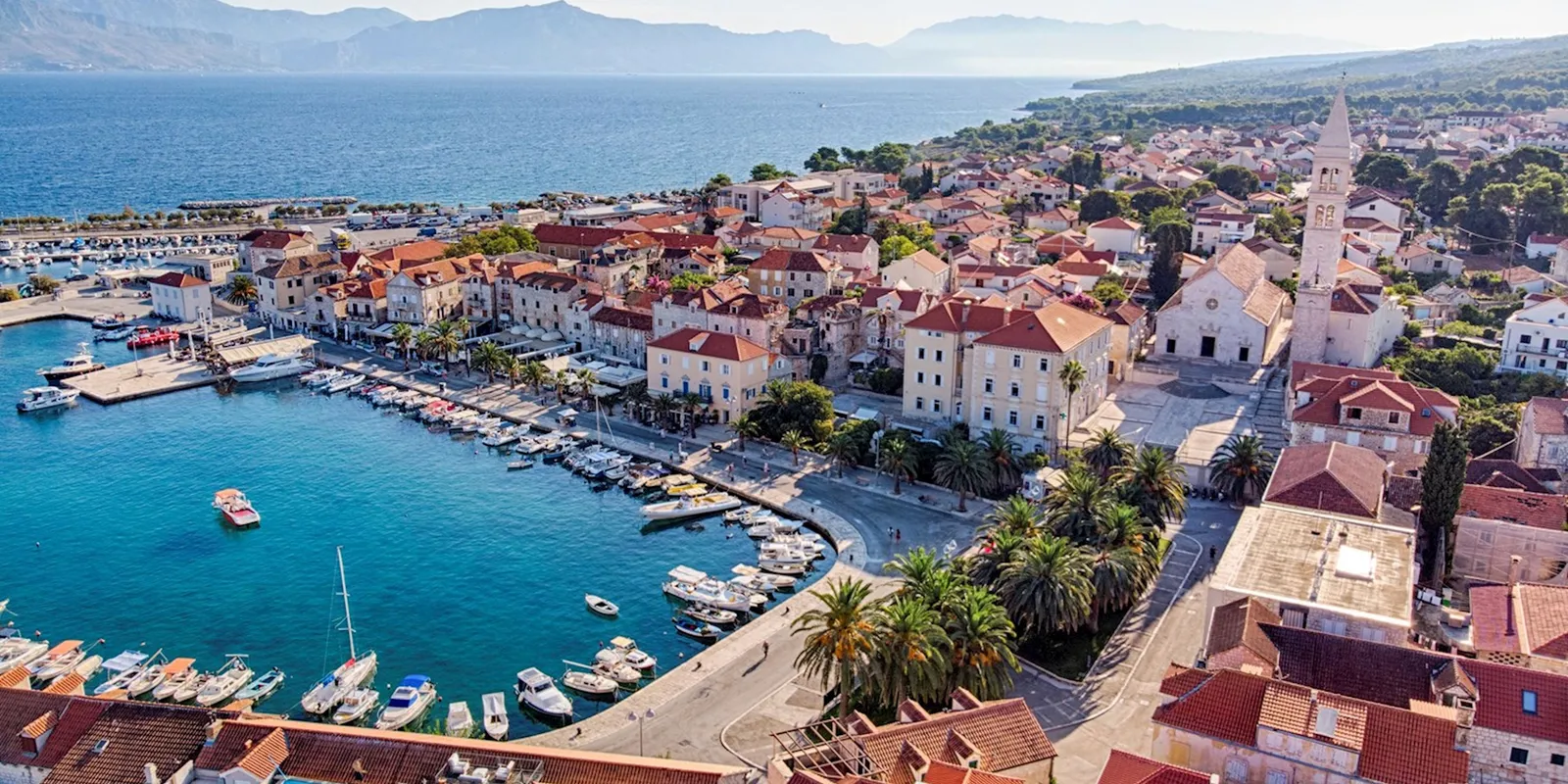
Brač Island: the beach that changes shape
The beach of Zlatni Rat on the island of Brač changes shape with marine currents, making its famous horn-tipped point different almost every season.
A car or local ferry remains necessary to travel around the island.
The beach of Zlatni Rat, a peninsula of white pebbles extending into the Adriatic Sea, remains one of the most recognizable images of all Croatia.
Inland, the village of Škrip, the oldest on the island, preserves defensive towers and stone houses built over Illyrian and Roman ruins.
Climbing toward the interior one reaches Vidova Gora, the highest point of all Croatian Adriatic islands, with a view of the island of Hvar across the way.
Toward evening, the quarries of white stone from Brač, used according to local tradition even for the White House in Washington, offer one last glimpse before sunset.
The horn shape of Zlatni Rat changes slightly each year depending on marine currents and seasonal winds, making the beach a natural phenomenon in constant and slow transformation.
The white stone of Brač, extracted from quarries active since Roman times, has been used in numerous historic buildings across Europe and America, and according to local tradition, even in the White House itself.
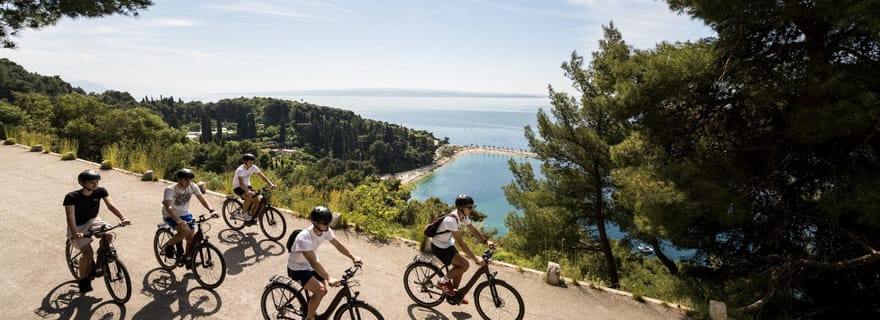
Guided tours and experiences in Brač Island


Related articles

You might also like...
Split: the city inside Diocletian's Palace
Mostar: the rebuilt bridge over the Neretva

Cataratas del Iguazú International Airport: where to stay, areas and recommended hotels

Lengpui Airport: where to stay, areas and recommended hotels

What to do if the gate changes at the last minute