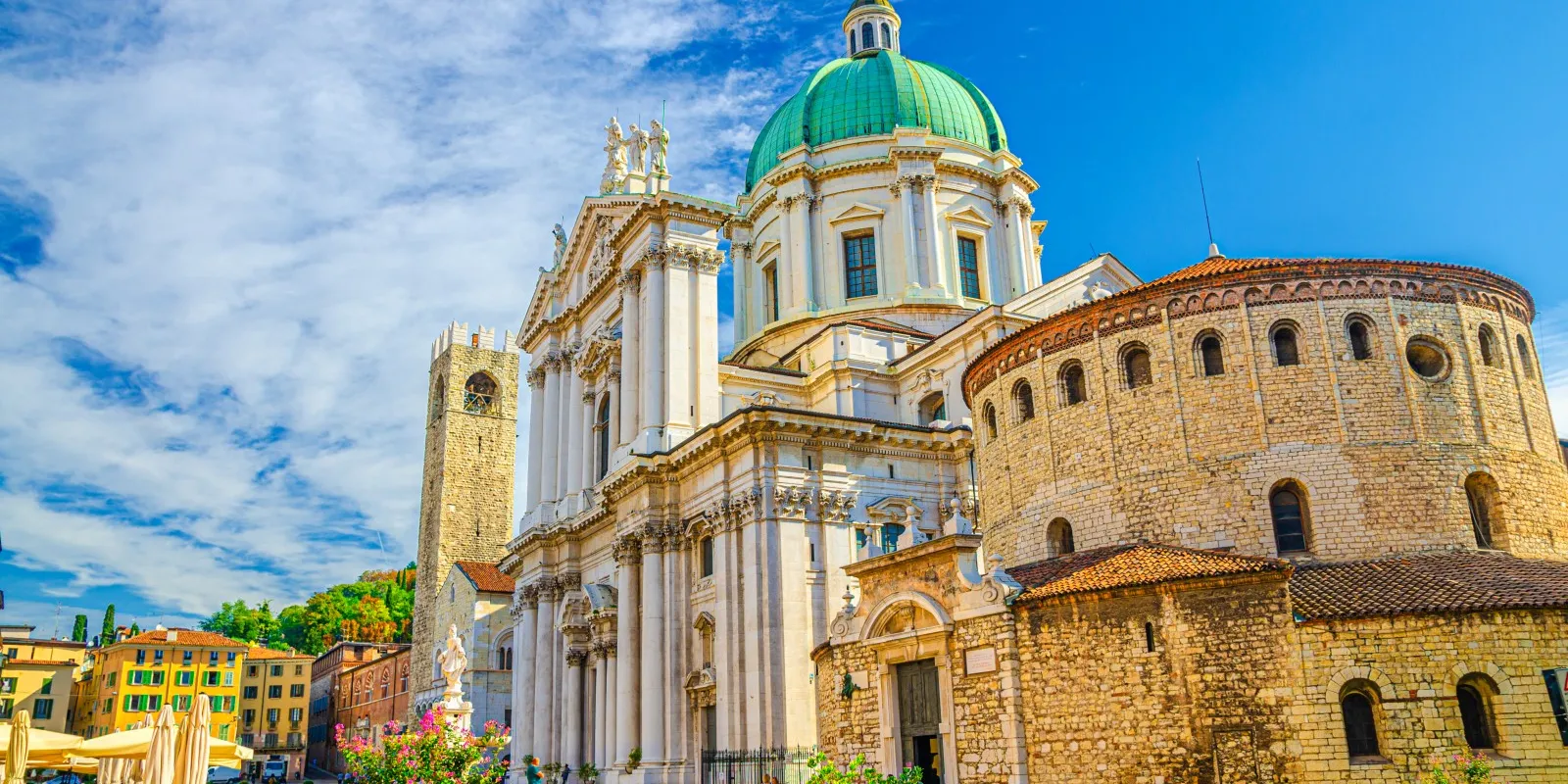

Brescia: the Rome of northern Italy
Beneath Brescia's streets hides one of northern Italy's best-preserved Roman archaeological complexes, a UNESCO site alongside the nearby Santa Giulia monastery.
The historic center is explored on foot, with an automated metro useful for reaching peripheral stations.
The Capitolium, a Roman temple built by Emperor Vespasian in 73 AD, still preserves the original columns of the entrance portico and part of the mosaic floors.
A few steps away, the Monastery of Santa Giulia, an eighth-century Longobard complex, today houses a museum retracing three thousand years of city history through artifacts from different eras.
Continuing on, you reach the Brescia Castle, one of Italy's most extensive fortresses, built on the Cidneo hill that overlooks the entire city and surrounding plain.
Towards evening, Piazza della Loggia, Renaissance and elegant, closes the day in the city's political heart, among arcades and historic cafes.
The Capitolium lay buried beneath rubble for centuries until it was excavated in the nineteenth century, a discovery that revealed how important Brescia had been in Roman times.
The complex of Santa Giulia and Brescia's Roman archaeological area was recognized as a UNESCO World Heritage site in 2011, part of a serial site dedicated to the Longobards in Italy.
Guided tours and experiences in Brescia

Related articles

You might also like...
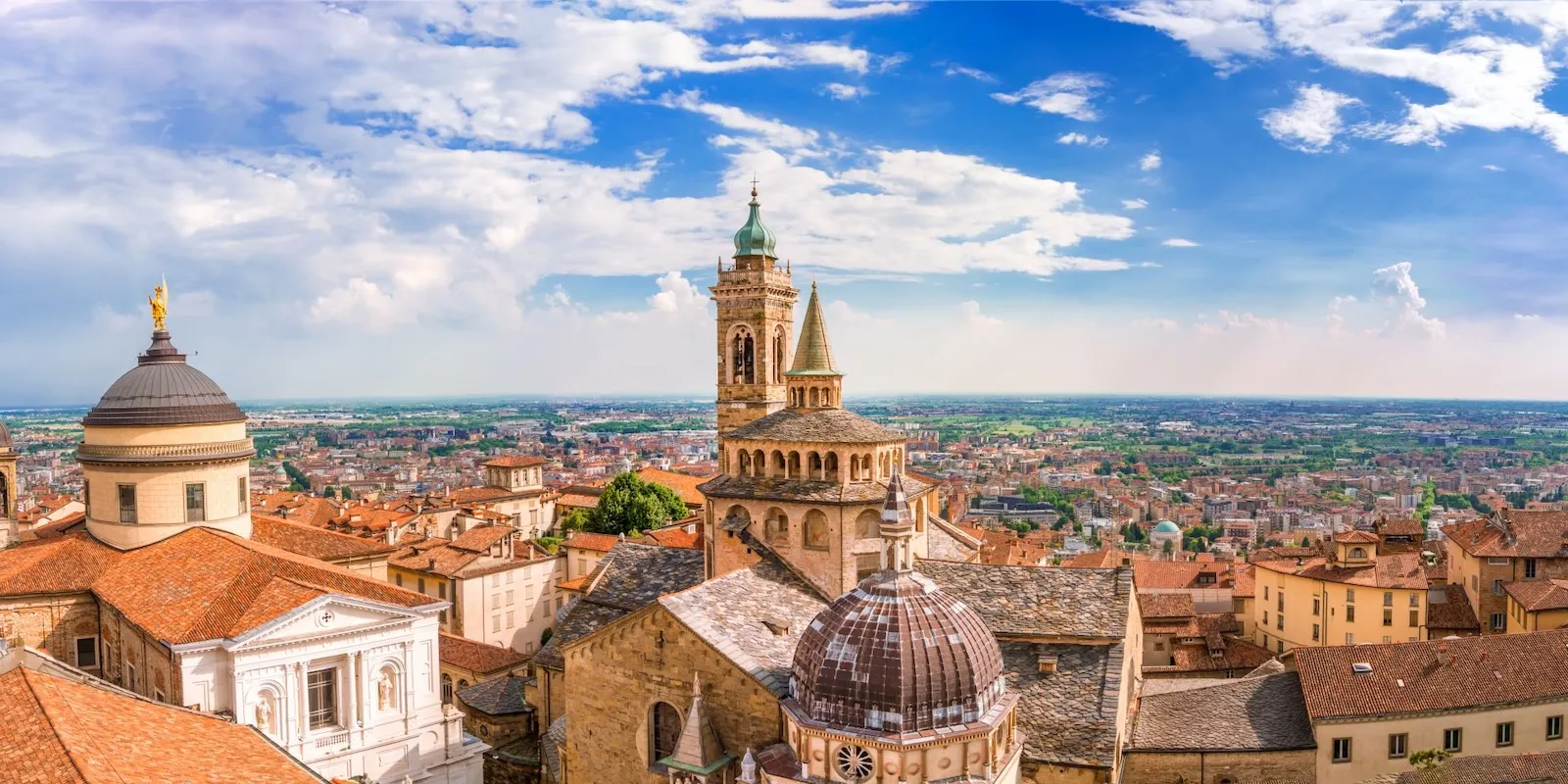
Bergamo: the Upper Town and Venetian walls
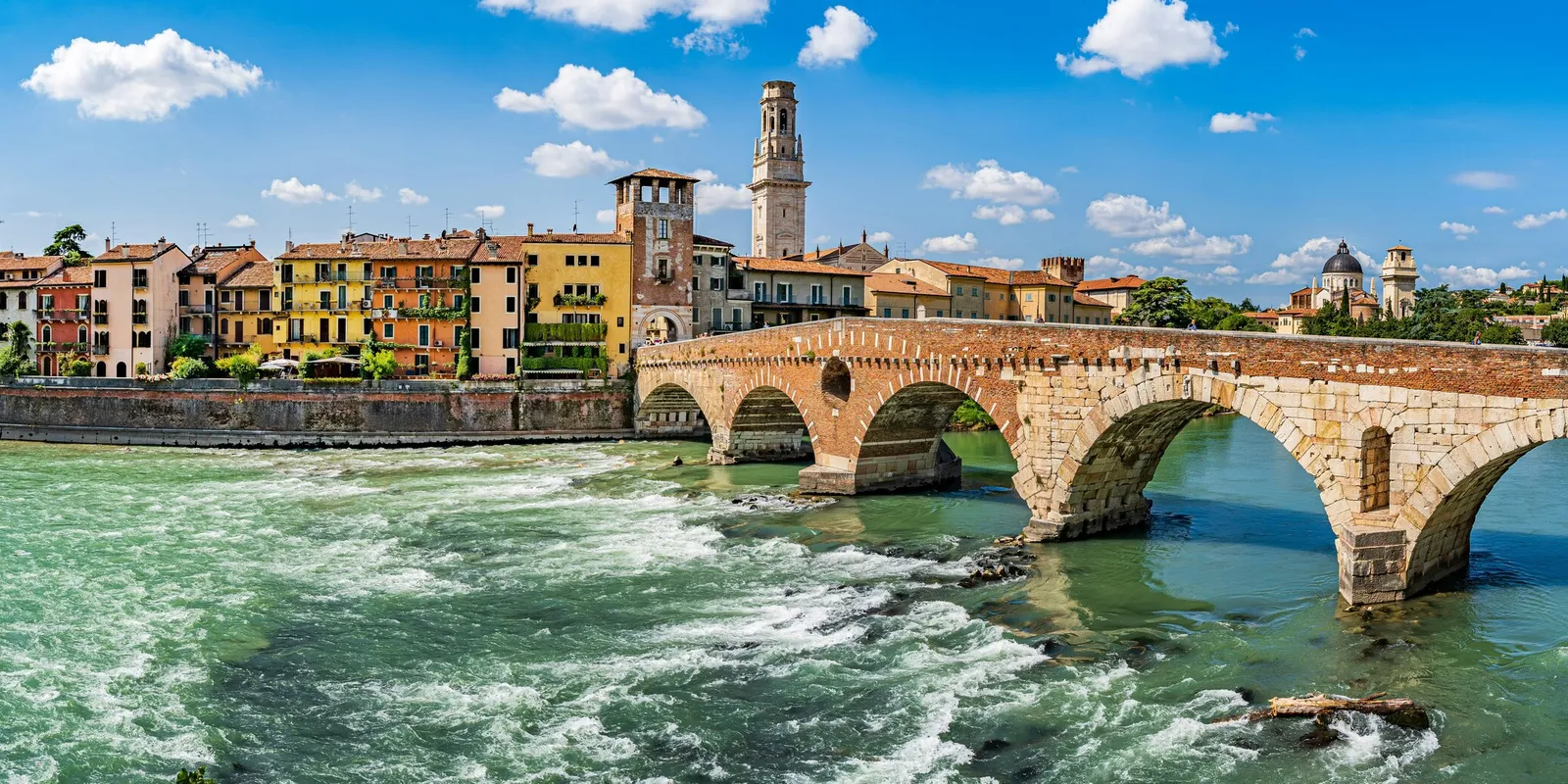
Verona: the Arena and the legend of Juliet

Bordeaux-Mérignac (BA 106) Airport: where to stay, areas and recommended hotels

Billings Logan International Airport: where to stay, areas and recommended hotels

Air Saint Pierre: The Small Airline Connecting the French Archipelago in the North Atlantic