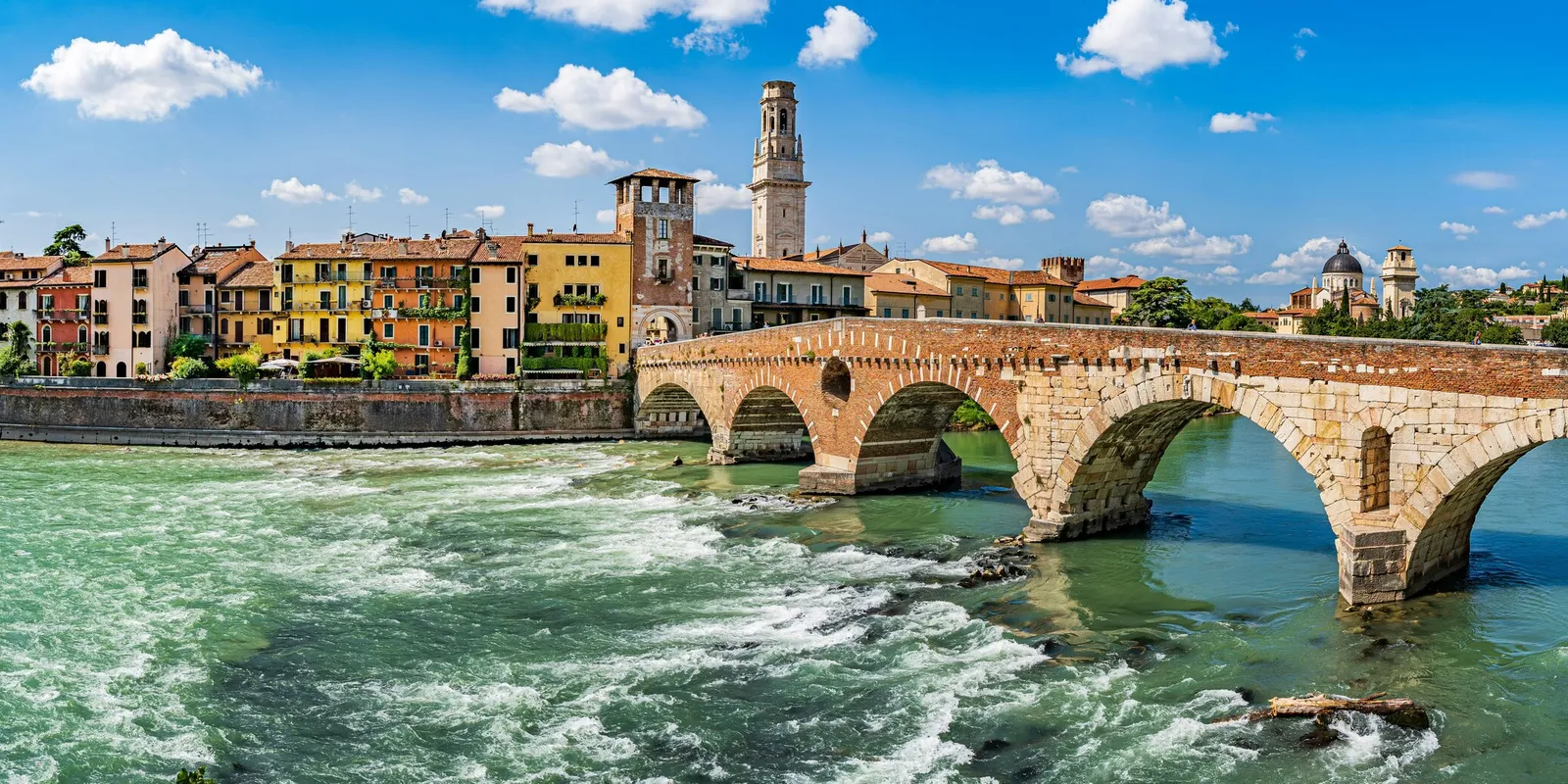

Verona: the Arena and the legend of Juliet
Two thousand years of history overlap in Verona's center, where a still-active Roman amphitheater coexists with the literary legend that has made the city synonymous with love worldwide.
The historic center, closed to most traffic, can be comfortably explored on foot.
Built around 30 A.D., the Arena of Verona is among the best-preserved Roman amphitheaters in the world and since 1913 has hosted one of Europe's most important opera seasons every summer.
Just steps away, the House of Juliet displays the famous balcony added only in the twentieth century: no historical evidence links the building to Shakespeare's Capulets, but the courtyard remains one of Italy's most photographed.
Continuing toward the river you cross the Stone Bridge, of Roman origin and rebuilt after destruction in 1945 by recovering much of the original blocks from the river.
On the other bank, the Castel Vecchio, a Scaliger fortress of the fourteenth century now a civic museum, closes the route with its fortified bridge overlooking the Adige.
Tradition says that touching Juliet's breast in the courtyard brings luck in love: the bronze, polished by millions of hands, is now noticeably lighter than the rest of the statue.
The Arena, designed for gladiators rather than tenors, has natural acoustics that still allow an opera to be heard without amplification even in the highest stone tiers.
Guided tours and experiences in Verona




Related articles


You might also like...
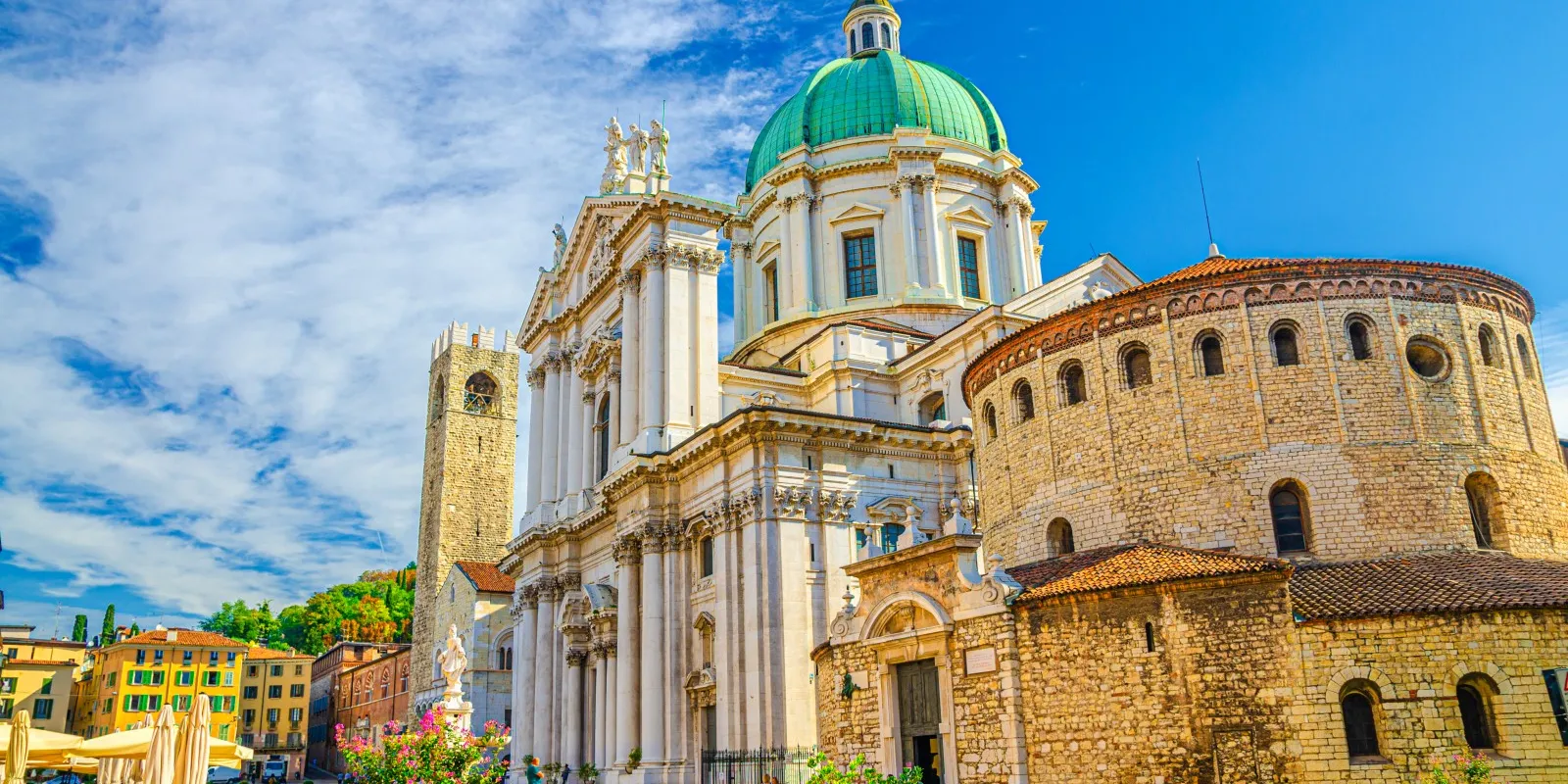
Brescia: the Rome of northern Italy
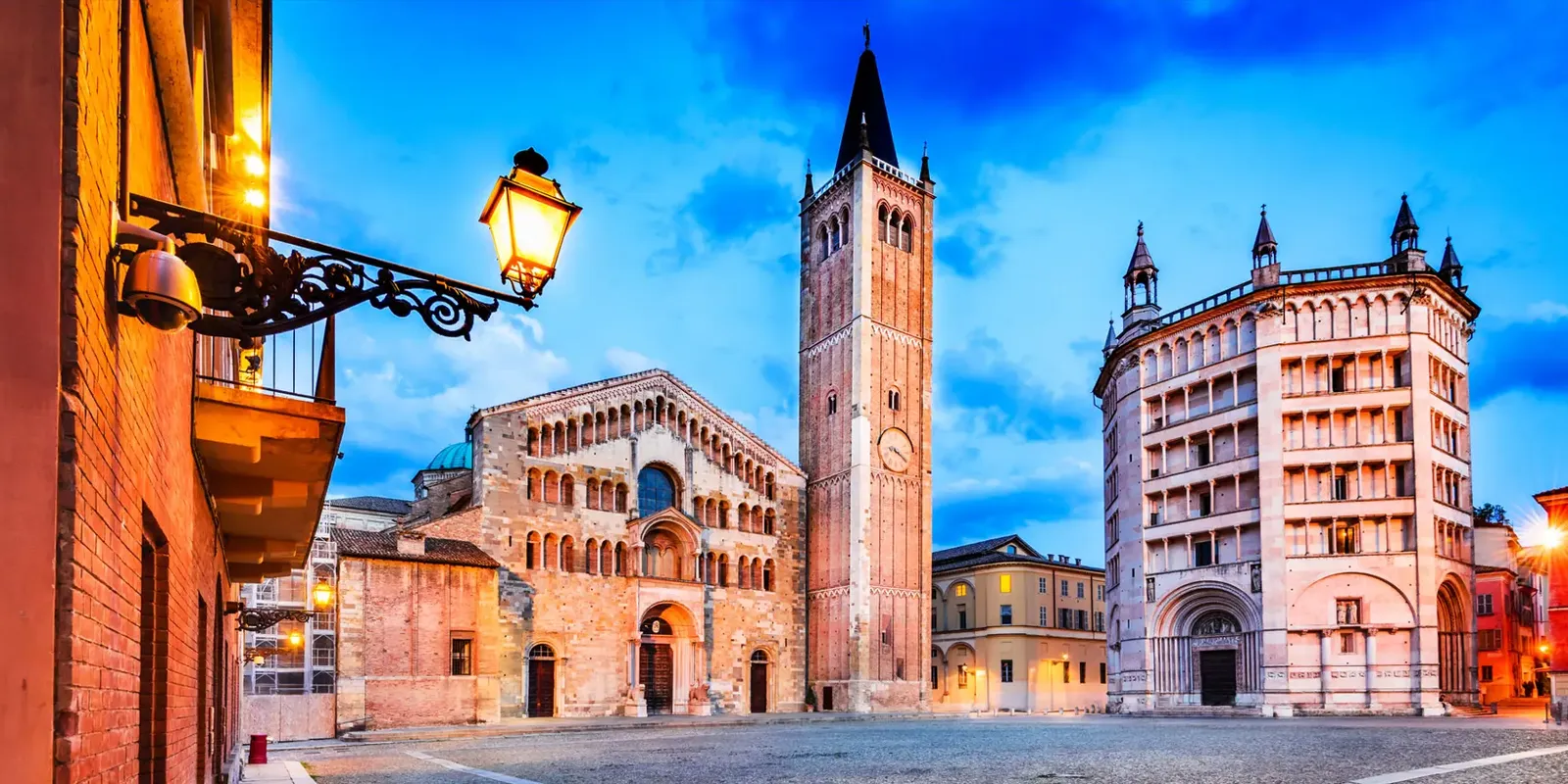
Parma: frescoes, opera and parmesan

Plane ticket refund: all the cases where you might be entitled

Firefly: The Regional Airline Linking Malaysia's Smaller Cities

Reno Tahoe International Airport: where to stay, areas and recommended hotels