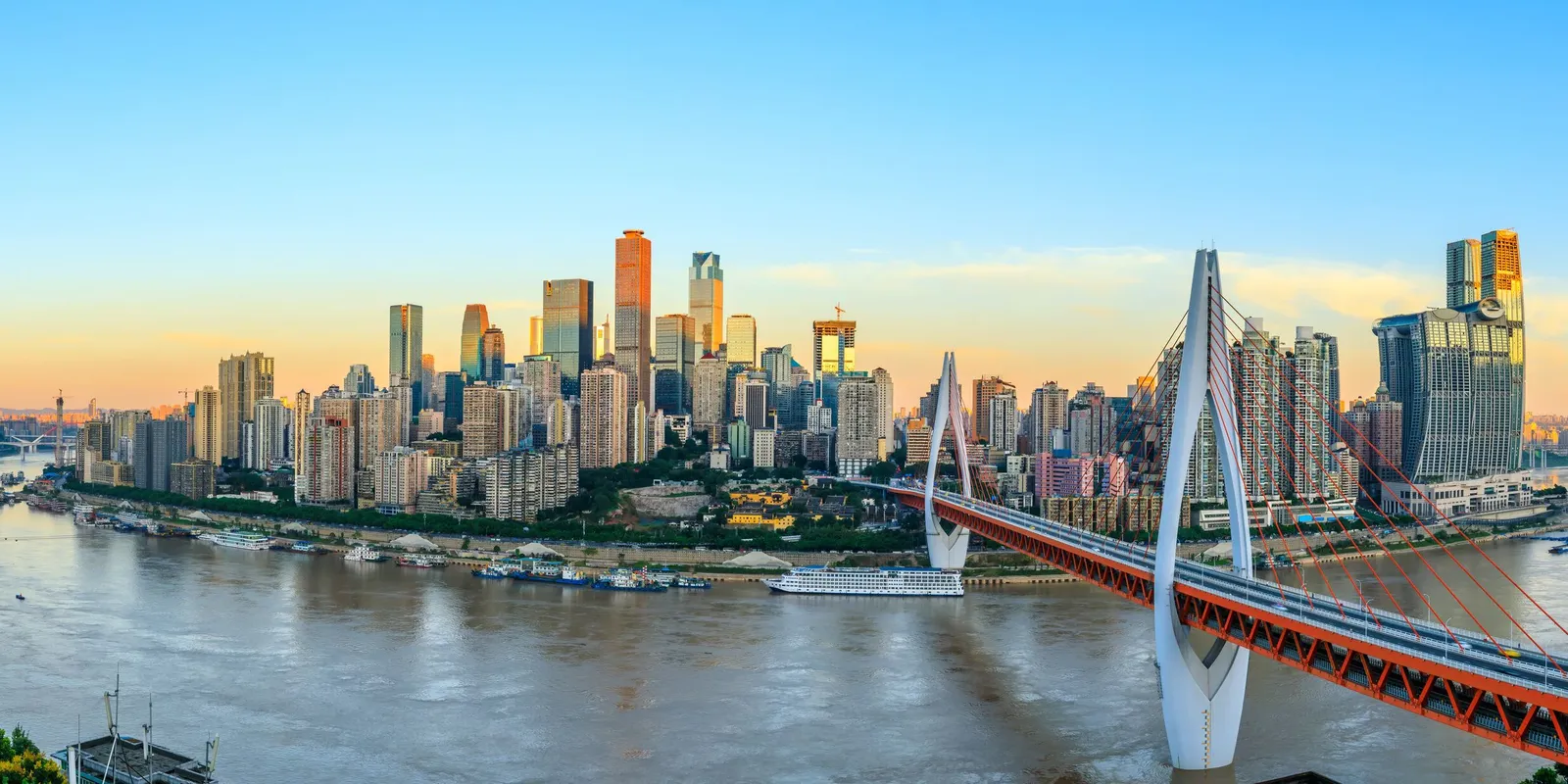

Chongqing: skyscrapers suspended between two rivers
Built on a steep peninsula at the confluence of the Yangtze and Jialing rivers, Chongqing literally climbs on top of itself: stairs, cable cars, and elevated metro lines connect districts separated by dozens of meters in elevation.
The frequent haze, especially in autumn and winter, must be factored in when planning panoramic views.
At Hongyadong, an eleven-story complex built along a cliff overhang on the Jialing in the traditional style of stilt houses, restaurants and shops face each other, creating one of China's most photographed night skylines.
The Metro Line 2 passes through the Liziba residential complex literally inside a building on the eighth floor, an engineering solution that has become a tourist attraction in itself.
The cable car over the Yangtze, in operation since 1987 as a practical connection before becoming an attraction, carries visitors in minutes from one bank of the river to the other with views of the shipyards and skyscrapers of the city center.
The Ciqikou district, an ancient Ming dynasty river port, preserves cobblestone alleys and wooden houses where local tea is still sold, in stark contrast with the vertical city that surrounds it.
A metro line running through an occupied residential building tells Chongqing's story better than any skyline: here engineering doesn't avoid the territory's obstacles, it coexists with them.
Ciqikou, with its wooden houses, remains the reminder that beneath the skyscrapers the old river city that existed before all this still flows.
Related articles

You might also like...
Chengdu: giant pandas and teahouse life
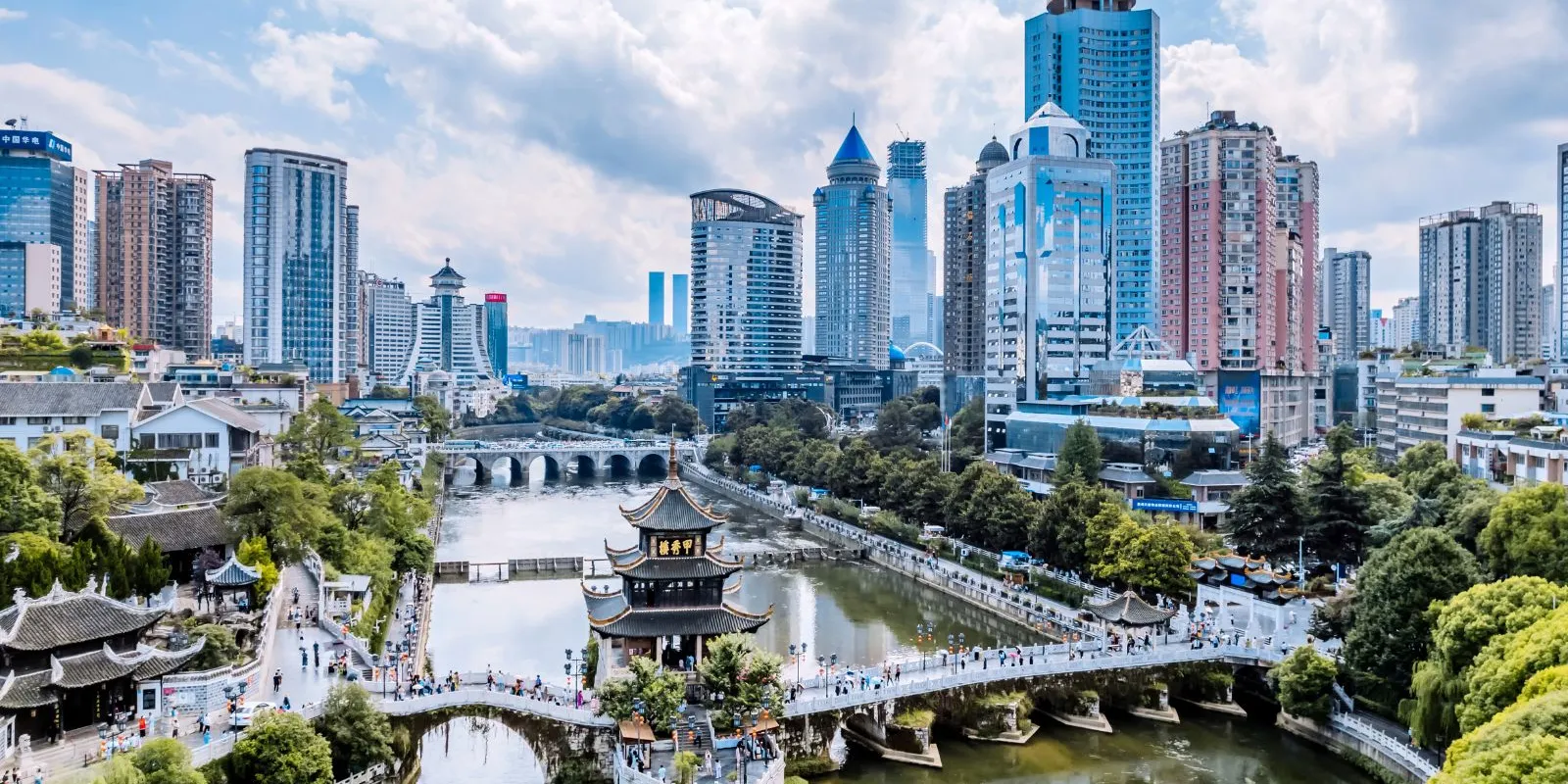
Guiyang: Asia's largest waterfalls
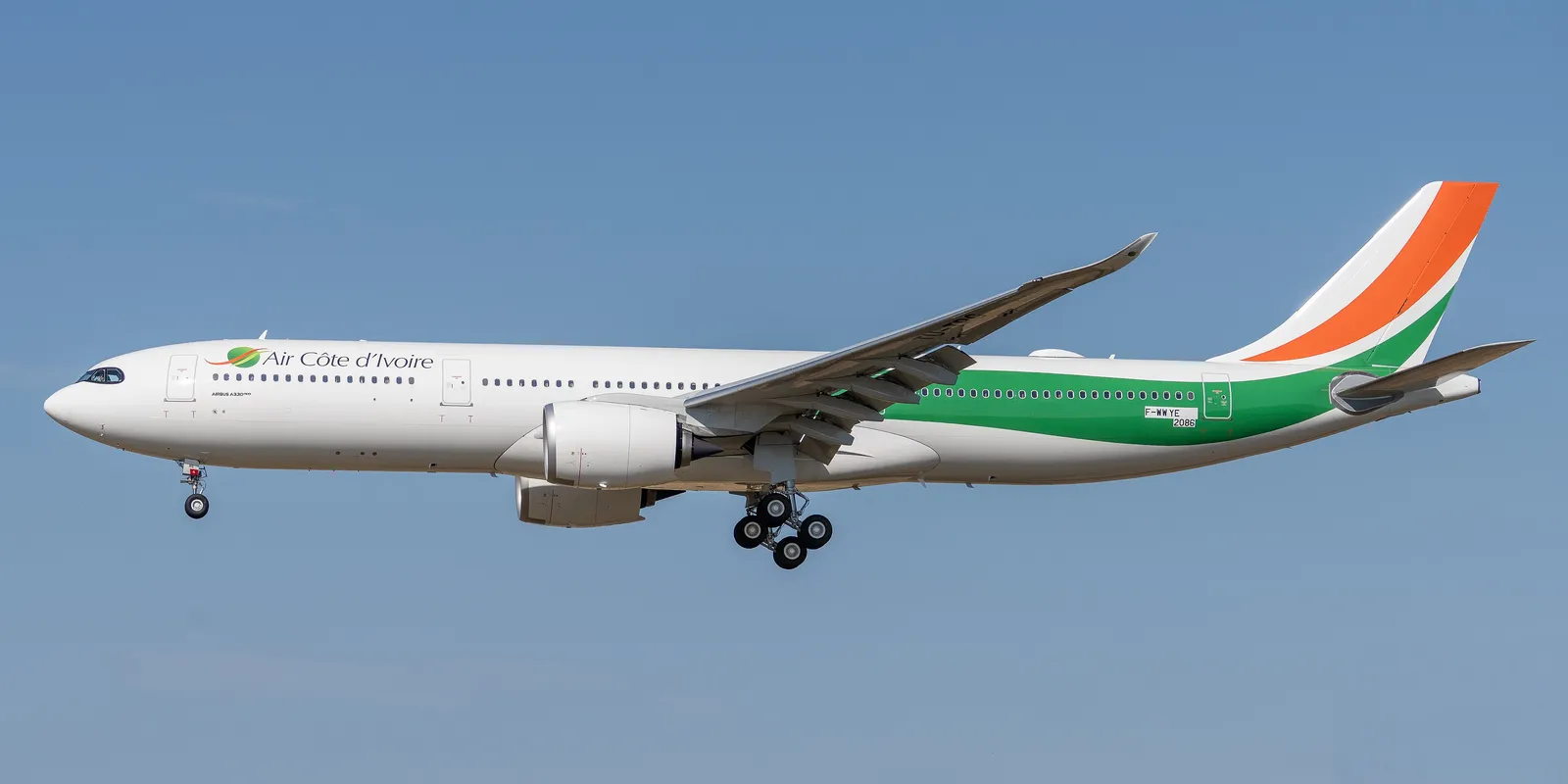
Air Côte d'Ivoire: The Flag Carrier Aiming to Make Abidjan a West African Hub

Vilnius International Airport: where to stay, areas and recommended hotels

Indira Gandhi International Airport: where to stay, areas and recommended hotels