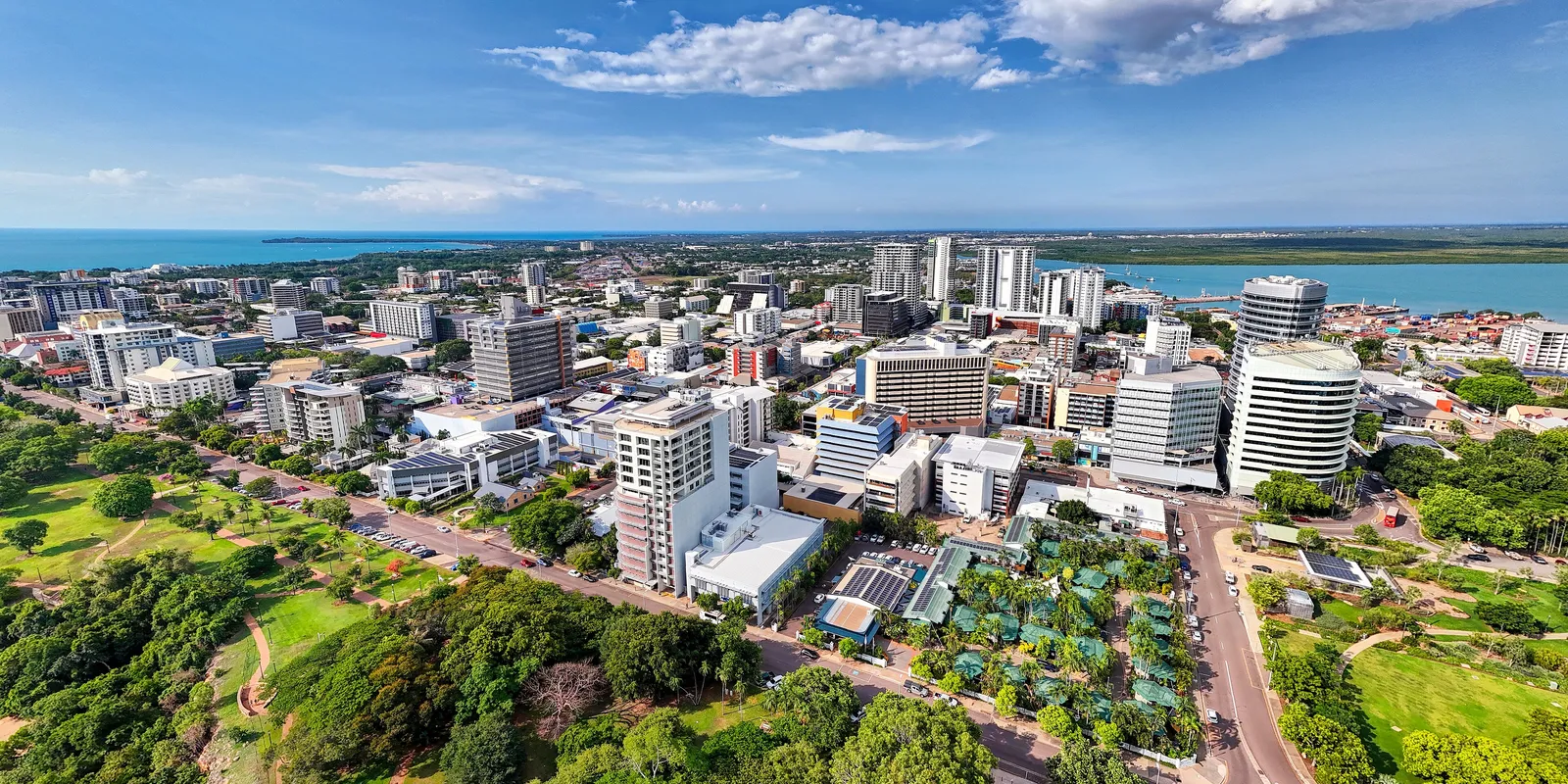

Darwin: the Top End between war and sunsets
Geographically closer to Jakarta than to Sydney, Darwin still bears the scars of the most severe attack ever suffered by Australia on its own territory, now remembered alongside evening markets and tropical sunsets.
The center is small and can be visited comfortably on foot.
On February 19, 1942, Japanese aviation dropped more bombs on Darwin than those used against Pearl Harbor: the Museum and Art Gallery of the Northern Territory tells this story alongside that of cyclone Tracy that razed the city to the ground in 1974.
The same museum preserves 'Sweetheart', a saltwater crocodile over five meters long preserved after years of attacks on boats in the 1970s.
Heading down toward the port, one reaches the Waterfront Precinct, with its artificial lagoon protected from jellyfish and docks rebuilt after the bombings.
Toward evening, from May to October, the Mindil Beach Sunset Market fills the beach with food stalls while the sun sets over the Timor Sea.
More bombs fell on Darwin in that single day in 1942 than were dropped on Pearl Harbor just months before, yet for decades the event remained almost unknown to the rest of the world.
The Mindil Beach Market exists only in the dry season: during the humid months the same beach sits empty, and the tropical sunset is enjoyed only by the few locals who happen to pass by.
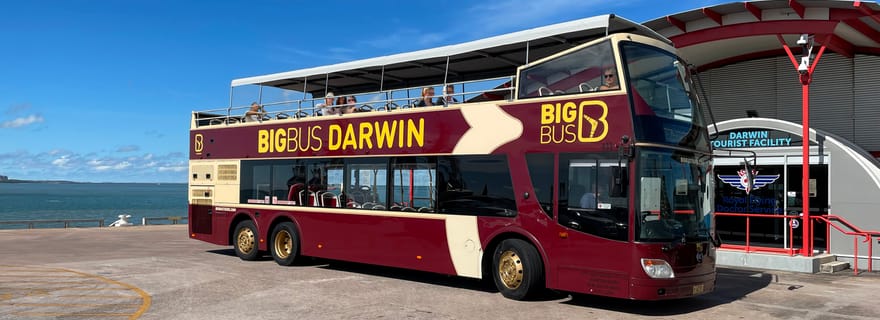
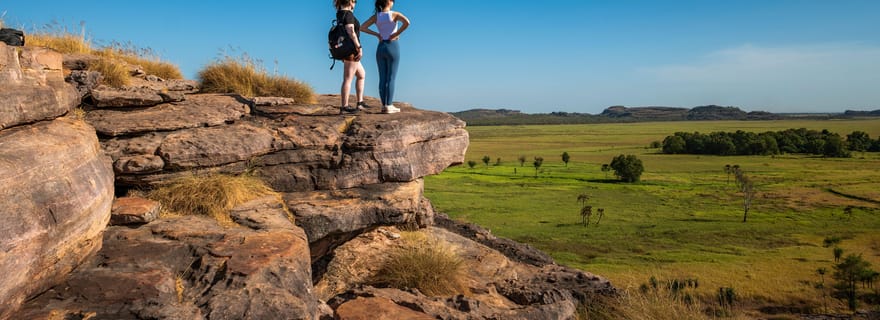
Guided tours and experiences in Darwin
Related articles

You might also like...
Baucau: the old Portuguese colonial pearl
A Day in Suai, Timor-Leste

Akureyri Airport: where to stay, areas and recommended hotels

Checked luggage: what to know before you leave
Seats on the plane for families: how to read the seat map
