
Elba Island: Napoleon's exile
For less than a year, between 1814 and 1815, Elba Island became Napoleon's small personal kingdom in exile, before his escape returned him to power.
For Monte Capanne there's a cable car; the rest is visited on foot or by car.
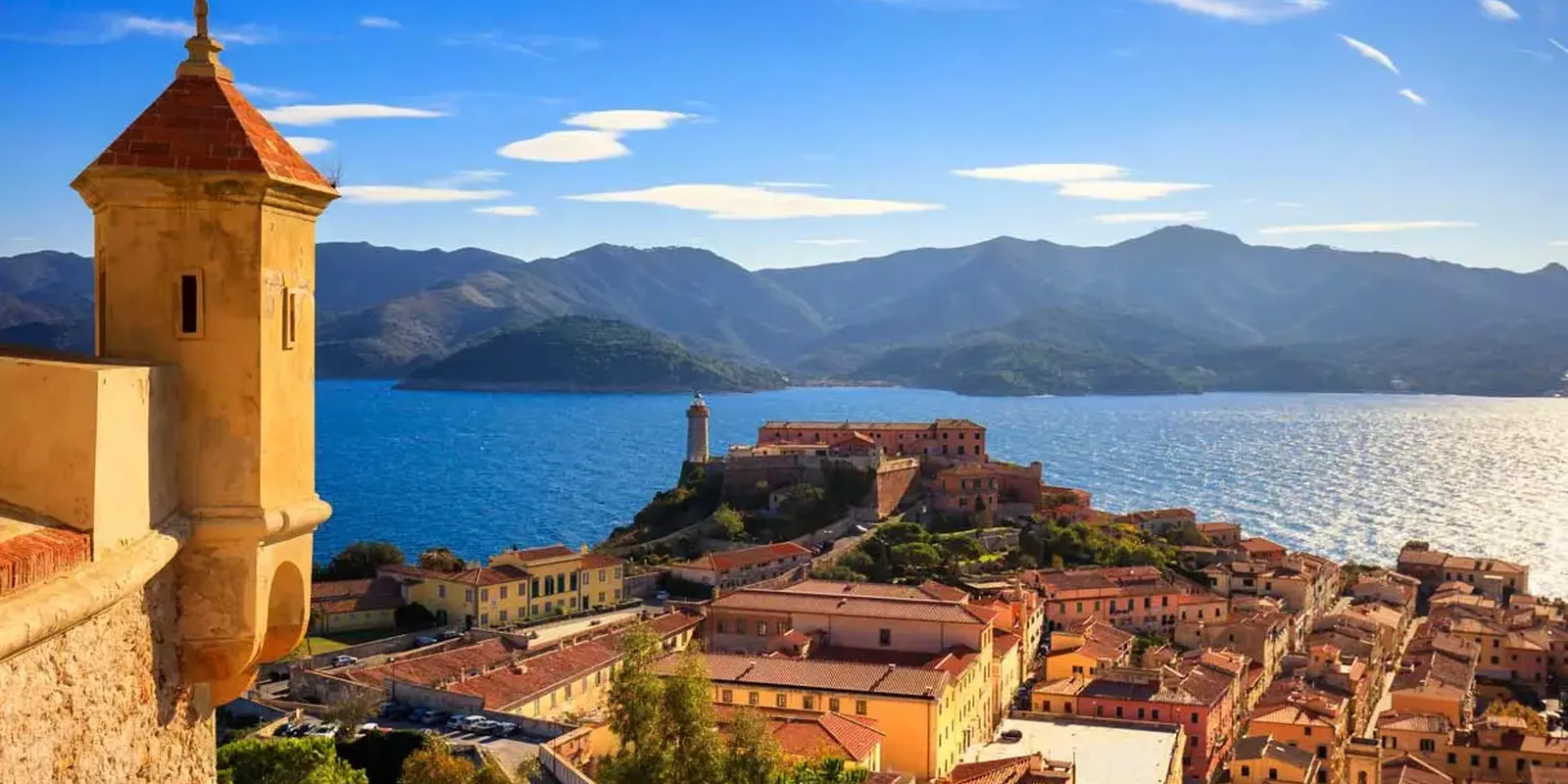
In the centre of Portoferraio, protected by 16th-century Medici fortifications, the Villa dei Mulini was Napoleon's urban residence during his exile.
Just outside the city, the Villa di San Martino served as his country retreat, surrounded by a park only recently planted at the time and now grown into dense Mediterranean scrubland.
Ascending by the unusual two-person open cable car, one reaches the summit of Monte Capanne, the island's highest point with a view over the entire Tuscan archipelago.
Towards evening, the beaches of Sant'Andrea or Fetovaia, among the most photographed on the island, close the day with a swim before dinner.
Napoleon left Elba secretly one February evening in 1815, eluding British surveillance: from there the Hundred Days began, ending only with the defeat at Waterloo.
The Mount Capanne cable car, lacking enclosed cabins, leaves passengers completely exposed to the panorama during the ascent: a detail that surprises those expecting a more conventional system.
Guided tours and experiences in Elba Island
Related articles

You might also like...
Bastia: Corsica's Genoese port
Calvi: the citadel said to be Columbus's birthplace

New Chitose Airport: where to stay, areas and recommended hotels
Missed your connecting flight? What to do in the first minutes

Aurillac Airport: where to stay, areas and recommended hotels