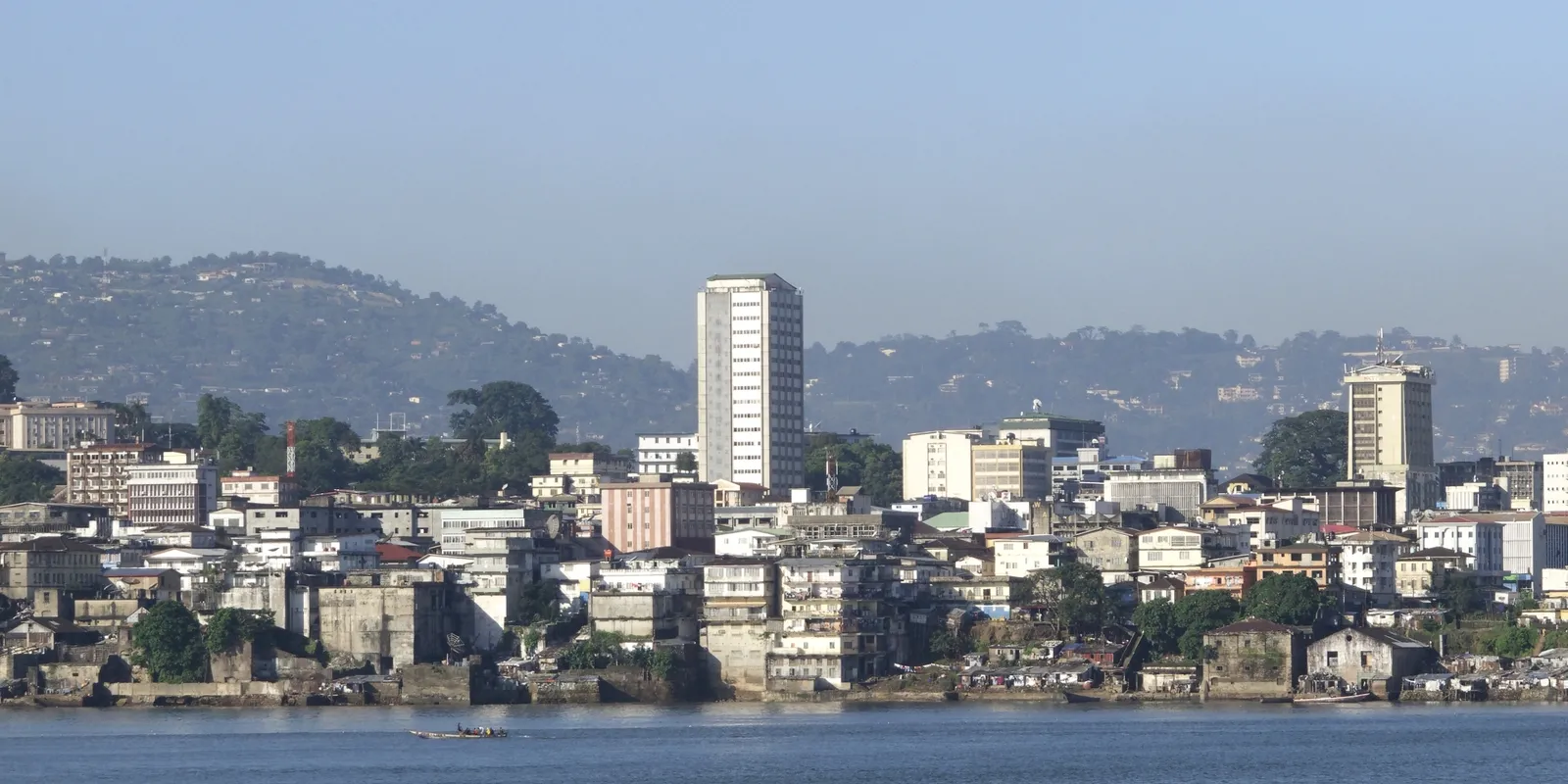
Freetown: beaches founded by liberated slaves
Founded as a refuge for freed slaves at the end of the eighteenth century, Freetown overlooks the Atlantic with some of West Africa's most beautiful beaches.
The center, founded by freed slaves, can be comfortably visited on foot near the port.
The Cotton Tree, a towering centuries-old tree in the city center, marks the spot where, according to tradition, the first freed slaves prayed upon arriving in 1792.
A few minutes away, the National Museum of Sierra Leone recounts the city's founding history as a British colony for freed slaves.
Following the coast, you reach Lumley Beach, the capital's main beach, animated by fish restaurants and water sports.
As evening arrives, the beaches of the Freetown Peninsula, including River Number Two Beach, remain among West Africa's most pristine coastlines.
Freetown was founded in 1792 by liberated slaves from Nova Scotia, Jamaica, and Britain, becoming one of the world's first settlements specifically designed to welcome freed slaves.
The Cotton Tree, a symbol of the city for over two centuries, finally fell from natural causes in 2023, an event the people of Freetown experienced as a profound loss comparable to the disappearance of a national monument.
Related articles
You might also like...
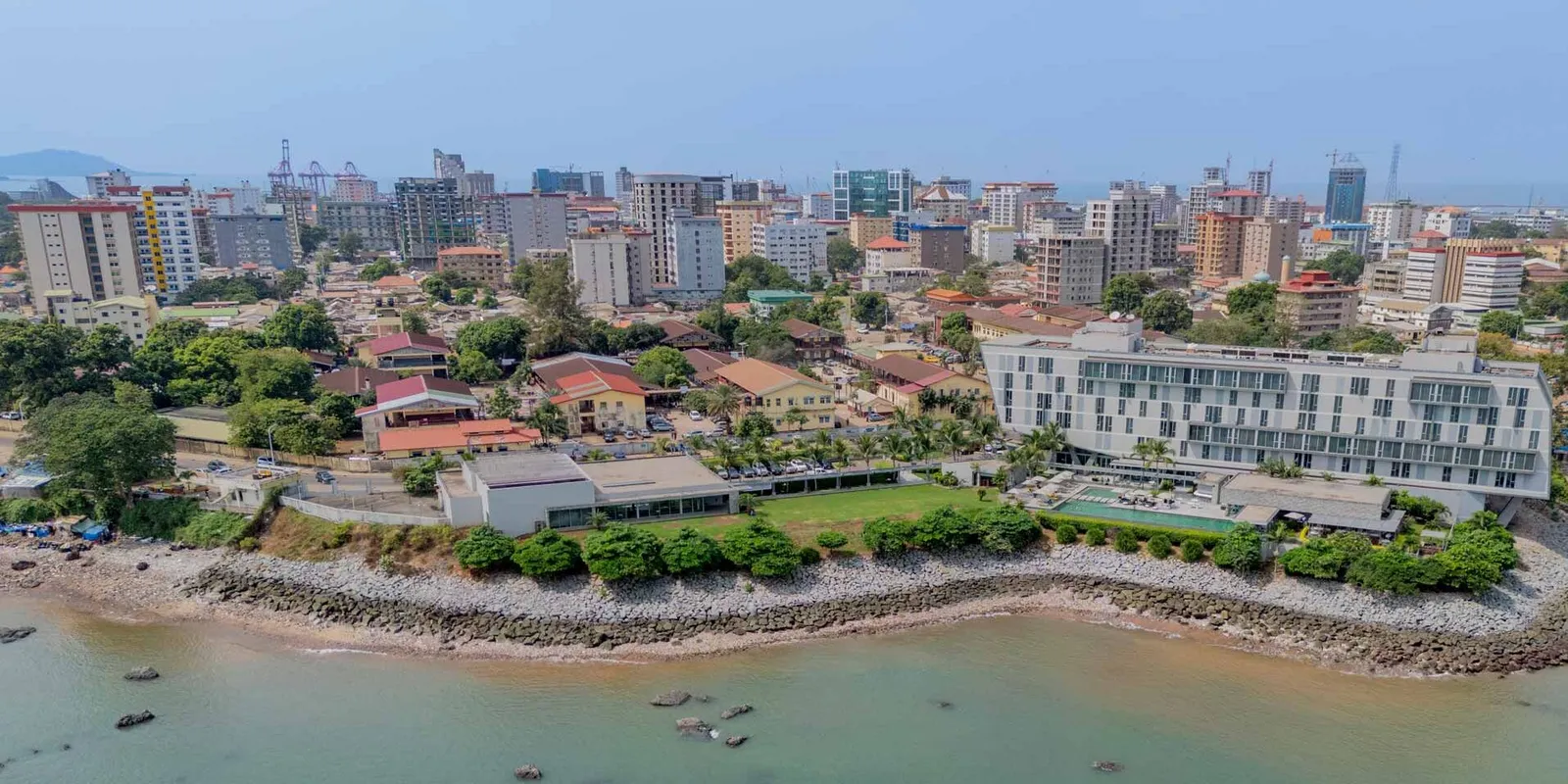
Conakry: the gateway to the Loos Islands
Monrovia: the capital founded by freed American slaves

Toulouse-Blagnac Airport: where to stay, areas and recommended hotels
Airport check-in: when is it still mandatory

Juanda International Airport: where to stay, areas and recommended hotels