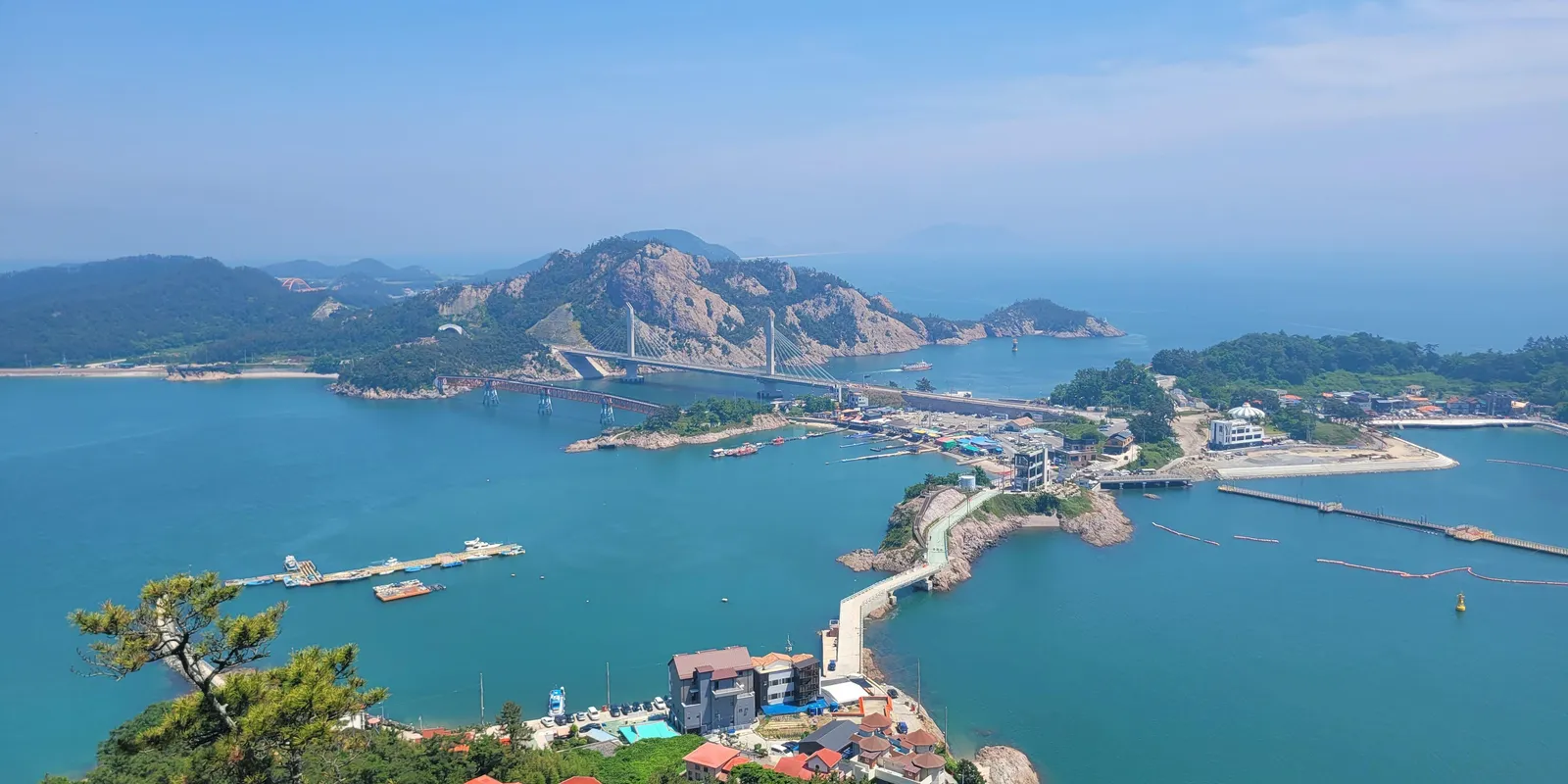

Gunsan: Japanese colonial architecture on the Yellow Sea
Former strategic port during Japanese occupation of Korea, Gunsan holds a colonial historic center better preserved than elsewhere in the country.
The center, with its Japanese colonial architecture on the Yellow Sea, is visited comfortably by taxi or local bus.
The Former Bank of Japan in Gunsan, a twentieth-century colonial building, today houses a museum that tells the story of the period of Japanese occupation of Korea.
Just steps away, the Shinheung-dong district, with traditional Japanese wooden houses perfectly preserved, remains a rare example of Korean colonial architecture.
Continuing toward the harbor, one visits the historic pier from which Korean rice was shipped to Japan during the occupation, a painful chapter in local history.
As evening approaches, Gunsan's local markets sell sweet bread with filling, a pastry specialty that made the city famous throughout Korea.
Gunsan served as the main port for the forced export of Korean rice to Japan during the twentieth-century colonial occupation, a painful chapter still today documented in the city's museums.
Gunsan's Japanese colonial architecture, better preserved than in other Korean cities that demolished it after independence, today remains protected and promoted heritage.
Related articles


You might also like...
Cheongju: the world's oldest printed book
Daegu: Buddhist temples among the Korean mountains

TUS Airways: The Cypriot Airline That Became the Island's Largest

Innsbruck Airport: where to stay, areas and recommended hotels

Window or aisle: which seat is better to choose
