
Gyumri: the black and red tuff houses
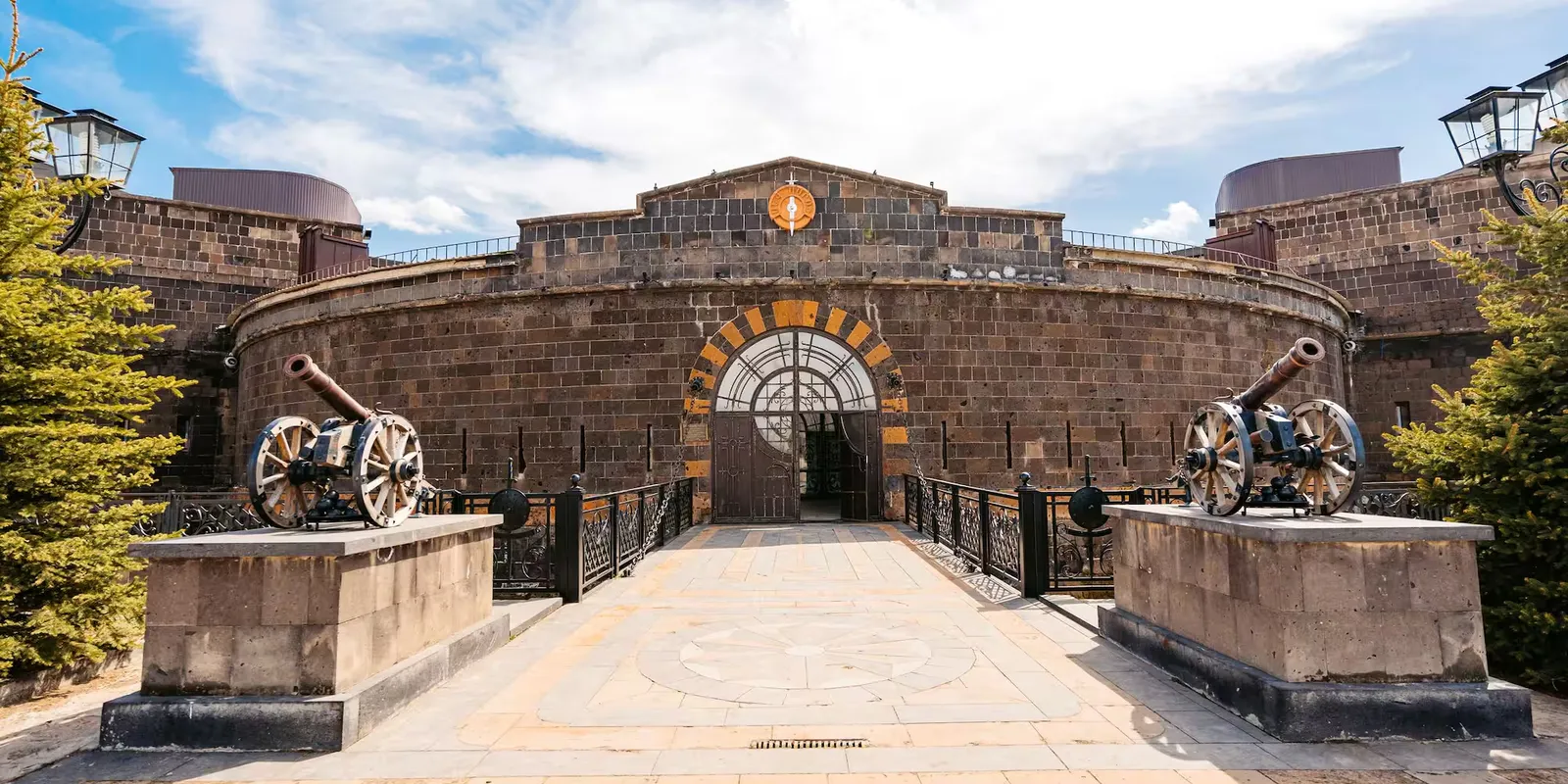
Armenia's second-largest city, Gyumri preserves in the Kumayri district nineteenth-century architecture in bicolor volcanic tuff that survived the devastating 1988 earthquake.
The center, with its houses in black and red tuff, is comfortably explored on foot.
In the Kumayri district, nineteenth-century houses built from local black and red tuff create a unique bicolor architecture found nowhere else in Armenia, with wrought-iron balconies.
Just steps away, Vartanants Square, the heart of the city, is surrounded by churches and public buildings rebuilt after twentieth-century damage.
Continuing on, you visit the Dzitoghtsyan Museum of national architecture and urban life, which tells the city's social history through everyday objects and period photographs.
Toward evening, a memorial dedicated to the victims of the 1988 earthquake reminds how the city had to rebuild over just a few generations, never forgetting its losses.
The 1988 earthquake, among the most devastating in Soviet history, killed tens of thousands of people in the region and left many areas of Gyumri scarred by rubble for years.
The houses of Kumayri, built with the volcanic tufa abundant in the area, proved more resilient than many of the more recent Soviet buildings, which largely collapsed during the quake.
Related articles

You might also like...
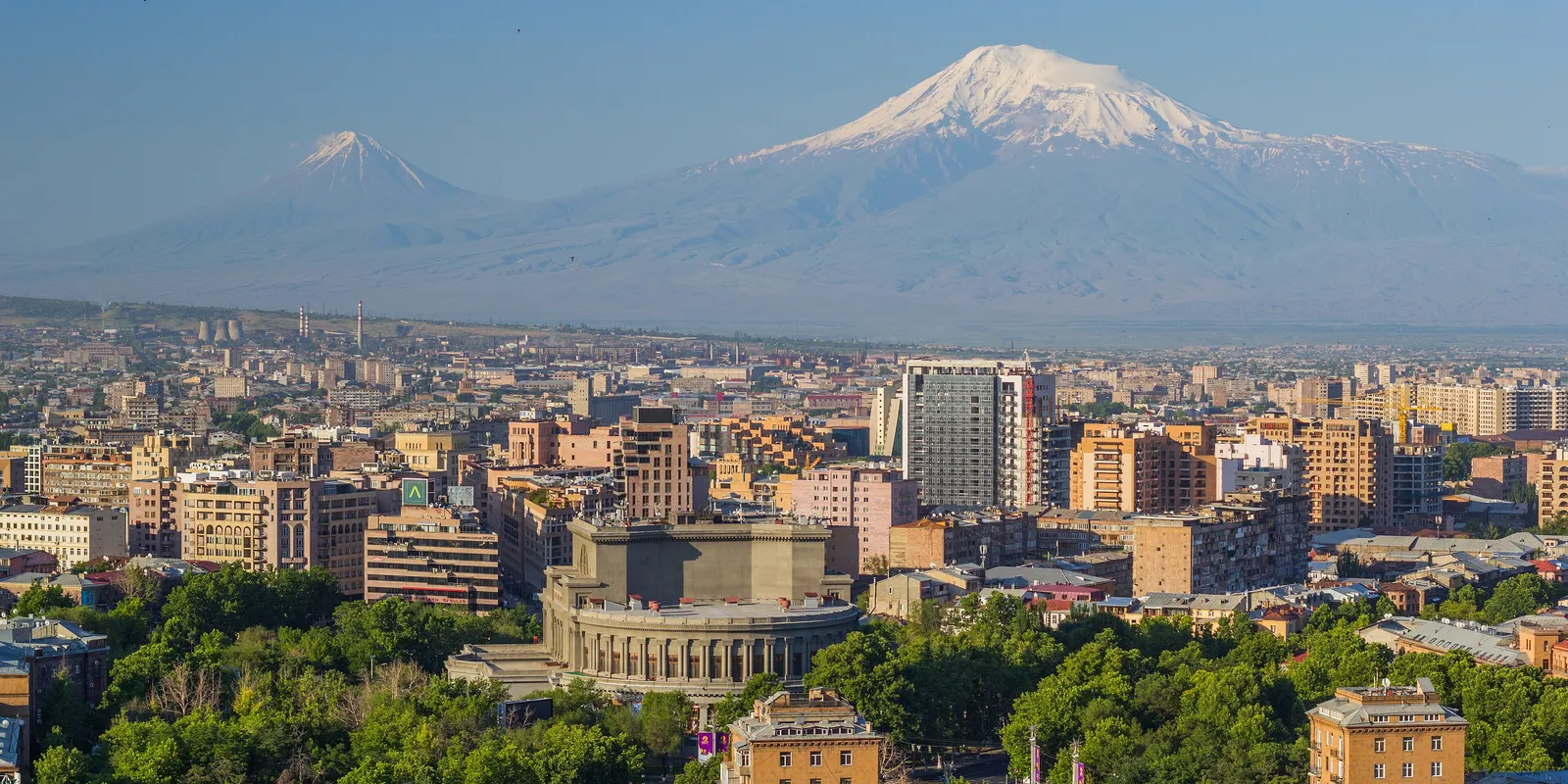
24 hours in Yerevan: what to see
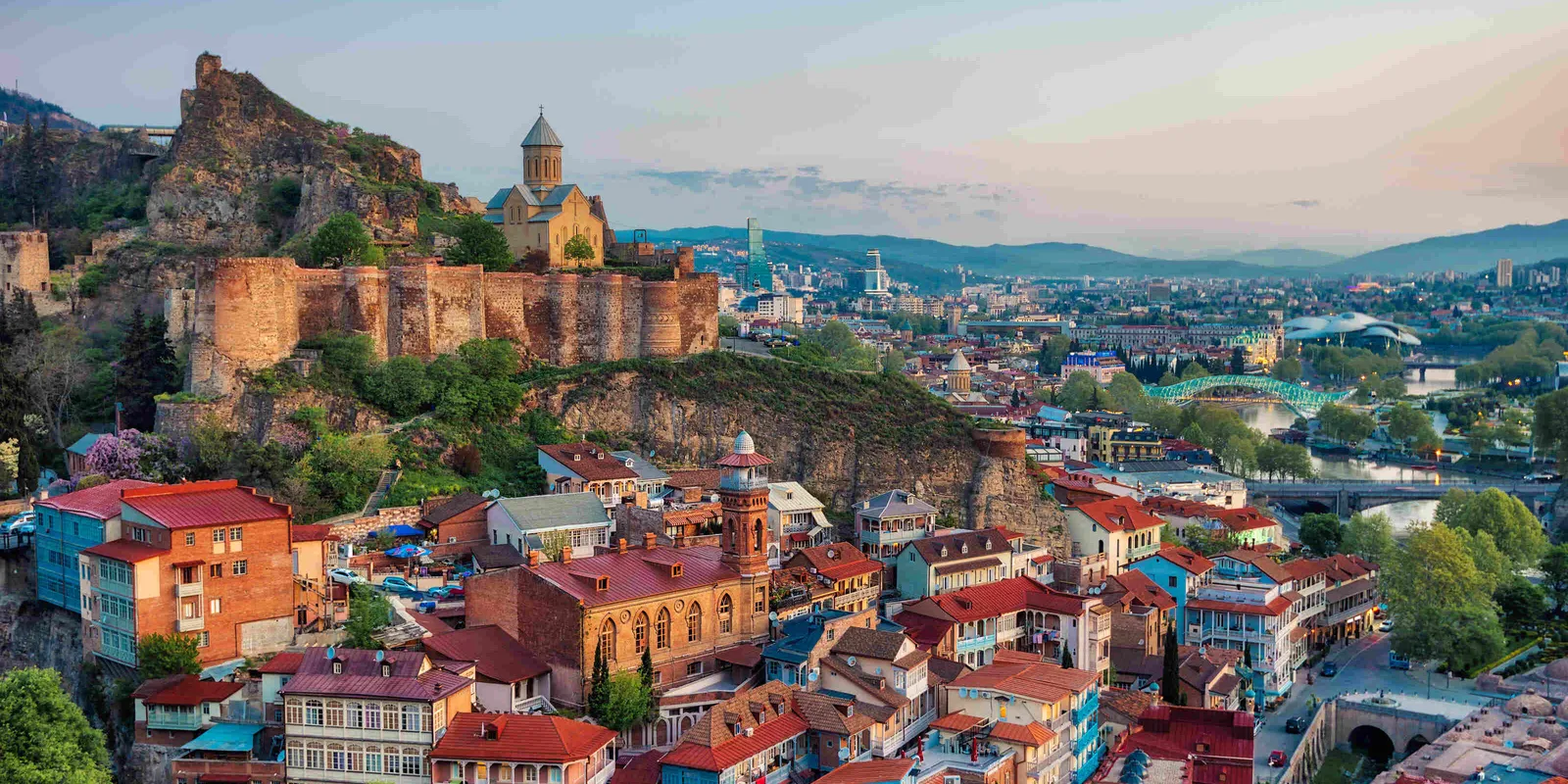
Tbilisi: from sulfur baths to the glass bridge
Wizz Air UK: The British Subsidiary of the Hungarian Low-Cost Carrier, the Luton and Gatwick Bases and What to Expect On Board

Broome International Airport: where to stay, areas and recommended hotels

Tradewind Aviation: The Shared-Seat Charter That Takes You to St Barth Nonstop
