
Hyderabad: pearls, forts and minarets
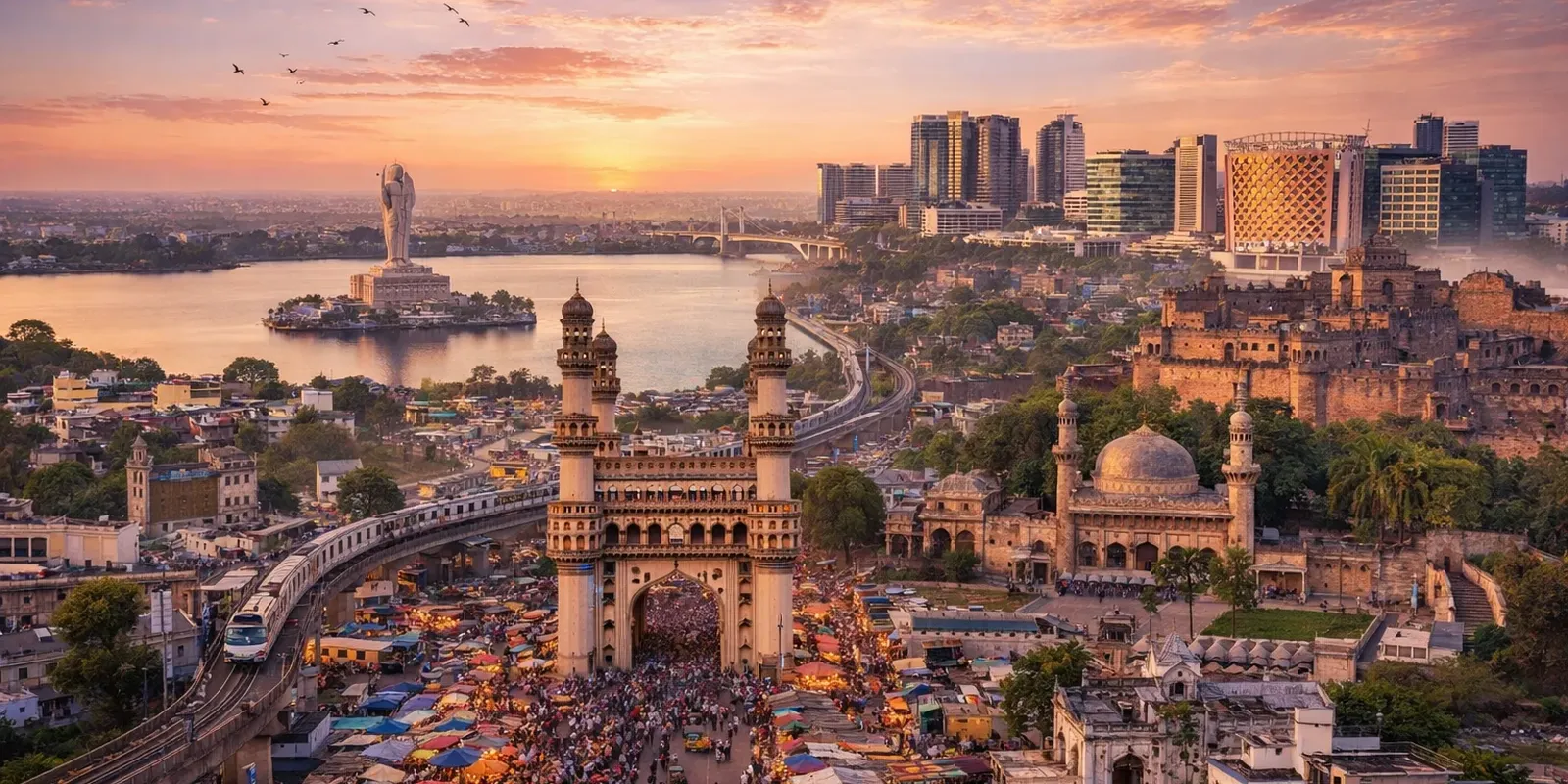
Once the capital of the Deccan sultanates and then the Nizam, Hyderabad now combines world-class IT towers with a historic center built around pearl markets and among South India's oldest Islamic monuments.
The distances between the old center and modern neighborhoods make a car or tuk-tuk necessary.
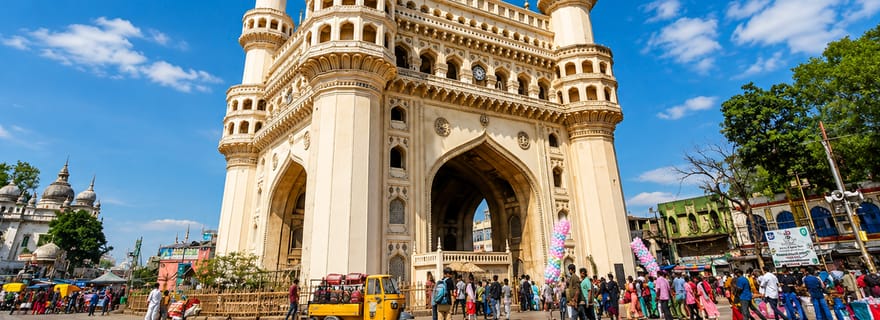
The Charminar, the city's defining monument erected in 1591, takes its name from its four minarets and dominates an intersection still surrounded today by the pearl and bracelet markets of the old city.
The Golconda Fort, capital of a kingdom famous for its diamond mines—including probably the Koh-i-Noor—preserves an acoustic system that allows a handclap at the entrance to be distinctly heard at the summit of the hill.
The Chowmahalla Palace, a ceremonial residence of the Nizams built from the 1700s onward, houses in its main hall a Bohemian crystal chandelier and a collection of vintage automobiles belonging to the dynasty.
On the Hussain Sagar Lake, a 16th-century artificial lake, an eighteen-meter monolithic Buddha statue rises from the waters on a small island reachable by ferry.
The acoustic system of Golconda and the pearl markets at the foot of the Charminar speak to the same ambition of a kingdom's capital: to protect wealth while displaying it.
The Buddha in the middle of Hussain Sagar Lake, added centuries after those Islamic kingdoms, shows that the city continued to layer religious and cultural elements far beyond the Nizam era.
Guided tours and experiences in Hyderabad
Related articles

You might also like...
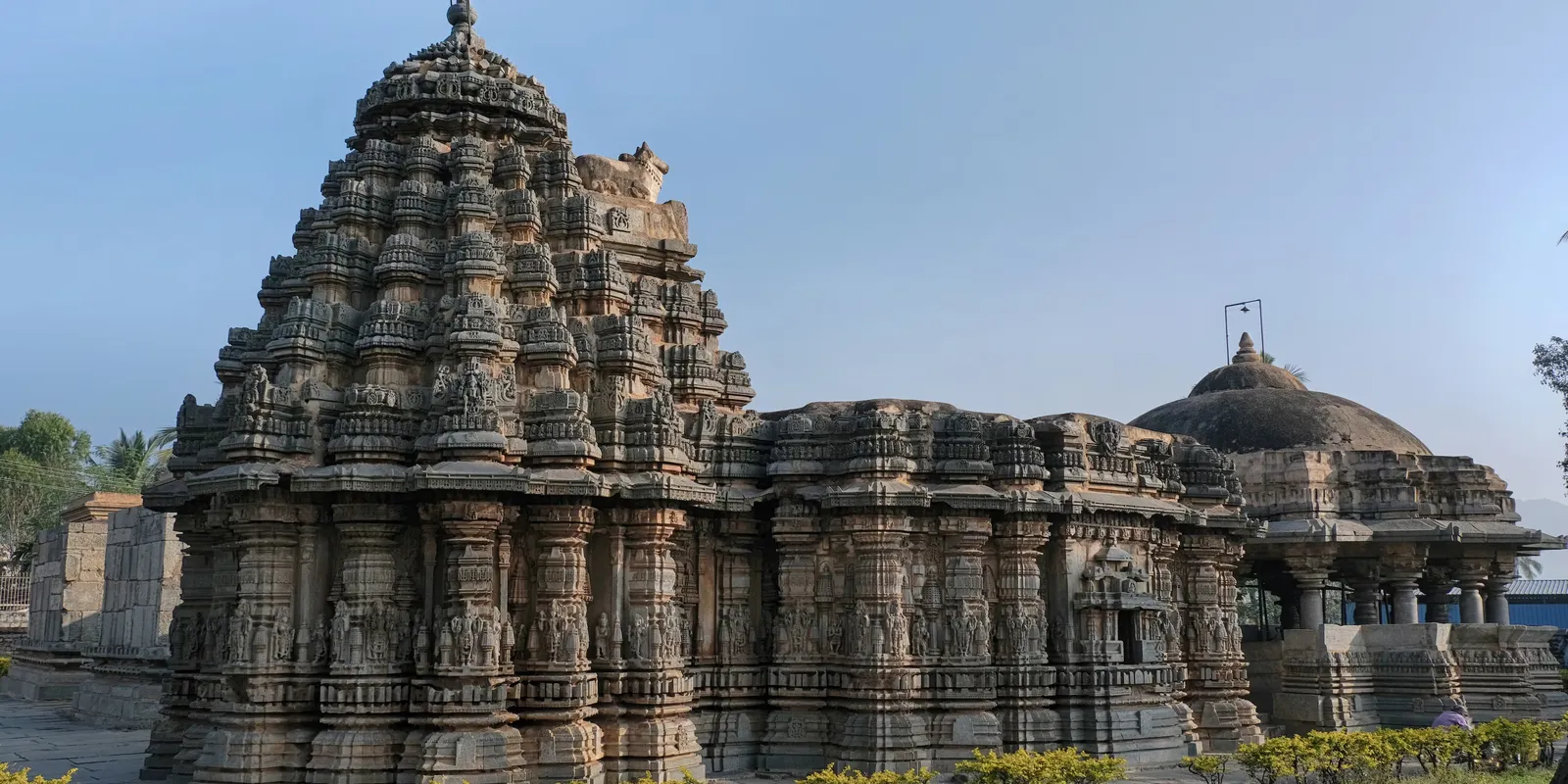
Hubli-Dharwad: the twin cities of Indian classical music
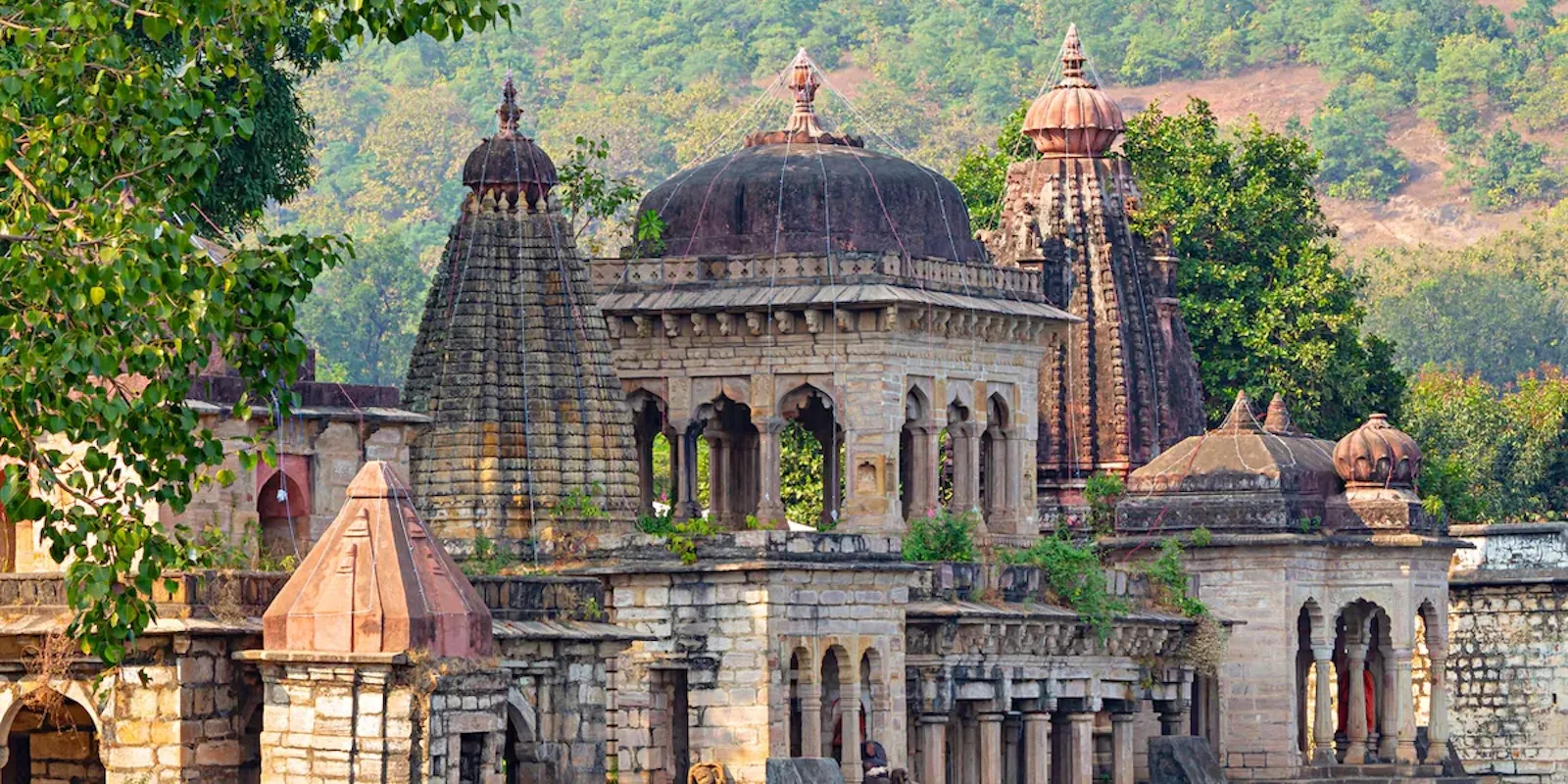
Nagpur: the city at India's geographic center

Allegiant Air: How the American Low-Cost Model Really Works and How Much You Spend Beyond the Base Fare

Mariehamn Airport: where to stay, areas and recommended hotels

El Arish International Airport: where to stay, areas and recommended hotels