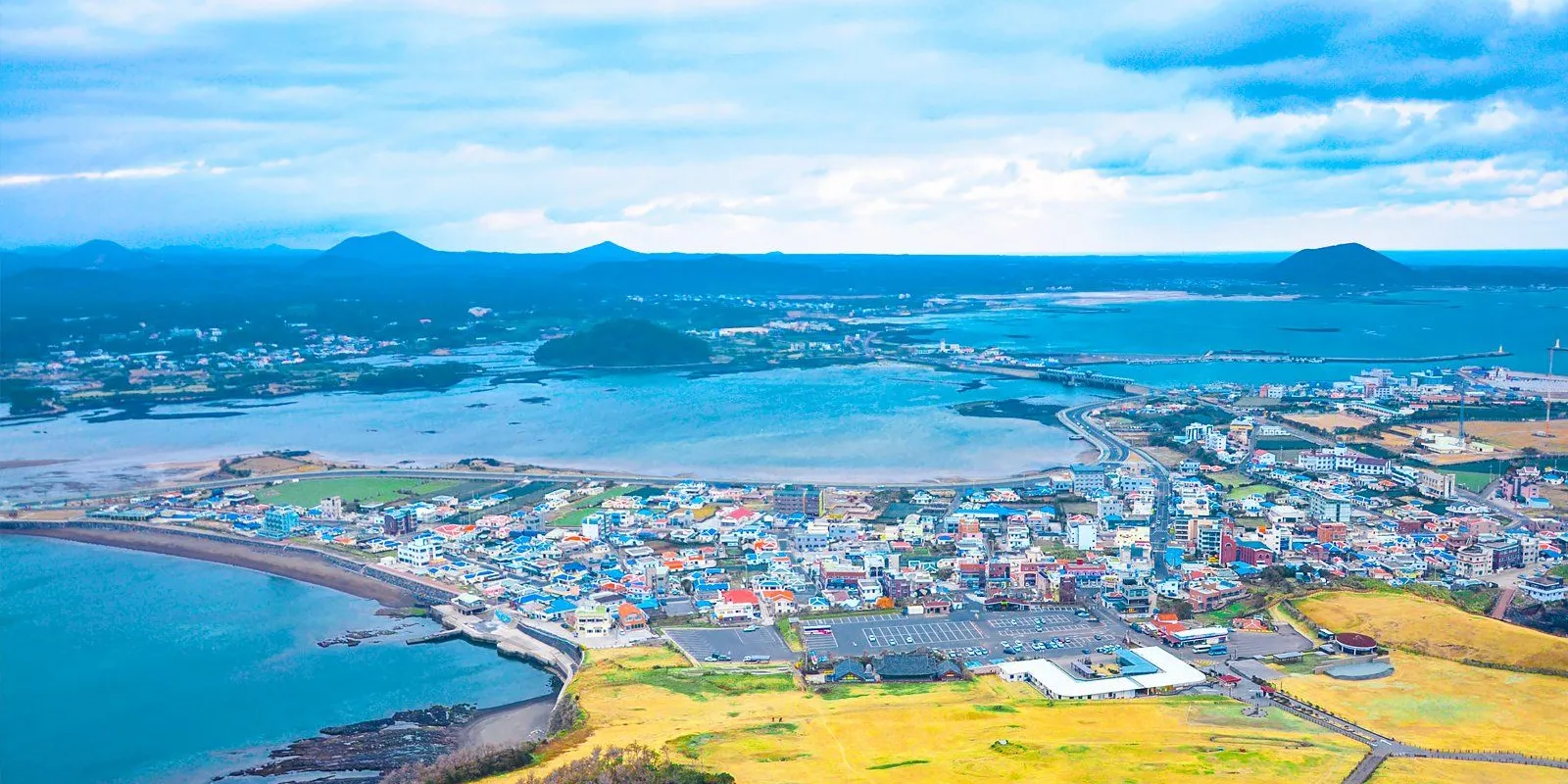

Jeju: volcanoes, lava tubes and sea divers
A volcanic island off the Korean peninsula, Jeju revolves around Hallasan, South Korea's highest mountain, and a tradition of female underwater divers that UNESCO recognizes as intangible cultural heritage of humanity.
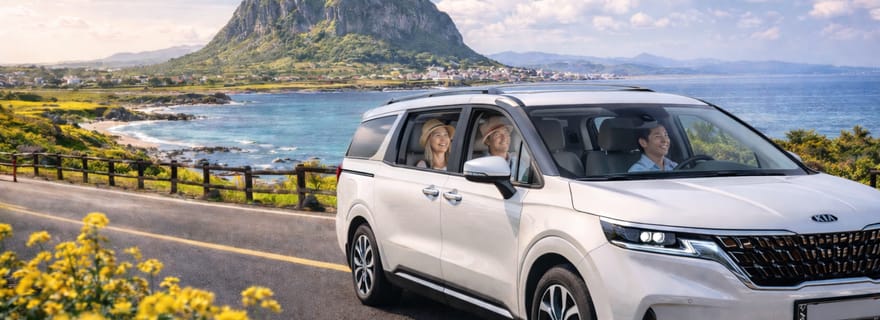
A rental car remains the most practical way to connect the sites scattered across the entire island.
Seongsan Ilchulbong, the 'dawn peak', is a volcanic crater overlooking the ocean formed by an underwater eruption about five thousand years ago, today accessible by a short climb that reveals one of Korea's most photographed panoramas.
The lava cave of Manjanggul, one of the world's best-preserved lava tubes, is traversed for about one kilometer among lava stalactites and a natural column seven meters tall—among the largest ever documented in a volcanic tunnel.
On rocky coastlines, the haenyeo still appear: women divers who for centuries have fished mollusks and seaweed in apnea without tanks, a craft passed down from mother to daughter and now practiced almost exclusively by elderly women.
The Jeju Folk Village reconstructs traditional lava-stone and thatched-roof houses, demonstrating building techniques designed specifically to withstand the island's constant coastal winds.
The haenyeo who dive today without modern equipment tell of a relationship with the sea that the island's mass tourism has not entirely erased.
Between a volcanic crater and a lava tube, Jeju remains above all an island born from fire and then patiently shaped by water.
Guided tours and experiences in Jeju City
Related articles

You might also like...
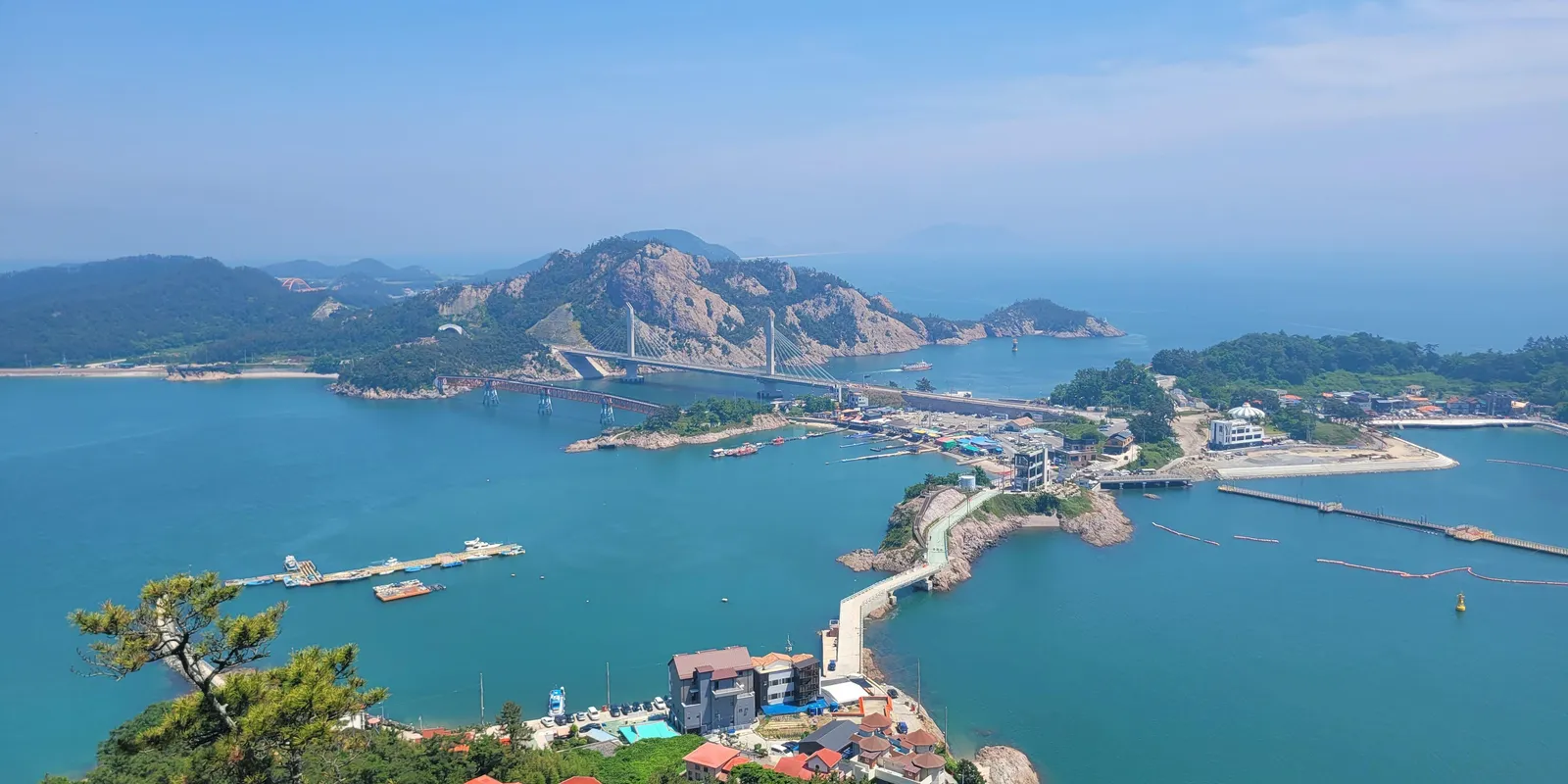
Gunsan: Japanese colonial architecture on the Yellow Sea
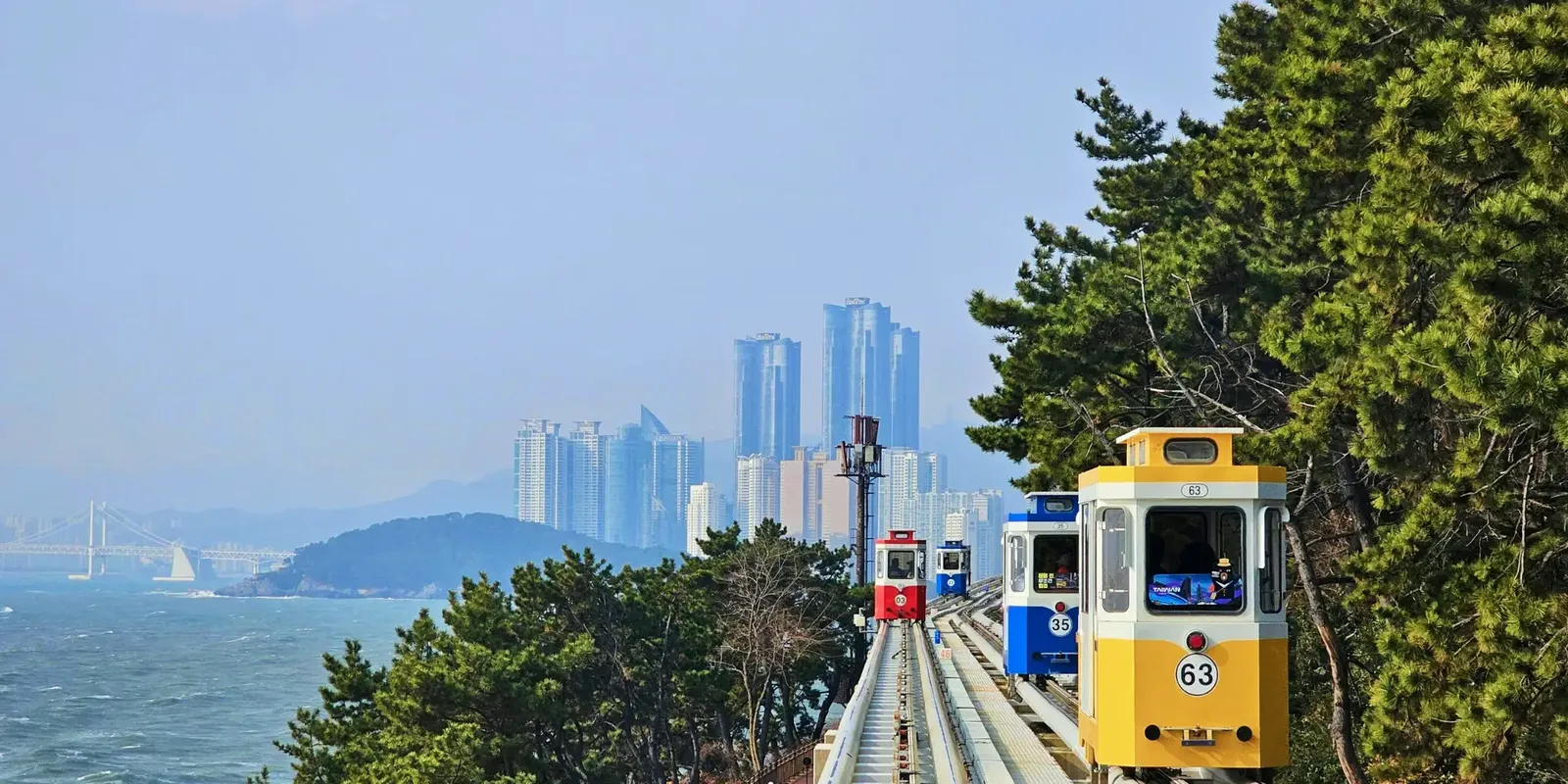
Busan: urban beaches and Asia's largest fish market
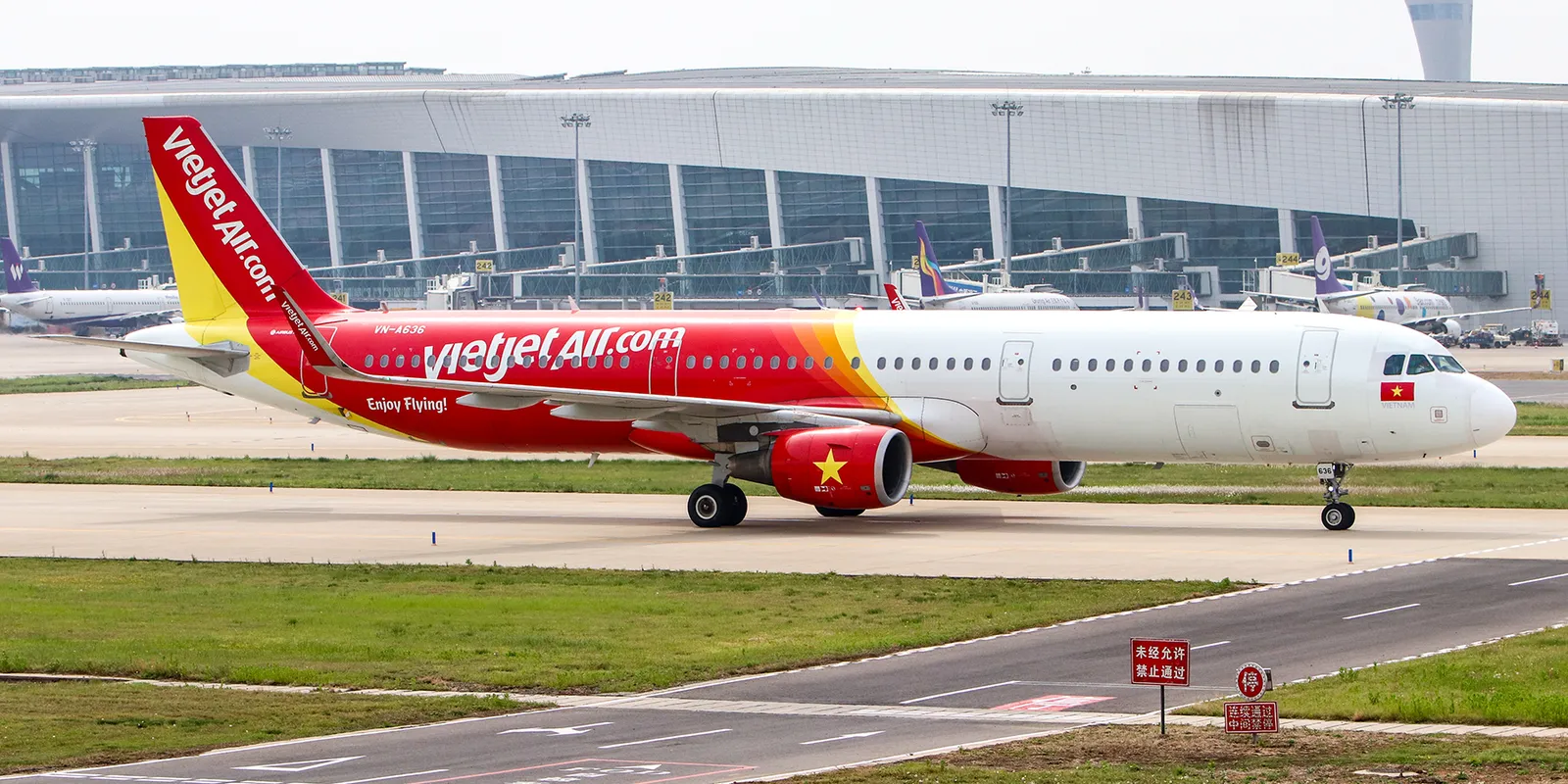
VietJet Air: How the Vietnamese Low-Cost Carrier Became a Huge Regional Airline

Hangzhou Xiaoshan International Airport: where to stay, areas and recommended hotels
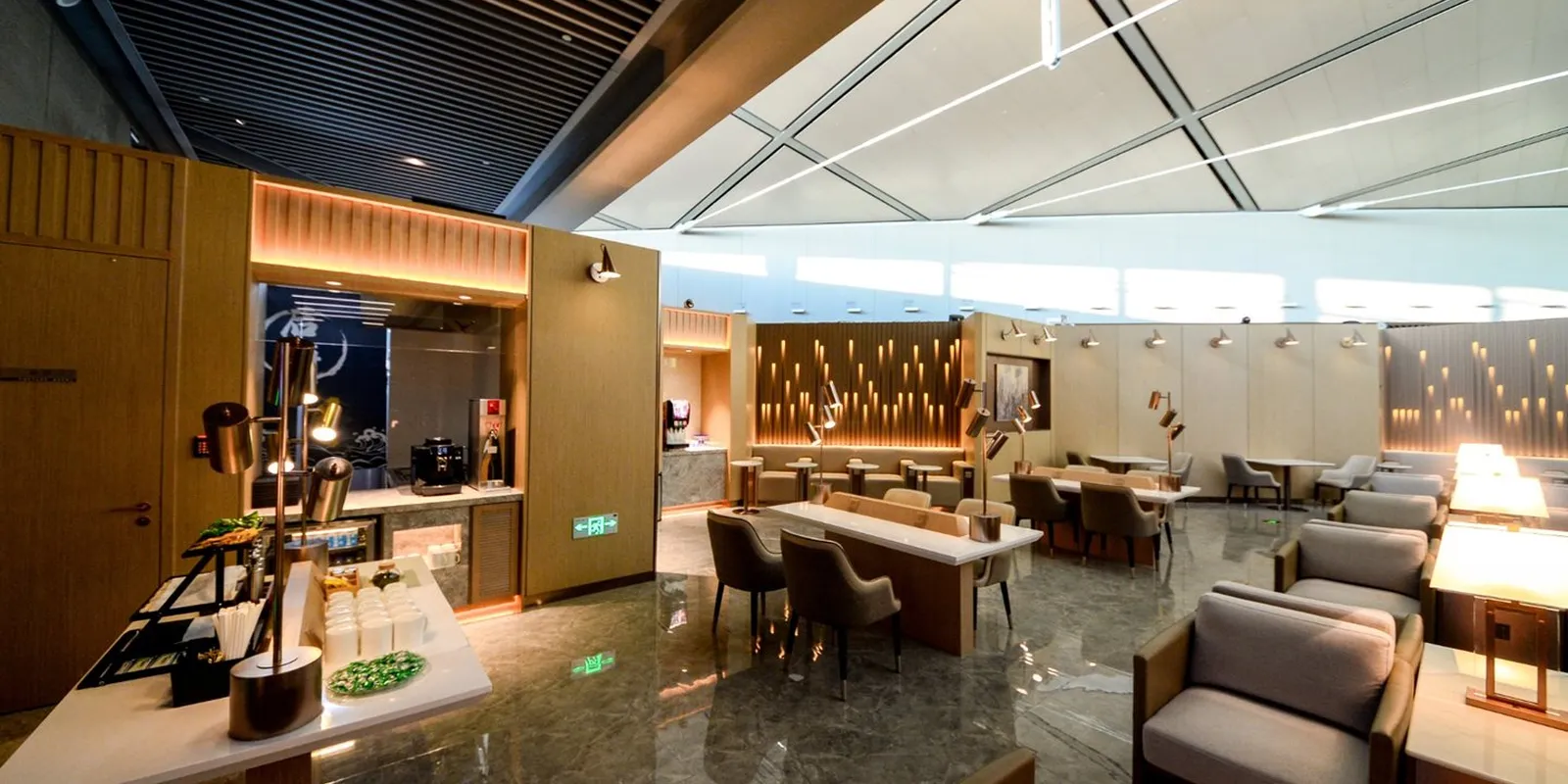
Shanghai Hongqiao lounges: how to choose between T1 and T2