Kabul Today: Taliban Rule and What There Is to See
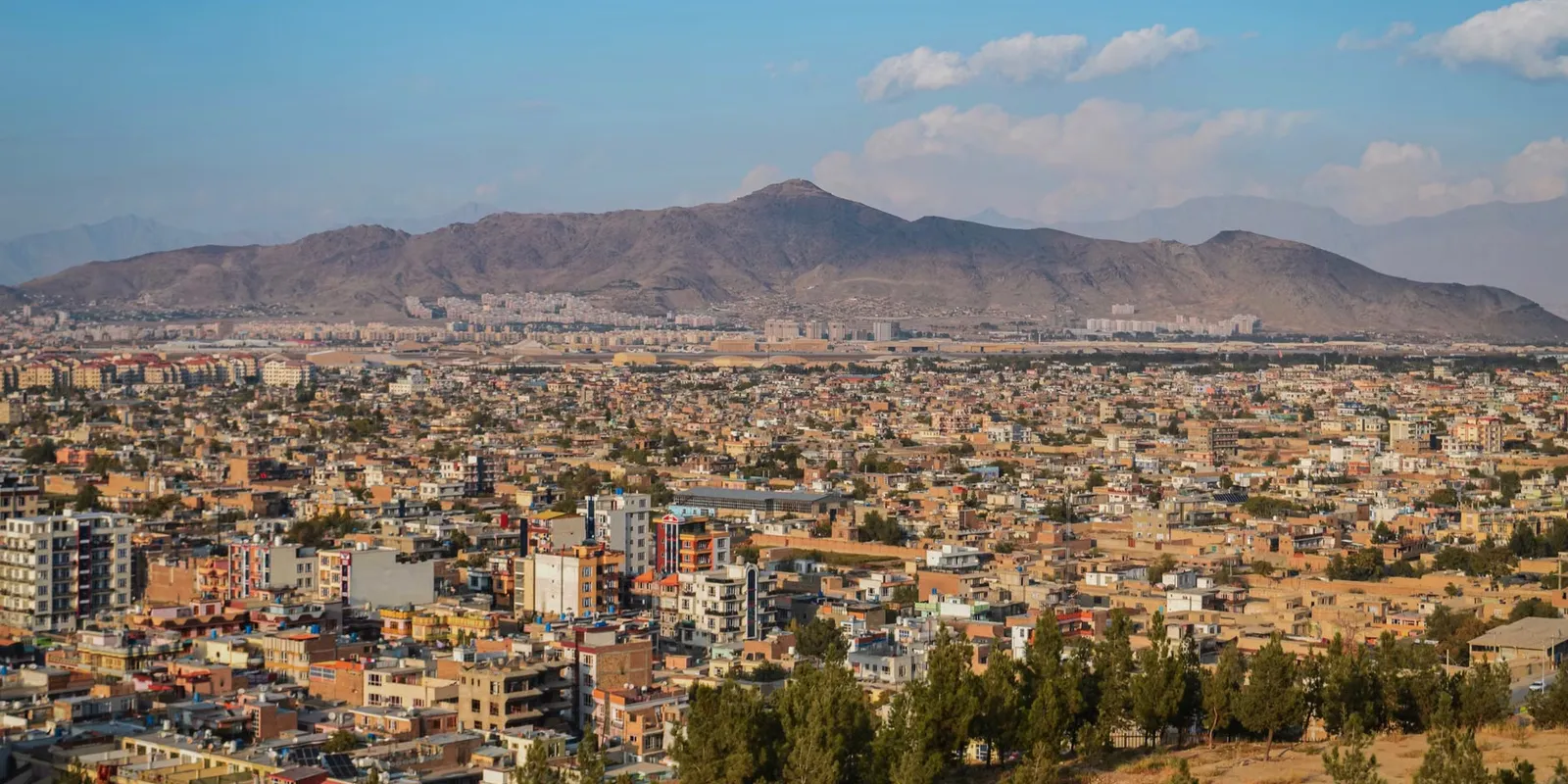
Crossroads of peoples along the ancient caravan routes of Central Asia, Kabul preserves the Bagh-e Babur, mausoleum and park built by the first Mughal emperor, and the Afghan National Museum.
The Hindu Kush mountains surrounding the valley offer one of Central Asia's most spectacular natural settings.
Since August 2021, with the withdrawal of US troops and the collapse of the Western-backed government, the country has returned under Taliban control, which governs according to a strict interpretation of Islamic law.
Restrictions imposed on women, excluded from secondary and university education and from much of public work, have isolated the country internationally and caused a serious humanitarian and economic crisis.
For foreign travelers serious risks remain linked to terrorist attacks, particularly those claimed by the local branch of the Islamic State (ISIS-K), as well as the risk of arbitrary arrest.
Major Western governments strongly advise against any travel to Afghanistan, maintaining one of the highest alert levels in the world.
Under different conditions of security and freedom, Kabul would offer Babur's Gardens, the National Museum reconstructed after the looting of the 1990s, and spectacular views of the Hindu Kush mountain ranges.
Yet a profound change in the political situation and civil rights would remain the minimum requirement for this heritage to be shared with the world once more.
Related articles

You might also like...
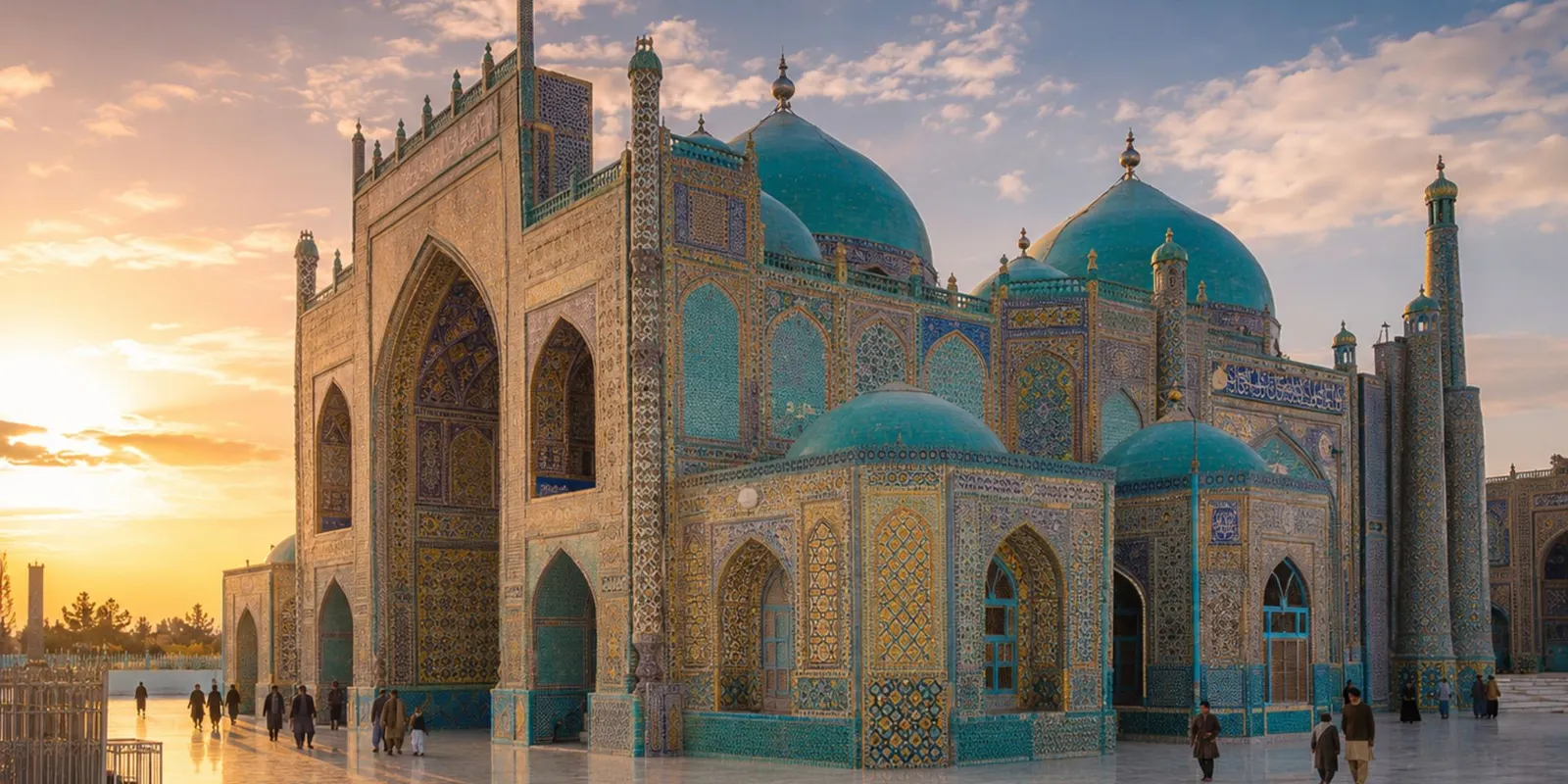
Mazar-i Sharif Today: The Blue Shrine Under Taliban Rule
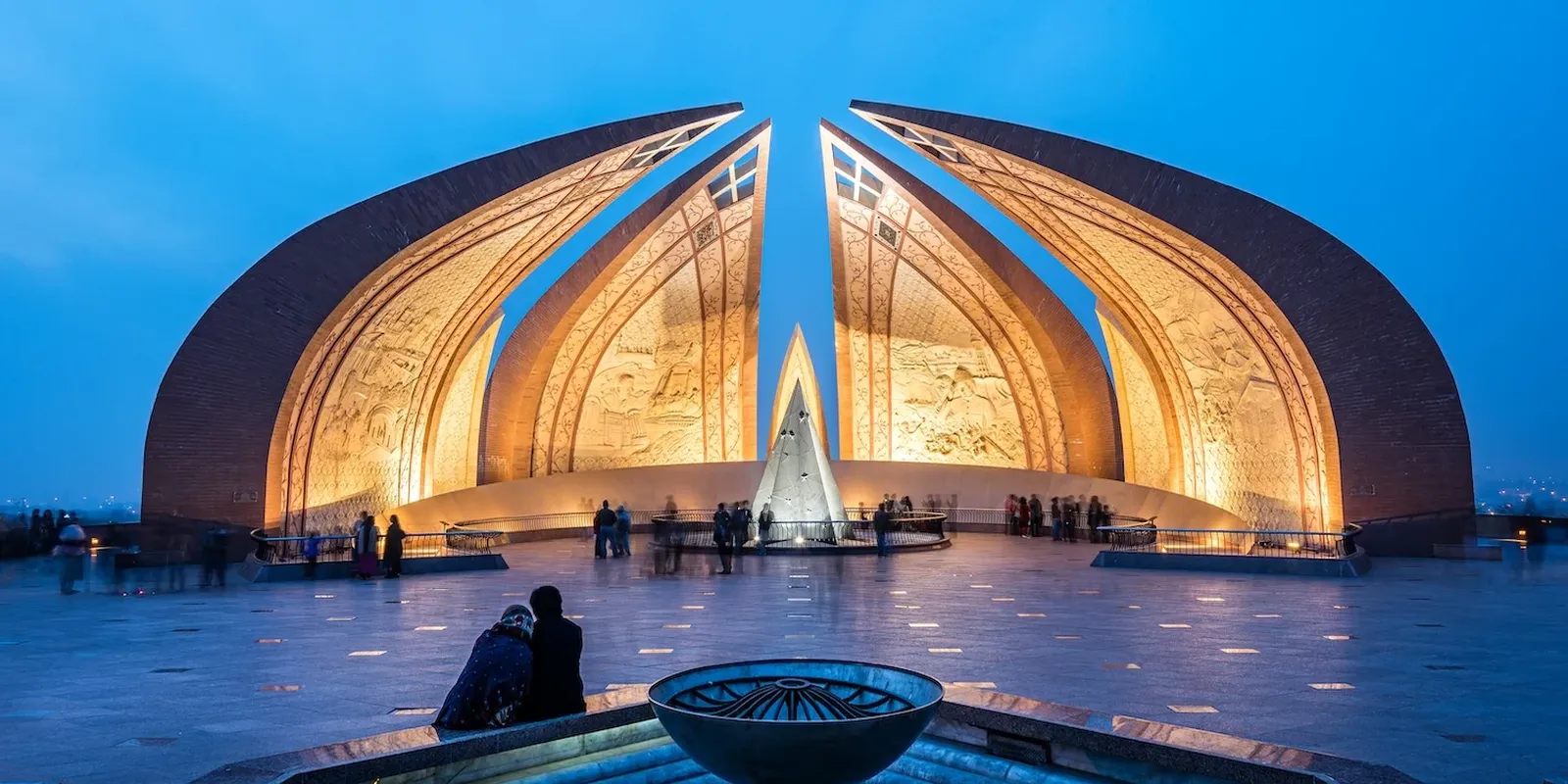
Islamabad: the mosque shaped like a tent

Lungi International Airport: where to stay, areas and recommended hotels

Brest Bretagne Airport: where to stay, areas and recommended hotels
Ryanair UK: Why There Is a Separate British Subsidiary and What Changes for Those Flying from Belfast, Edinburgh and Manchester