
Liepāja: the city where the wind is born
Nicknamed 'the city where the wind is born' for its windswept coasts, Liepāja holds a crumbling Russian imperial fortress among the most evocative in the Baltic.
The center, which local tradition says is where the wind is born, is visited comfortably on foot.
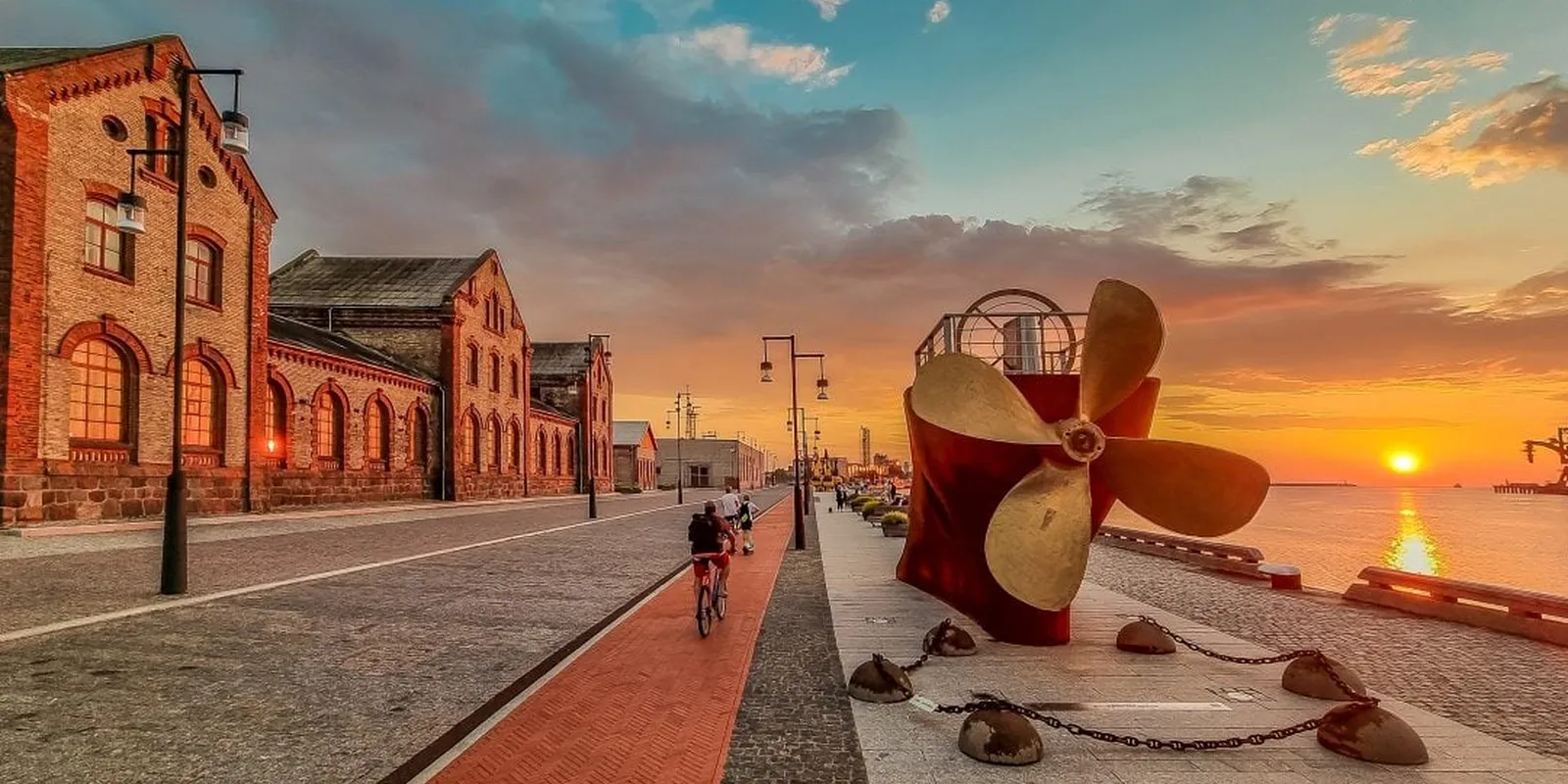
The Karosta Naval Fortress, built by Russian tsars in the late 19th century and never completed, remains a ruined military complex open to urban exploration.
Just steps away, the Holy Trinity Cathedral houses one of the world's largest organs at the time of its construction in the 19th century.
Walking along the coast, you tread on Liepāja beach, among the longest and windiest in the Baltic, popular with windsurfers.
By evening, the Karosta district, a former closed military city from the Soviet era, offers guided tours inside a former military prison that still functions as a museum.
Karosta remained a closed military city inaccessible to civilians for much of the twentieth century under Soviet rule, opening to the public only after Latvian independence in 1991.
Liepāja historically stands as one of the centers of Latvian rock music, having produced numerous musicians who defied Soviet censorship in the nineteen-eighties – a legacy still celebrated by local music festivals.
Related articles

You might also like...
Palanga: the fossil resin of the Baltic
Ventspils: the city where cows are colourful benches

Quad City International Airport: where to stay, areas and recommended hotels

Airfares: what the different classes really include
Essential checklist for a domestic flight